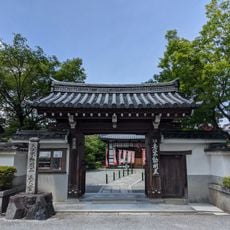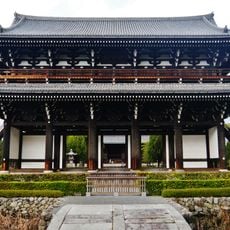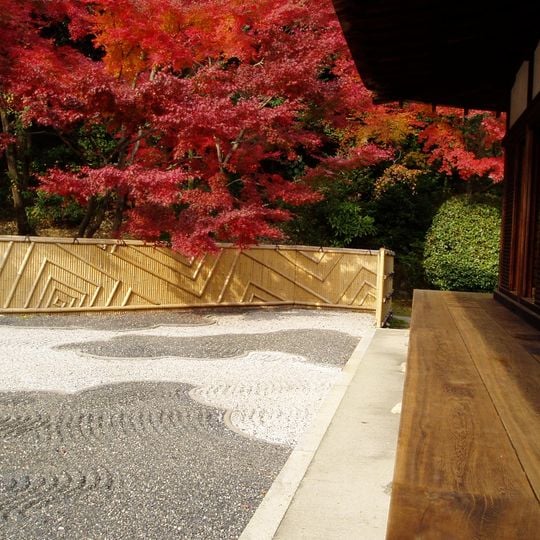
Ryōgin-an, National Treasure Buddhist sub-temple in Higashiyama-ku, Japan
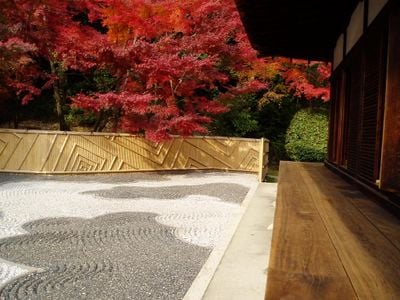
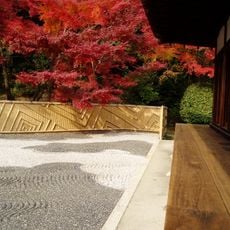
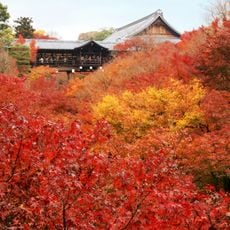
Ryōgin-an is a small temple in Kyoto that contains several interconnected Zen gardens, each with different stone patterns and carefully raked gravel. The gardens demonstrate various approaches to design, from minimal stone arrangements to larger compositions that include trees.
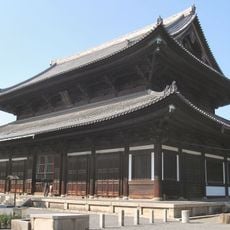
The temple was founded in 1291 and belongs to the Tōfuku-ji complex, one of Kyoto's most significant Zen temple compounds. It represents an early building style that became characteristic for such spiritual centers.
The name Ryōgin-an relates to silver elements, and visitors experience the gardens as spaces for quiet reflection where carefully placed stones and raked gravel convey simplicity and balance. The arrangement speaks to Zen principles that local people and travelers recognize as part of Japan's spiritual tradition.
The temple is difficult to reach and requires careful planning of a visit, as opening times are limited. Visitors should wear sturdy shoes and expect unpaved paths leading to the different garden areas.
The gardens were redesigned in the 1960s by a renowned landscape designer who combined traditional patterns with contemporary ideas. This blend of old and new gives the place a distinctive character not found in other historical temples.
The community of curious travelers
AroundUs brings together thousands of curated places, local tips, and hidden gems, enriched daily by 91,249 contributors worldwide.