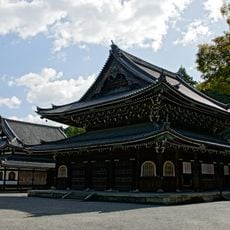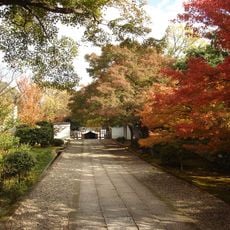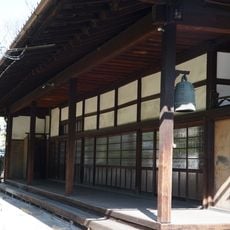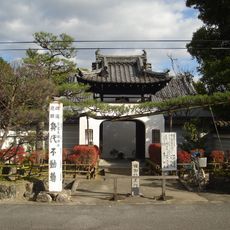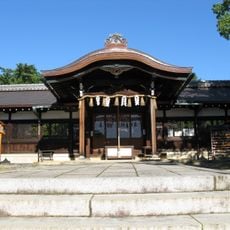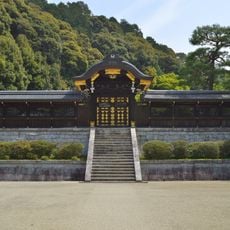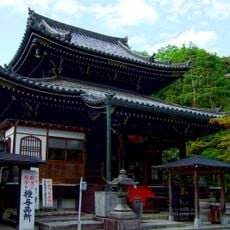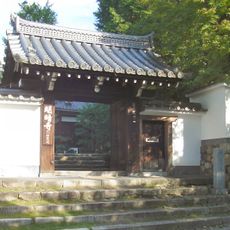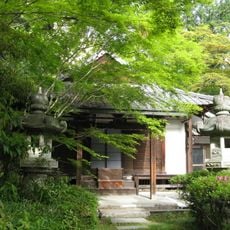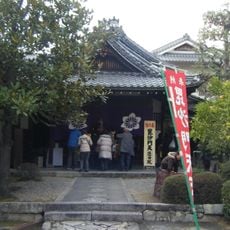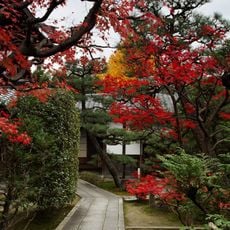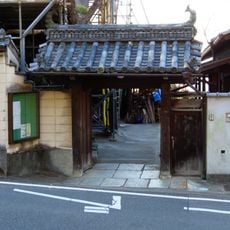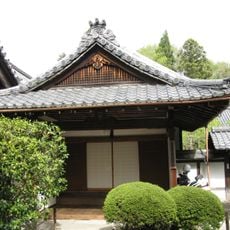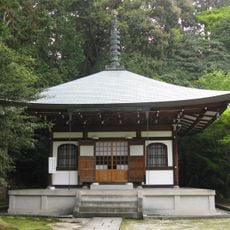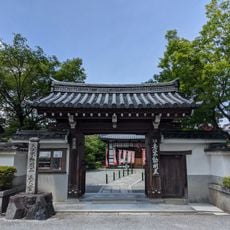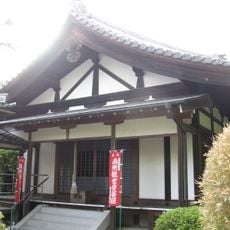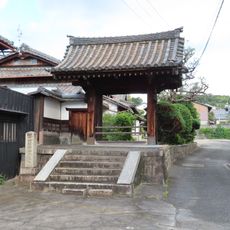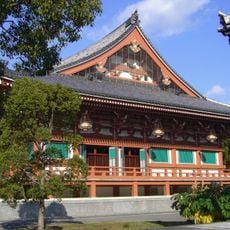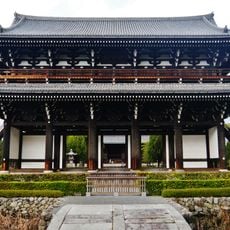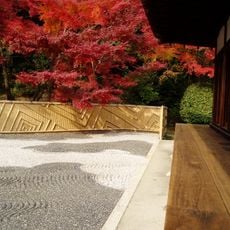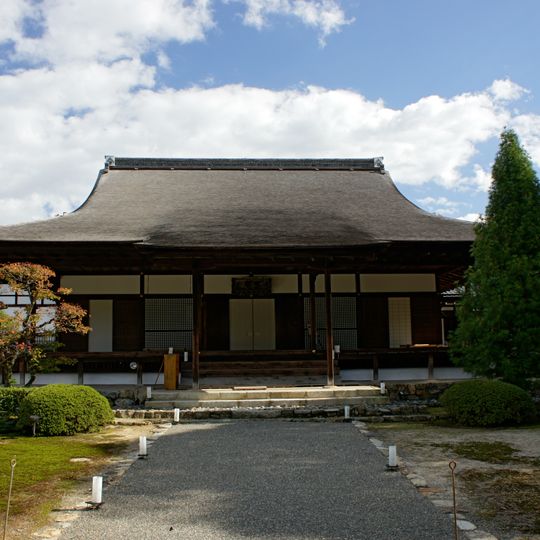
Unryū-in, Buddhist temple in Higashiyama-ku, Kyoto, Japan
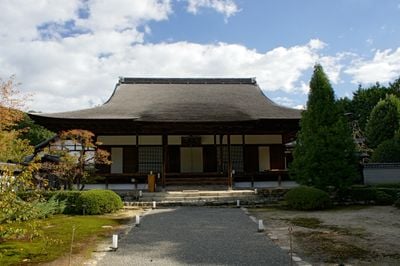
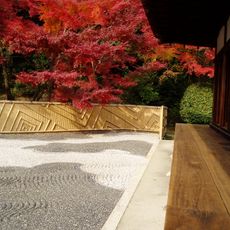
Unryū-in is a Buddhist temple in Kyoto featuring a study hall with carefully designed windows that frame the garden beyond. These openings use paper screens and glass panels to create layers of views, allowing visitors to see the landscape in different ways depending on where they stand.
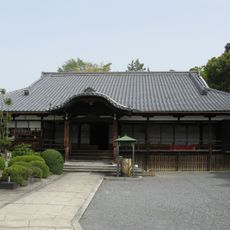
The temple was founded in 1372 by Emperor Go-Kogon as a sub-temple of the larger Sennyu-ji complex. This establishment occurred during an important period for Japanese Buddhist architecture, when new design approaches were emerging.
The temple welcomes visitors to experience sutra copying, a meditative practice that connects calligraphy with Buddhist learning. This living tradition shows how the place keeps spiritual practices alive, allowing people to engage directly in routines that have been maintained for centuries.
The temple is best explored at a leisurely pace, taking time to look through the windows and appreciate how the garden changes depending on your viewing position. Plan to spend enough time to move around and experience different perspectives from various spots within the building.
The study hall contains symbolic round and square windows inside, representing opposing concepts in Zen thought. These geometric shapes are not merely decorative but encourage visitors to pause and consider their deeper meaning as they view the garden through them.
The community of curious travelers
AroundUs brings together thousands of curated places, local tips, and hidden gems, enriched daily by 60,000 contributors worldwide.