Mount Haku, Sacred volcano in Ishikawa Prefecture, Japan
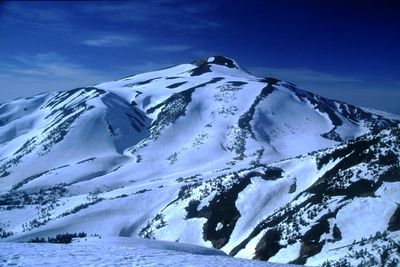
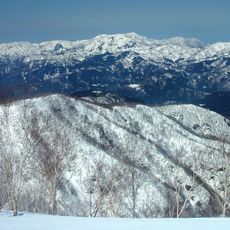
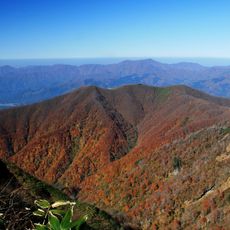
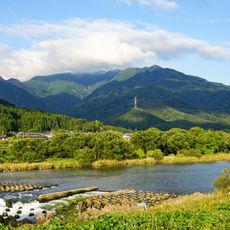
Mount Haku is a dormant stratovolcano on the border of Ishikawa and Gifu prefectures, its highest point Gozenga-mine reaching 2,702 m. The summit area comprises three peaks, Gozenga-mine, Ken-ga-mine and Ōnanji-mine, built from lava flows and volcanic ash of the newer Haku volcano formed 30,000 to 40,000 years ago. About 15 explosion craters lie near the top, some holding crater lakes such as Midoriga-ike.
A monk named Taicho reached the top in 717, becoming the first documented climber and establishing the religious importance of the peak. Over the following centuries, the site grew into a center of mountain worship, drawing ascetics and believers from across Japan.
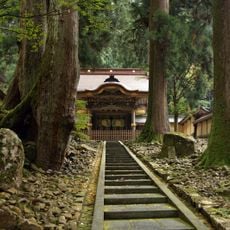
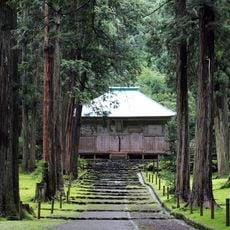
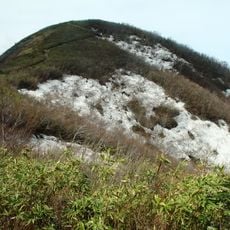
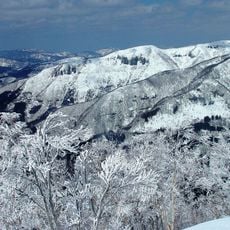
The name translates as "white mountain" and refers to the snow patches that remain on the summit for most of the year. Pilgrims and hikers still visit the shrines on the slopes, continuing a tradition of mountain worship that has shaped local life for generations.
Three main routes go up: the Kanko trail, the Sabo path, and the Hirase route, each offering different gradients and landscapes. Mountain huts are open during the climbing season for overnight stays, allowing visitors to split the ascent over two days.
The summit holds about 15 explosion craters, seven of them now small crater lakes, including Midoriga-ike, the largest. Kajiyaya Hell crater beside it is thought to have formed in the last eruption of 1659. A trail circles these pools, and the summit shrine of Shirayama Hime Shrine stands on Gozenga-mine.
The community of curious travelers
AroundUs brings together thousands of curated places, local tips, and hidden gems, enriched daily by 92,734 contributors worldwide.