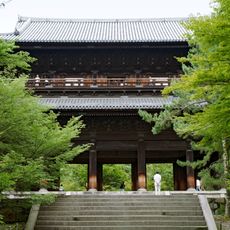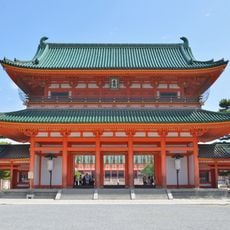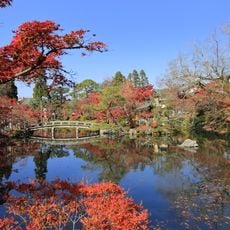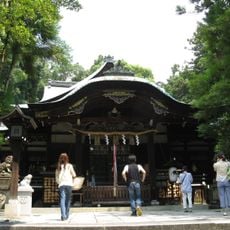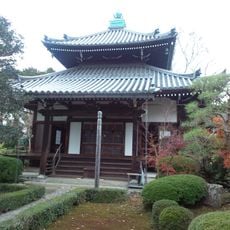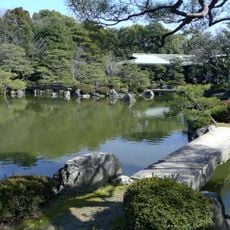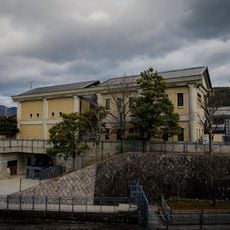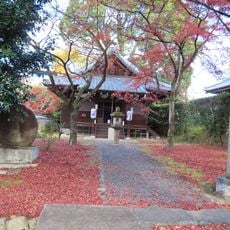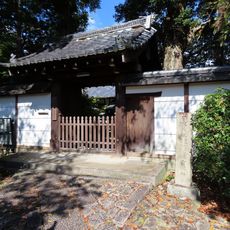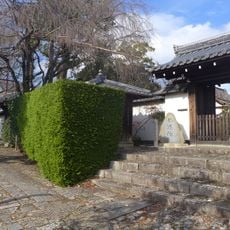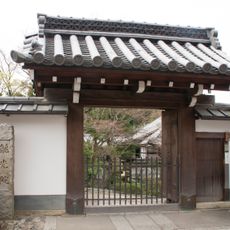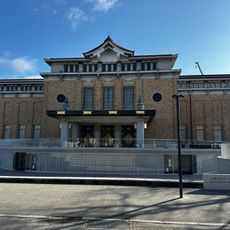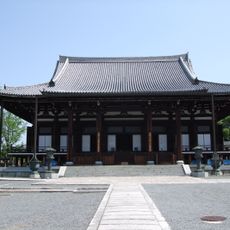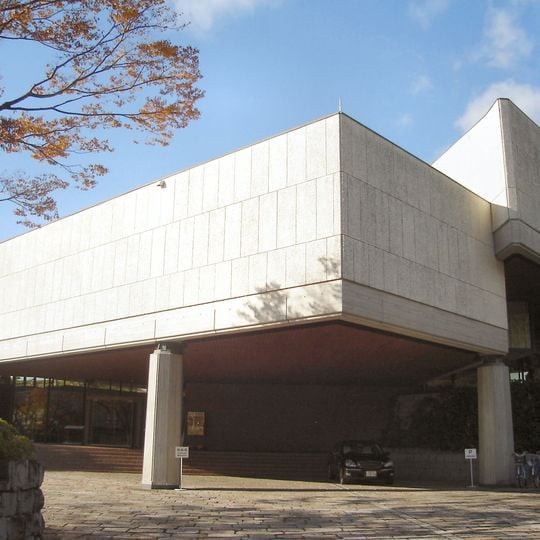
Sen-oku Hakuko Kan, Art museum in Sakyo-ku, Kyoto, Japan.
Sen-oku Hakuko Kan is an art museum in Shishigatani, Sakyō-ku, Kyoto, founded in 1960 and run by the Sumitomo collection's foundation. Its core is Chinese ancient bronze vessels from the Yin (Shang) and Zhou periods, shown with bronze mirrors, Buddhist statues and Chinese and Japanese paintings. The main building, designed by Nikken Sekkei, has 3,865 m² of floor space; a branch opened in Roppongi, Tokyo, in 2002.
The museum opened in 1960 using bronze objects the Sumitomo family had gathered over generations, many from China's Ming and Qing eras. The family, also known as Izumiya during the Edo period, continued acquiring artworks for centuries before donating the collection.
The collection gathered by the Sumitomo family spans centuries and shapes how visitors understand Asian artistic traditions. Walking through the galleries, you notice how Chinese and Japanese craftspeople influenced each other's techniques and created distinctive regional styles.
The main building stands at 24 Shimomiyanomae-cho, Shishigatani, Sakyō-ku, Kyoto. City bus line 32 stops at Miyanomae-cho right by the entrance; buses 5, 93, 203 and 204 stop at Higashi Tenno-cho, a four-minute walk east. The Tokyo branch is two minutes from Roppongi-1-chome Station exit 1.
The museum's name blends Izumiya, the trading name used by the Sumitomo family during the Edo period, with Hakuko, a reference to an ancient Chinese bronze catalog. This naming choice reflects how the family balanced business interests with scholarly pursuit of Chinese metalwork.
The community of curious travelers
AroundUs brings together thousands of curated places, local tips, and hidden gems, enriched daily by 93,165 contributors worldwide.