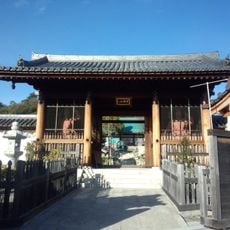
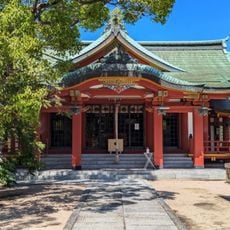
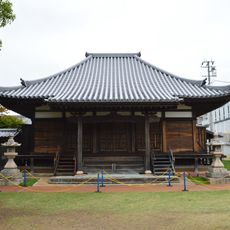
Taisan-ji, Buddhist temple in Kobe, Japan
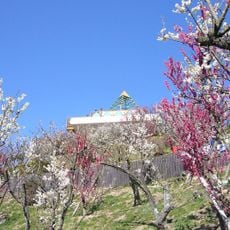
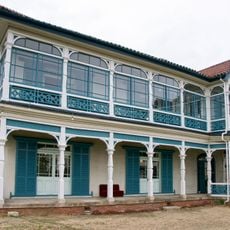
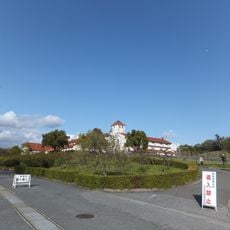
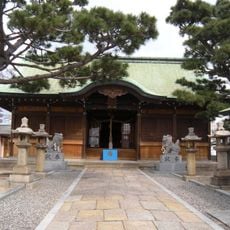
Taisan-ji is a Buddhist temple in Kobe that features a main hall with copper-covered roofs and traditional sliding lattice doors. The grounds extend across wooded slopes and include several buildings as well as an ancient forest along a river.
According to the temple's 973 origin narrative, it was founded in 716 by Fujiwara no Umakai, grandson of Kamatari, as a temple vowed by Empress Genshō. Umakai had a dream of Yakushi Nyorai while at a hot spring in Akashi, then built the seven-hall complex. The founding monk was Umakai's uncle, the Tang envoy Dōe. The original buildings burned in 1285, and the current Main Hall dates from around 1293–1300.
Taisan-ji belongs to the Tendai sect, not Zen, and its mountain name Sanshinzan precedes the temple name. The main hall holds both the principal image, a Yakushi Nyorai, and an Eleven-Faced Kannon that is the 25th station of the New Saigoku Thirty-Three Kannon pilgrimage. Annual rites include the Shushō-e from 1 to 7 January, the Tsuina ceremony on 7 January, the flower festival on 8 May and the Neri-kuyō procession on 12 May.
The temple is a 25-minute walk from Gakuen-Toshi Station on the Kobe Municipal Subway Seishin-Yamate Line, or is reached directly by Shinki Bus route 14 between Akashi Station and Myodani Station. Admission is 300 yen, free on New Year's Day, and grounds are open 8:30 to 17:00, closing at 16:30 from December to February.
The cliff-carved Fudō Myōō, about 2 metres tall and cut in high relief into the rock upstream on the Taisan-ji River (Ikawa), dates from the Kōan era (1278–1288) and is a city-designated historic site. The temple's 10.95 hectares of primeval forest are a prefectural natural monument, and the wider 55.9-hectare scenic area is listed among the Hyōgo 100 Forests.
The community of curious travelers
AroundUs brings together thousands of curated places, local tips, and hidden gems, enriched daily by 93,301 contributors worldwide.