Maikoroku-jinja, Shinto shrine in Japan
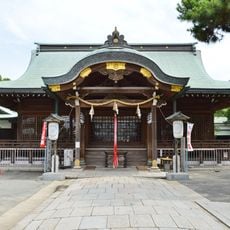
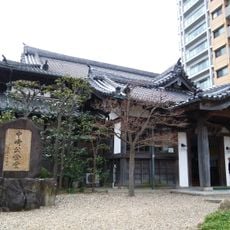
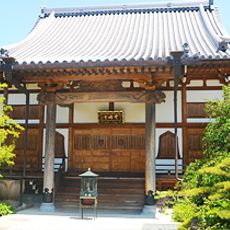
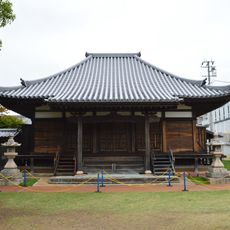
Maikoroku-jinja is a Shinto shrine in Tarumi-ku, Kobe, founded as Rokusha Daimyojin and renamed in 1874. Its copper-clad main hall was rebuilt on 31 July 1890. In the grounds, stone statues of Ebisu and Daikoku are claimed to be Japan's largest.
The shrine's founding is traced to 1689 by an inscription on a gilt-bronze offering carried in its mikoshi procession, though older records were lost. It is thought to have begun when a deity was divided from Iwaya Shrine in Akashi and six kami were enshrined as the tutelary deity of Yamada village. In the early Meiji era the name Rokusha-jinja became Roku-jinja; the present honden was rebuilt on 31 July 1890 and given a copper-sheet roof in 1906–07.
The shrine's name, Roku-jinja, refers to the six deities enshrined here: Izanagi, Izanami, Amaterasu, Susanoo, Tsukuyomi and Hiruko. The autumn festival, held on the second Sunday of October with a yoimiya eve on the Saturday, features a mikoshi procession and futon-daiko drums. The stone statues of Ebisu and Daikoku in the grounds are said to be Japan's largest.
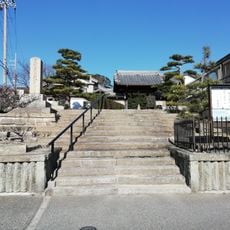
The nearest stations are Sanyo Electric Railway's Nishi-Maiko, a three-minute walk away, and JR Maiko, about seven minutes on foot. A car park is available at the shrine. The approach is on foot through the surrounding streets of Tarumi-ku.
The stone statues of Ebisu and Daikoku in the grounds are said to be the largest in Japan. The shrine's autumn rite once included a boat procession (funatogyo) across the water, a practice no longer held in recent years.
The community of curious travelers
AroundUs brings together thousands of curated places, local tips, and hidden gems, enriched daily by 93,443 contributors worldwide.