Gessho-ji, Buddhist temple in Matsue, Japan
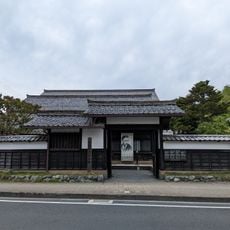
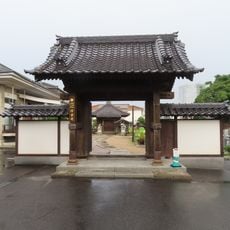
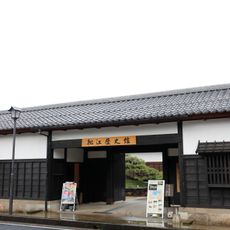
Gessho-ji is a Jōdo-shū Buddhist temple in Matsue, adjacent to Matsue First Junior High School. Its grounds hold the mausoleums of nine Matsudaira lords, with well-preserved gates; the tombs of Naomasa and Fumai have gates designated Shimane Prefecture tangible cultural properties. A treasure hall displays relics of the lords, and hydrangeas bloom in June.
The site held a Zen temple, Tōun-ji, long left derelict. In 1664 Matsudaira Naomasa, first lord of Matsue, restored it as a Jōdo-shū temple to enshrine his mother Gesshō-in's memorial tablet, renaming it Mukōsan Gesshō-ji. After Naomasa died in Edo in 1666, his son Tsunatake built his mausoleum here and changed the mountain name to Kankisan. Tombs of lords through the ninth generation followed.
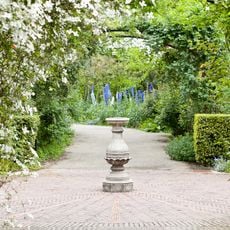
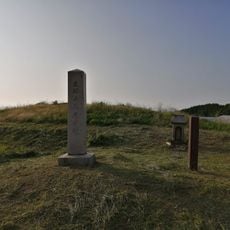
The temple is known as the Hydrangea Temple: thousands of hydrangeas bloom in June, drawing visitors. The mausoleum gate of the seventh lord Fumai is attributed to Matsue carver Kobayashi Nodai, and the tea house Ōen-an, built by Fumai, stands on the grounds. A stele commemorates Raiden Sukeemon, Fumai's wrestler.
Gessho-ji is about a 20-minute walk from Matsue Shinjiko-onsen Station on the Ichibata Electric Railway, or a short walk from the Gessho-ji-mae stop on the Gurutto Matsue Lake Line bus. The temple is adjacent to Matsue Municipal First Junior High School. The grounds are flat and easy to walk.
A large stone turtle statue sits on the grounds, linked to a local story about the turtle walking at night until a fallen pillar kept it in place. This folk tale adds a layer of mystery to an otherwise quiet corner of the site.
The community of curious travelers
AroundUs brings together thousands of curated places, local tips, and hidden gems, enriched daily by 93,340 contributors worldwide.