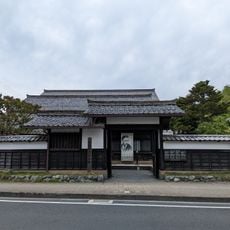
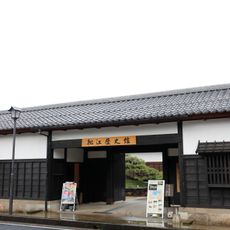
Kōunkaku, House museum near Matsue Castle, Japan.
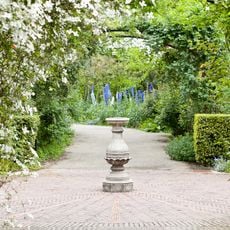
Kōunkaku is a Giyōfū-style house museum near Matsue Castle that blends Western-influenced windows with traditional Japanese wooden architecture and interior elements. Landscaped gardens surround the building and form an integral part of its overall design.
Matsue city built Kōunkaku in 1903 as a lodging for Emperor Meiji's visit, under the pretext of a craft exhibition hall; the cost was 13,489 yen. The visit never happened because the Russo-Japanese War broke out, but in May 1907 Crown Prince Yoshihito (later Emperor Taishō) stayed here. The building is considered the last example of Giyōfū architecture.
The building was erected under the name Matsue Craft Exhibition Hall, a cover name for the imperial lodging, and after 1973 it housed the Matsue Local History Museum, displaying historical and folk materials and crafts from Matsue. Its name, Kōunkaku, is written with characters meaning rising clouds.
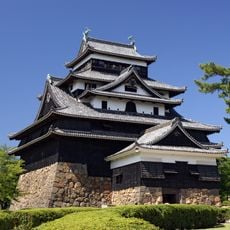
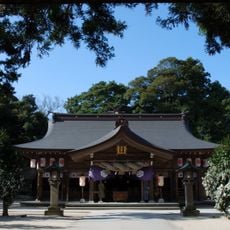
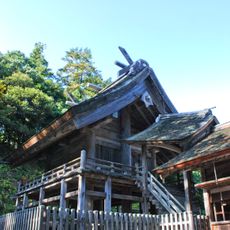
Kōunkaku stands on the upper terrace of the castle's second enclosure, next to Matsue Shrine, about five minutes on foot from the Lake Line bus stop Matsue Castle (Otemae) or from Kenchō-mae. It opens 8:30–18:30 from April to September and 8:30–17:00 from October to March, with no closing days and free admission.
The building was erected in 1903 as a lodging for Emperor Meiji, but the Russo-Japanese War broke out and his visit never took place. In May 1907 Crown Prince Yoshihito, later Emperor Taishō, stayed here instead. The construction contract went to Risaburō Izumi; the designer is unknown.
The community of curious travelers
AroundUs brings together thousands of curated places, local tips, and hidden gems, enriched daily by 94,239 contributors worldwide.