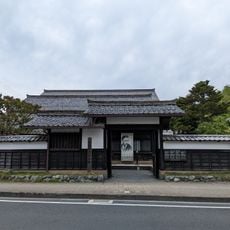
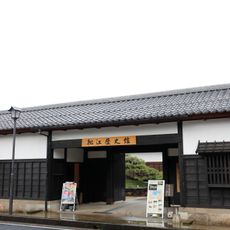
Hokki-jinja, Shinto shrine in Japan
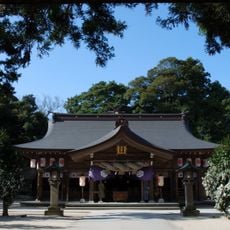
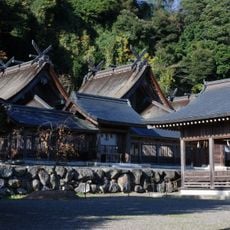
Hokki-jinja is a Shinto shrine in the Hokki-chō district of Matsue, Shimane Prefecture. Its main deity is Umukahihime-no-Mikoto, identified with the clam-shell goddess Umugi-hime of the Ōkuninushi myth. The shrine also enshrines Amenokoyane-no-Mikoto and Ametotakushi-no-Mikoto, and a combined hall, Tsutsumi-jinja, houses Omoikane-no-Mikoto.
Hokki-jinja appears in the Izumo no Kuni Fudoki, which records that the deity Umukahihime flew to this district as a hohokidori (bush warbler), giving the place its name. The shrine is identified with the Engishiki register entry for Shimane district. A 1648 ridge tag names it Omori Daimyojin, the 1717 gazetteer Yōyōshi calls it Omori Myōjin, and in March 1872 it was ranked as a gōsha. Its former site lies behind the Uguisudai housing estate, beside a square burial mound known as the tomb of Umukahihime.
The name Hokki comes from a legend in the Izumo no Kuni Fudoki: the goddess Umukahihime turned into a hohokidori (bush warbler) and flew to this district, which was then called Hokki. She is identified with Umugihime of the Okuninushi myth. The shrine also enshrines Amenokoyane, Ametotakara and Omoikane, the last in the Tsutsumi Shrine hall.
The shrine is easy to reach on foot from central Matsue and is close to other attractions, so you can visit multiple sites in one day. There is typically no entrance fee, and the area is open most days, allowing you to walk at a relaxed pace and enjoy the surroundings.
The shrine's name comes from the uguisu (bush warbler): the Izumo Fudoki records that the deity Umukahihime transformed into a hohoki-dori, a warbler, and flew to this district, which was then called Hokki after the bird. The former shrine site lies behind the Uguisu-dai housing estate northeast of the present grounds, beside a square burial mound known as the traditional tomb of Umukahihime.
The community of curious travelers
AroundUs brings together thousands of curated places, local tips, and hidden gems, enriched daily by 94,549 contributors worldwide.