Kan'ei-ji, Buddhist temple in Ueno-Sakuragi, Tokyo, Japan
Kan'ei-ji is a Buddhist temple in Ueno-Sakuragi, a neighborhood in the Taitō ward of Tokyo. The compound includes several prayer halls and smaller sub-temples scattered across a forested site.
The monk Tenkai founded the site in 1625 under the patronage of shogun Tokugawa Iemitsu. The original compound was considerably larger and served as the family temple until the shogunate fell.
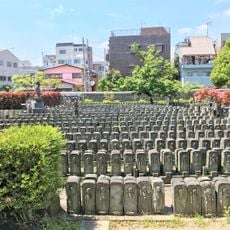
The name combines the era name Kan'ei with ji, "temple", and the mountain name Tōeizan, "Mount Hiei of the East", mirrors Enryaku-ji in Kyoto. From 1654 until the shogunate's end, chief abbots were imperial princes titled Rinnōjinomiya, who also governed the Tendai temples of Tōeizan, Nikkō and Hiei. The temple's cemetery holds the graves of six Tokugawa shoguns, among them Ietsuna, Tsunayoshi and Yoshimune.
The site is located about seven minutes on foot from Uguisudani Station on the JR Yamanote Line. Access is possible daily, and most areas do not require admission.
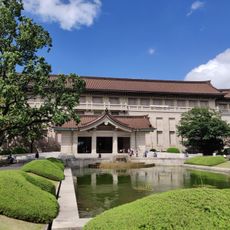
The main hall is not original: it was moved here in 1879 from Kita-in in Kawagoe, where Tenkai had lived. The temple's cemetery behind the Tokyo National Museum holds the graves of six Tokugawa shoguns, including Ietsuna and Tsunayoshi, whose mausoleum gates and stone pagodas survive as Important Cultural Properties.
The community of curious travelers
AroundUs brings together thousands of curated places, local tips, and hidden gems, enriched daily by 93,010 contributors worldwide.