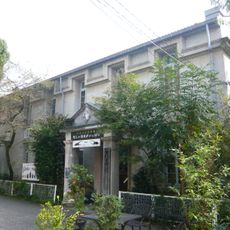
Jōzai-ji, Buddhist temple in Gifu, Japan
Jōzai-ji is a Nichiren-sect Buddhist temple in Gifu, formally named Shūrinzan Jōzai-ji. It houses two Important Cultural Properties: silk portraits of Saitō Dōsan and his son Saitō Yoshitatsu. The temple belongs to the Kyoto Myōkaku-ji lineage and is the family temple of the Saitō family.
Saitō Myōchin, son of Saitō Sōen and guardian of upper Mino Province for the Toki clan, founded the temple in 1450, inviting the monk Nisshan from Myōkaku-ji in Kyoto. In the Sengoku period, Nagai Shinzaemon used the temple area as a base to unify the region, and his son Saitō Dōsan made Jōzai-ji the Saitō family temple, a role it held for three generations.
The temple serves as a gathering place where memorial services connect visitors to the local history and personalities who shaped the region. These gatherings reveal how the site remains woven into the community's spiritual life today.
The temple is accessible by bus from nearby train stations with a short walk to the entrance. Sturdy walking shoes are recommended, and visitors should dress respectfully when entering the grounds.
The temple houses original silk artworks that are rarely displayed outside the treasury vault and become accessible to visitors only during specific occasions. This scarcity makes each visit a potential chance to encounter important artistic pieces.
The community of curious travelers
AroundUs brings together thousands of curated places, local tips, and hidden gems, enriched daily by 93,249 contributors worldwide.