Katon-Karagay National Park, National park in East Kazakhstan Region, Kazakhstan
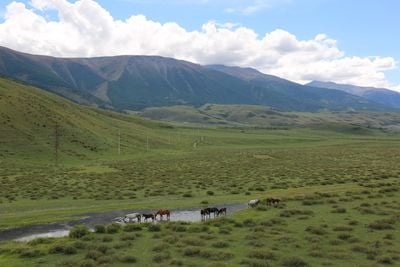
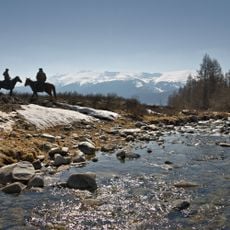
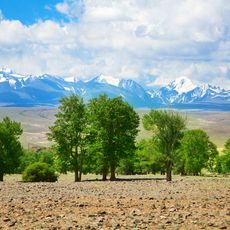
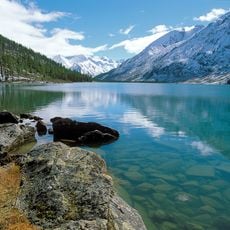
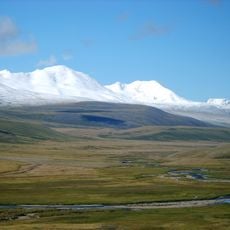
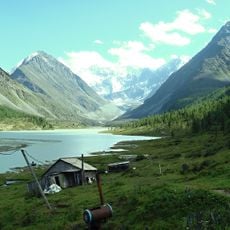
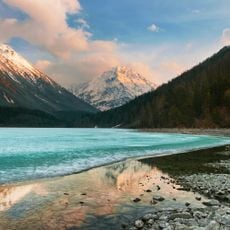
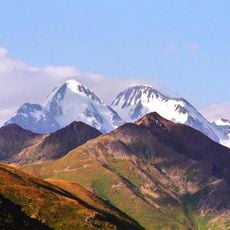
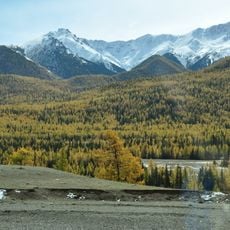
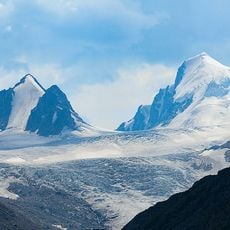
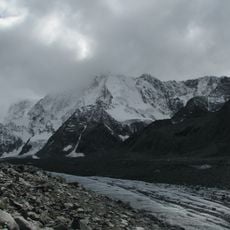
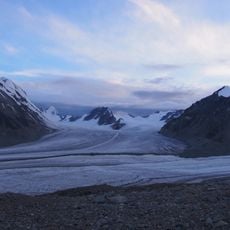
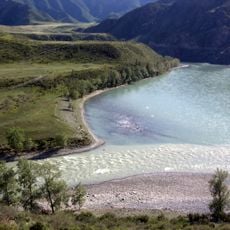
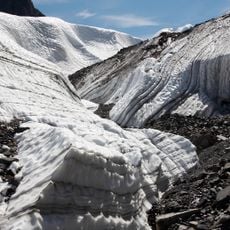
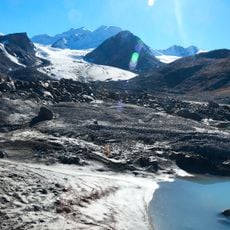
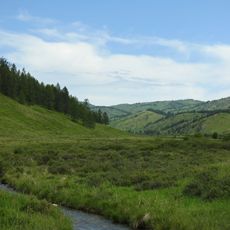
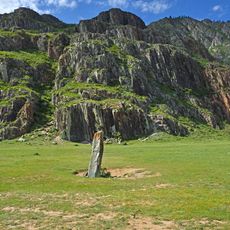
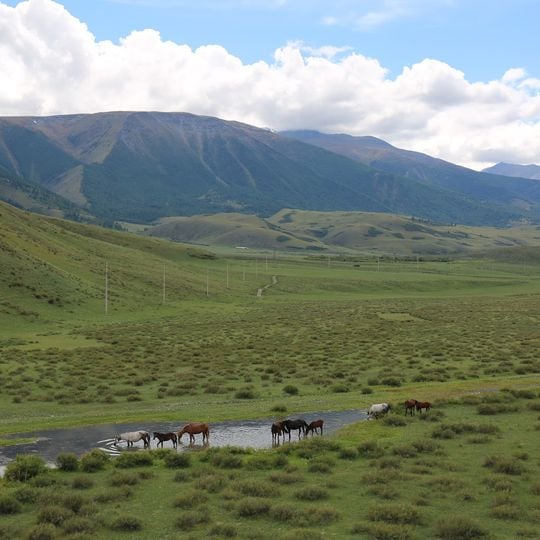
Katon-Karagay National Park is a protected area spanning roughly 643,000 hectares across the Altai Mountains, featuring mountain ranges, dense forests, alpine lakes, and glaciers. The park sits at the meeting point where Kazakhstan, Russia, China, and Mongolia converge, creating a landscape shaped by these regional borders.
The park was created by Kazakh government decree No. 970 on 17 July 2001 and covers 643,477 hectares, the largest national park in Kazakhstan. In 2014 it joined the UNESCO protected heritage list, and since 2017 it has formed part of the transboundary Great Altai biosphere reserve together with Russia's Katun biosphere reserve.
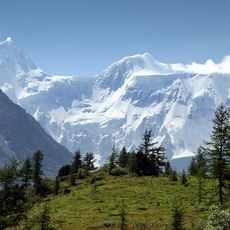
Mount Belukha holds sacred meaning for Siberian shamans and Tibetan Buddhists who journey here as part of their spiritual practices. The mountain's role in these traditions shapes how visitors understand the landscape today.
The park is best reached through Oskemen city, which has flights from major Kazakh cities and serves as the main hub for getting to the area. From there, visitors should prepare for mountain trails and changing weather conditions.
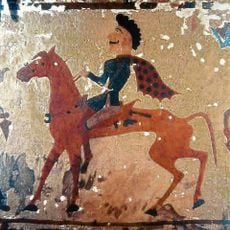
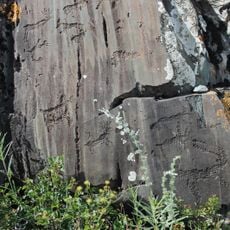
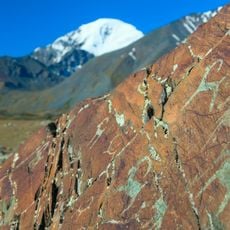
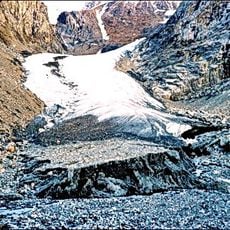
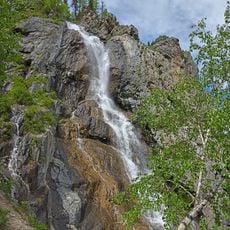
The Kokkol waterfall drops about 80 metres, and more than 30 glaciers lie near the Ak-Berel spring on the Katun Range. The park also holds the Tarkhan geological section, the Rahman spring and the Berel Saka burial mounds, a site of the northern golden branch of the Silk Road.
The community of curious travelers
AroundUs brings together thousands of curated places, local tips, and hidden gems, enriched daily by 93,562 contributors worldwide.