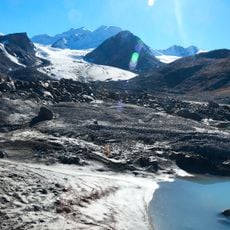
Pazyryk burials, Iron Age tombs in Altai Mountains, Russia
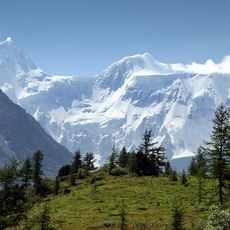
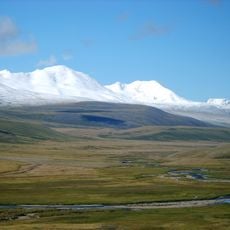
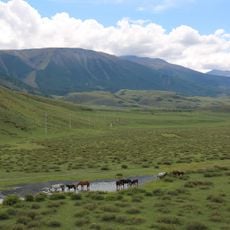
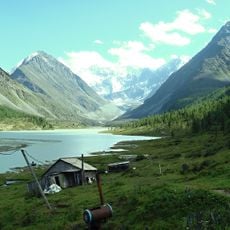
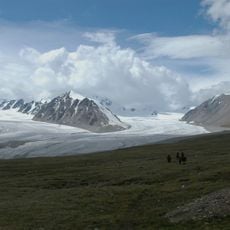
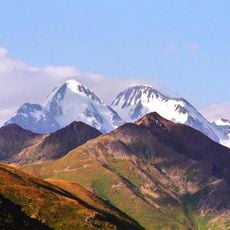
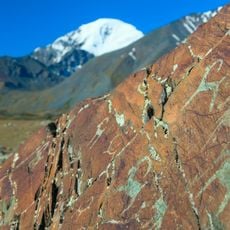
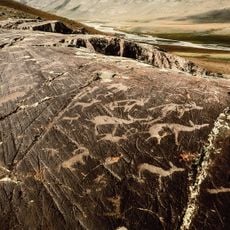
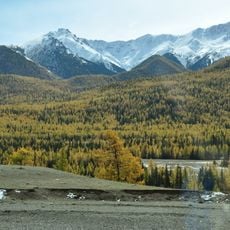
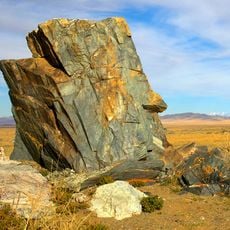
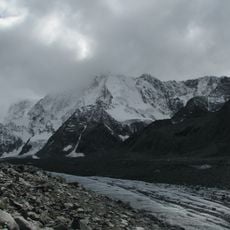
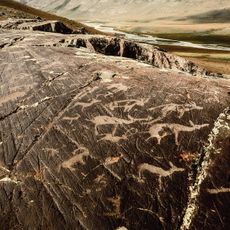
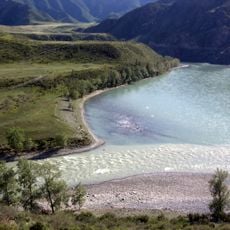
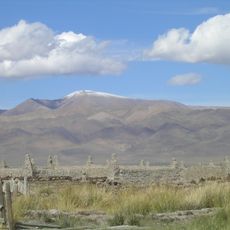
The Pazyryk burials are Scythian-type kurgans: barrow-like tomb mounds of the 4th–3rd centuries BCE, built of wooden chambers covered by large cairns of boulders and stones. They lie in the Pazyryk Valley and on the Ukok plateau in the Altai Mountains, close to the borders with China, Kazakhstan and Mongolia. The site gives its name to the wider Pazyryk culture and is part of the Golden Mountains of Altai UNESCO World Heritage Site.
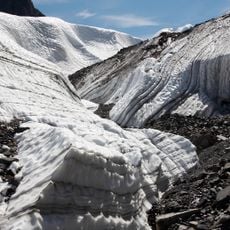
The kurgans date to the 4th–3rd centuries BCE and belong to the Pazyryk culture of horse-riding pastoral nomads. Barrow 1 was excavated by M. P. Griaznov in 1929, and barrows 2–5 by Sergei Ivanovich Rudenko in 1947–1949. Water that seeped into the tombs in antiquity froze, encasing the burial goods in ice that stayed frozen in the permafrost until excavation.
The Pazyryk finds include the world's oldest known pile carpet, measuring 200 by 189 cm with 36,000 knots per 10 cm², now in the Hermitage Museum. Chinese silk, felt hangings, and horse trappings show trade links reaching Persia, India, and China. The tattooed chief of barrow 2 bears animal-style designs on his arms and body.
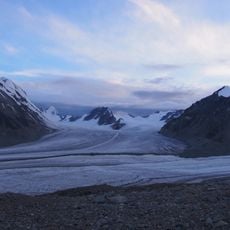
The tombs lie in the Pazyryk Valley and on the Ukok plateau in the Altai Mountains, near the borders with China, Kazakhstan and Mongolia. The chambers themselves are not open to visitors; the finds, including the frozen burial goods, are held at the Hermitage Museum in Saint Petersburg. Access to the high valleys is easiest in summer.
The mummified remains display detailed tattoos showing mythological creatures and geometric designs across their skin, offering a rare glimpse into body decoration practices of this ancient culture. Such well-preserved skin markings are uncommon in archaeological finds.
The community of curious travelers
AroundUs brings together thousands of curated places, local tips, and hidden gems, enriched daily by 94,076 contributors worldwide.