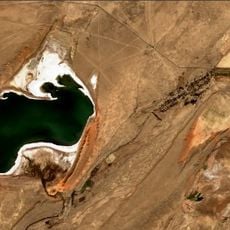
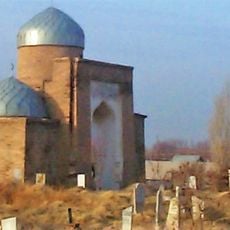
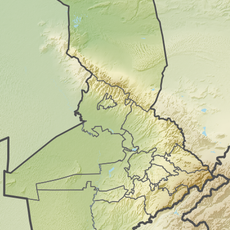
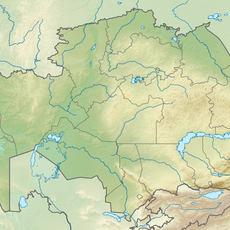
Azret-Sultan, Historical museum complex in Turkistan, Kazakhstan
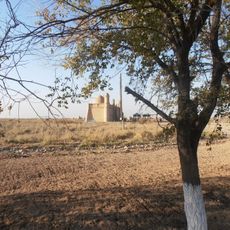
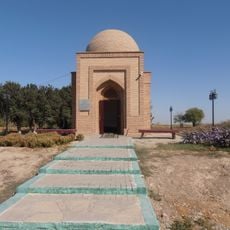
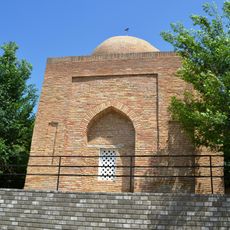
Azret Sultan is a national historical and cultural museum-reserve in Turkistan, covering 88.7 hectares. Its central monument is the mausoleum of Khoja Ahmed Yasawi, built at the end of the 14th century by order of Emir Timur. The reserve also holds the Kultobe settlement, the Big Khilvet underground mosque, the Chillakhana ritual building, the eastern bathhouse and the mausoleums of Rabiga Sultan Begim, Esim Khan and Tauke Khan.
The site began as a pilgrimage destination for religious followers, then became a museum in the late 20th century and was later expanded into a larger historical-cultural reserve. This transformation allowed the region's archaeological treasures to be systematically preserved and displayed.
The site is named after Ahmed Yasawi, a revered spiritual figure whose influence shaped the region for centuries, and visitors today come to understand this religious importance. You can see how pilgrims and tourists move through the mausoleums together, treating the spaces with reverence.
The grounds are large and best explored on foot, so allow time to see all areas comfortably. The best season to visit is between April and October, when the weather is mild and the paths are easy to walk.
The reserve holds more than 25,000 items, among them manuscripts, archaeological finds, ethnographic objects and coins, kept in specially equipped storage. Its staff have identified 231 of the roughly 300 historical figures buried around the Yasawi mausoleum, including the khans Esim, Tauke and Ablai and the biy Kazybek.
The community of curious travelers
AroundUs brings together thousands of curated places, local tips, and hidden gems, enriched daily by 94,251 contributors worldwide.