Figuig, city in Morocco
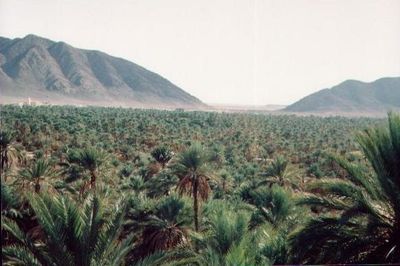
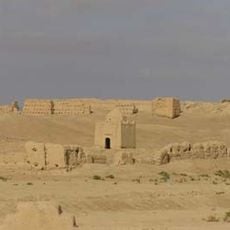
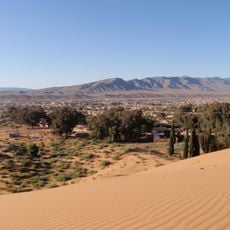
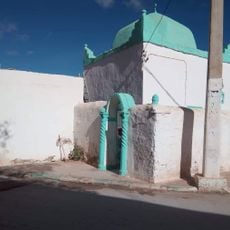
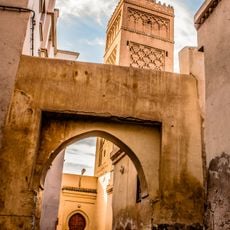
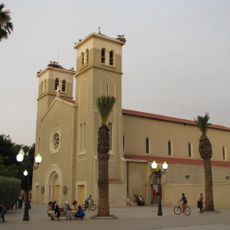
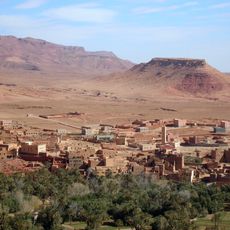
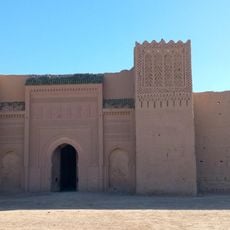
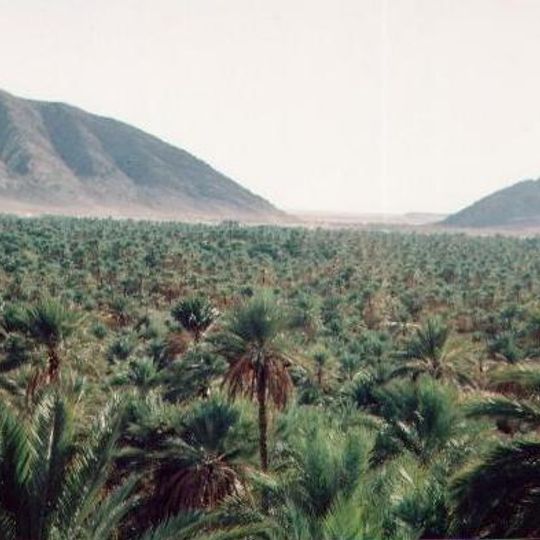
Figuig is an oasis city on the Moroccan-Algerian border, in Figuig Province, surrounded by one of the largest date palm groves in Morocco. It is made up of several old fortified neighborhoods, known locally as ksour, linked by narrow lanes and small squares built almost entirely in earthen brick.
Figuig was established by Berber communities and grew into a stopping point on trans-Saharan caravan routes that connected sub-Saharan Africa to the Mediterranean. When the border between Morocco and Algeria hardened during the 20th century, the city lost its role as a crossing point and became increasingly cut off from its surrounding region.
The name Figuig comes from the Arabic word for fig, though date palms now define the look of the place far more than fig trees do. Walking through the old neighborhoods, you pass under rows of palms that shade narrow earthen lanes and keep the air noticeably cooler than the surrounding desert.
The cooler months from October to March make it much easier to walk through the ksour and explore the palm groves on foot. Because the city is remote and road connections are limited, it is worth planning your trip carefully and checking current border conditions before you go.
The seven ksour of Figuig were never united under a single authority and each managed its own water supply through a traditional irrigation system called seguia for centuries. Channels from this system still run through the palm groves today and are one of the more overlooked features of the site, despite being on Morocco's tentative list for World Heritage status.
The community of curious travelers
AroundUs brings together thousands of curated places, local tips, and hidden gems, enriched daily by 90,882 contributors worldwide.