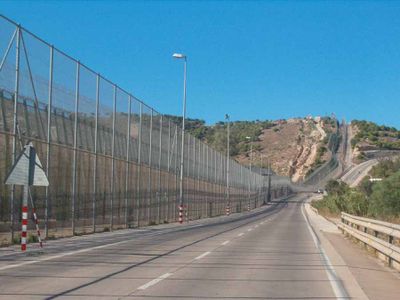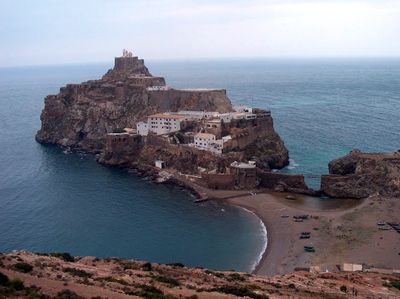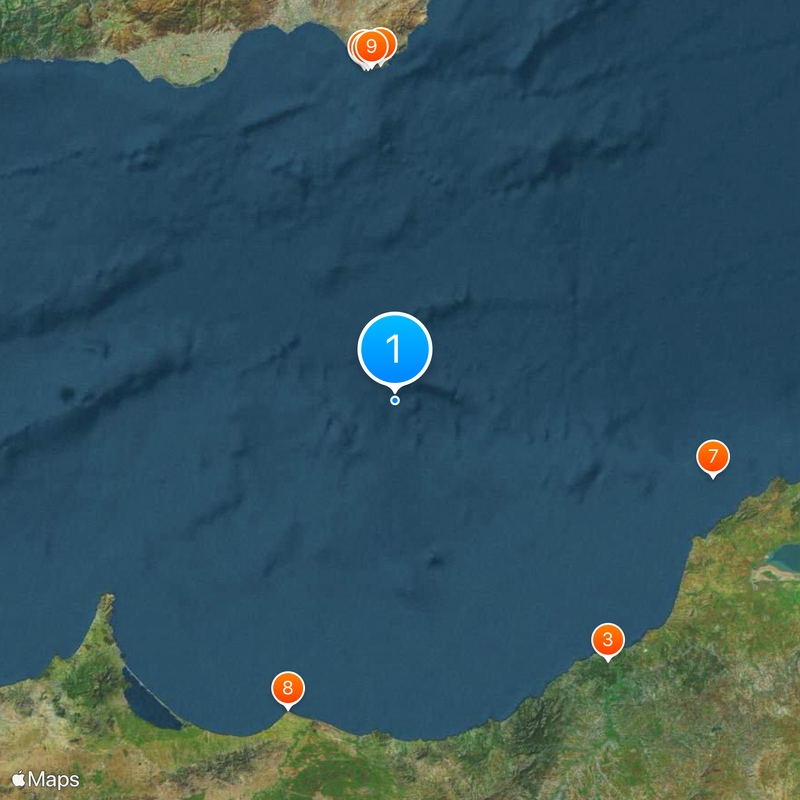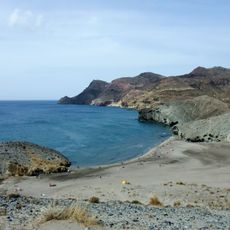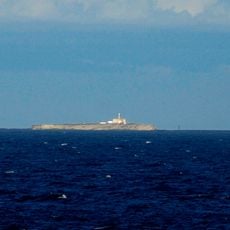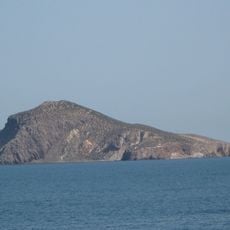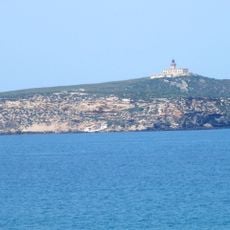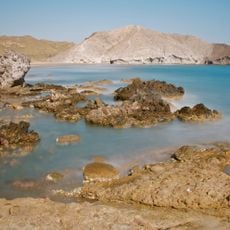
Morocco–Spain border, International border between Morocco and Spain in North Africa
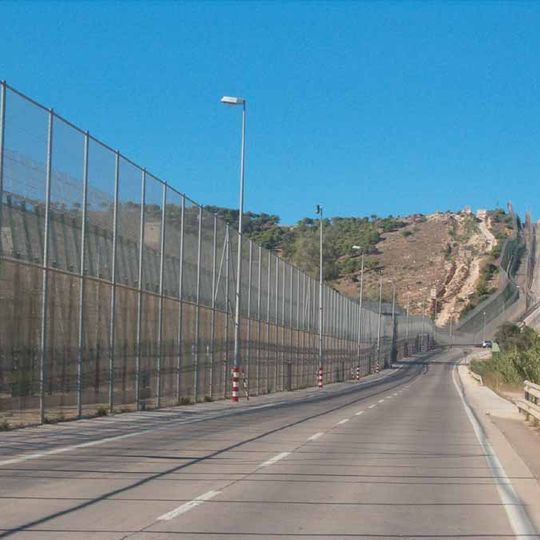
The Morocco–Spain border is an international boundary line in North Africa separating the two countries across multiple separate sections. These include the cities of Ceuta and Melilla, along with several smaller Spanish enclaves, all connected through monitored crossing points.
Spain acquired these territories during different periods, with Melilla taken from the Sultanate of Fez in 1497 and Ceuta transferred from Portugal in 1668. This lengthy history shaped the settlement of these areas and left them as legacies of different powers in the region.
The border marks where European and African territories meet, with Spanish and Moroccan languages, currencies, and administrative systems visible side by side. Visitors notice this intersection in the architecture, street signs, and daily habits of people living near these dividing lines.
Border crossings operate through designated checkpoints in Ceuta and Melilla, requiring valid travel documents for passage between the two countries. Visitors should know that this is a real international boundary with full security procedures, not merely a symbolic line.
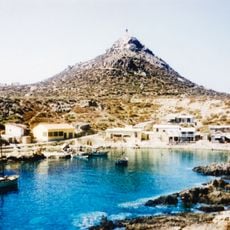
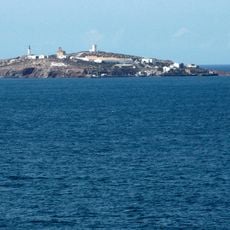
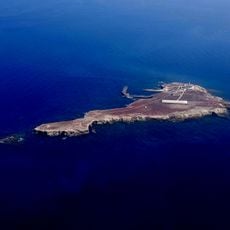
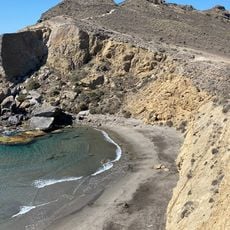
A natural phenomenon in 1934 connected Peñón de Vélez de la Gomera to the mainland when a storm created a sand strip, transforming the island into a peninsula. This rare geographical event made the location an unusual example of how nature can reshape territorial features.
The community of curious travelers
AroundUs brings together thousands of curated places, local tips, and hidden gems, enriched daily by 92,652 contributors worldwide.