Taungoo dynasty, Historical dynasty in central Myanmar.
The Taungoo dynasty was a realm that extended from central Myanmar into parts of Thailand and lasted from 1486 until 1752. Its rulers governed from multiple capital cities, controlling the Irrawaddy valley and surrounding territories with appointed officials rather than hereditary leaders.
The realm began in 1486 and achieved its greatest expansion under King Tabinshwehti, who ruled from 1531 to 1550 and conquered new territories. The realm gradually declined afterward and came to an end in 1752 after conflicts with neighboring powers.
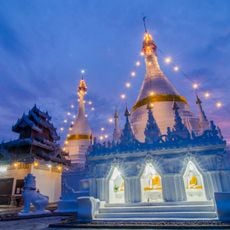
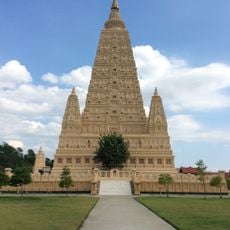
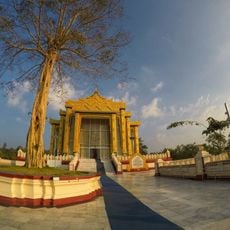
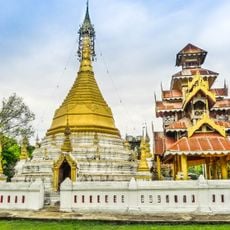
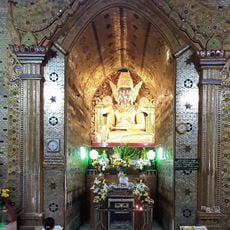
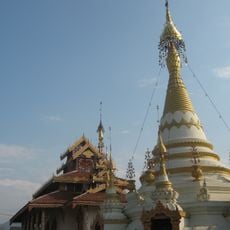
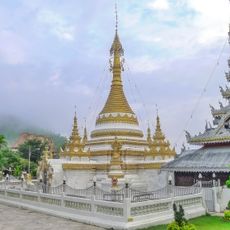
The state promoted Theravada Buddhism throughout its territories, shaping religious practices and architecture across the realm. Temples and monasteries became central to community life in these areas and remain visible today.
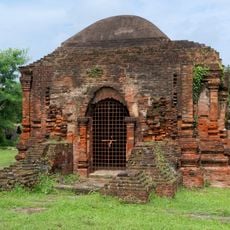
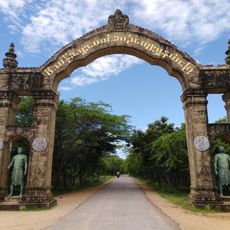
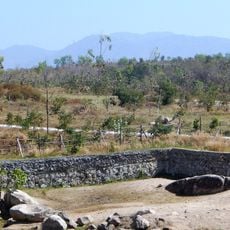
This realm is known through historical records and archaeological remains scattered across different regions, as the former capitals were located in various places. Visitors can explore temples and ruins in the Irrawaddy valley area to understand the extent and organization of the former realm.
The realm was known for governing diverse ethnic groups under centralized administration while tolerating different local languages and customs. This balance between central control and local autonomy was an unusual approach to ruling a large territory for that era.
The community of curious travelers
AroundUs brings together thousands of curated places, local tips, and hidden gems, enriched daily by 91,516 contributors worldwide.