Woudenberg, human settlement in the Netherlands
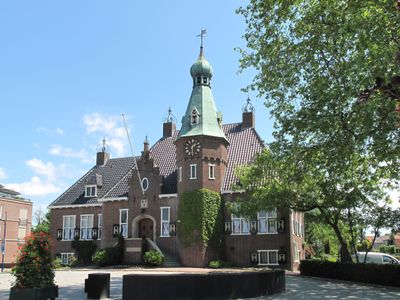
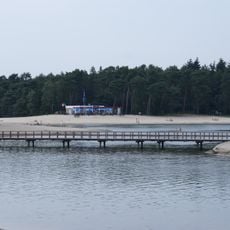
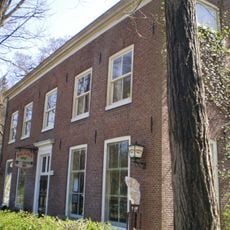
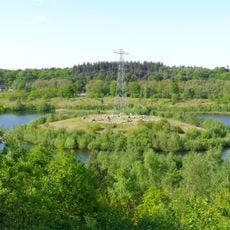
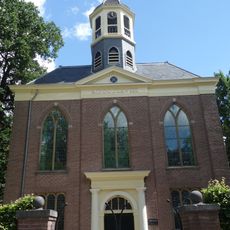
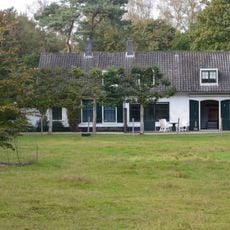
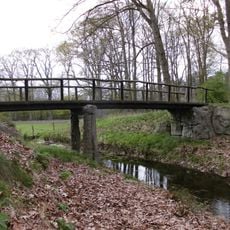
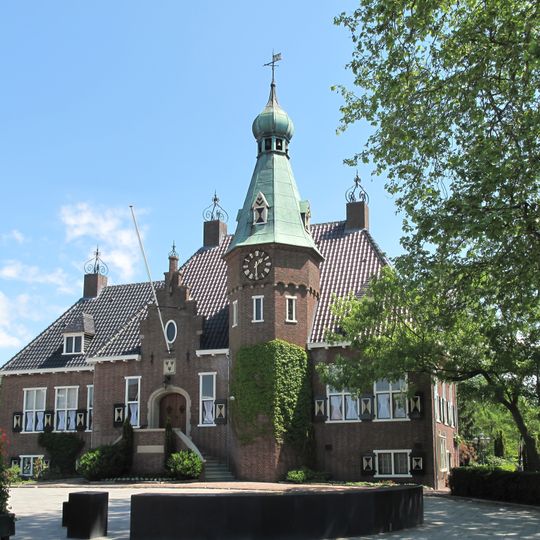
Woudenberg is a small town in Utrecht province in the Netherlands, situated on the Utrechtse Heuvelrug, a hilly landscape filled with forests and open fields. The town mixes old houses with modern buildings, while the surroundings feature unpaved paths, fields, and forest areas that extend outward.
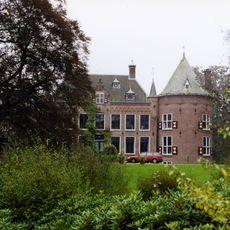
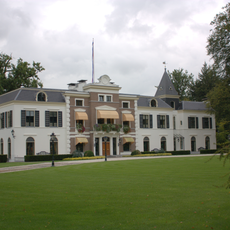
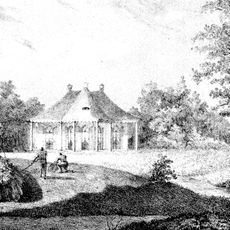
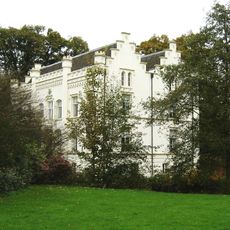
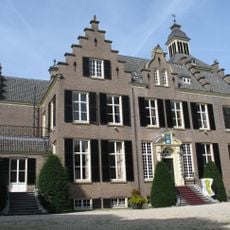
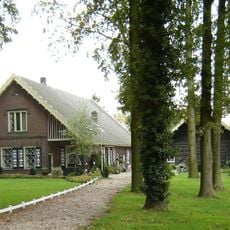
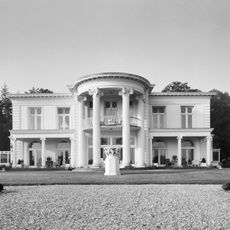
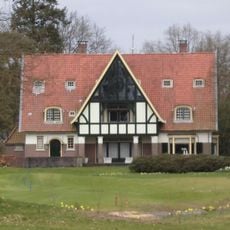
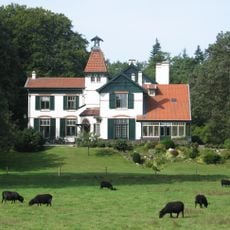
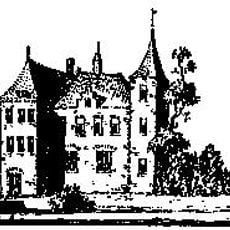
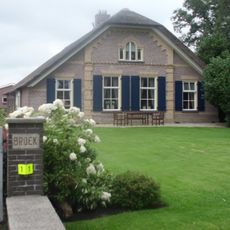
Woudenberg was once a small farming village where residents grew tobacco and raised livestock, activities that shaped daily life for centuries. Over time, rural estates and castles were built around the town, several of which still stand and speak to the area's past prosperity.
Woudenberg takes its name from the forested hills that define the area, with 'wald' meaning forest and 'berg' meaning hill in Dutch. Daily life here centers on outdoor pursuits, with residents and visitors regularly cycling and walking through the countryside on weekends and weekdays alike.
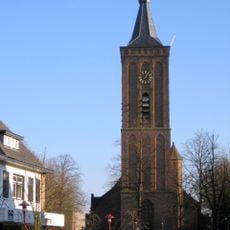
The town center has narrow, tree-lined streets and a main square with cafes where visitors can relax. The location works well for hiking and cycling, as marked routes depart from here leading through forests, fields, and past rural estates.
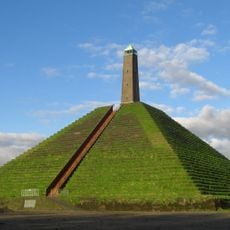
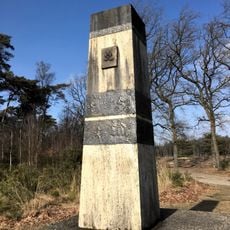
The Utrechtse Heuvelrug, where Woudenberg sits, is a rare geological ridge in a flat country and offers a completely different landscape from the rest of the Netherlands. This elevation made the area ideal for placing estates and later enabled the construction of the Pyramid of Austerlitz, a distinctive monument visible from far away.
The community of curious travelers
AroundUs brings together thousands of curated places, local tips, and hidden gems, enriched daily by 90,804 contributors worldwide.