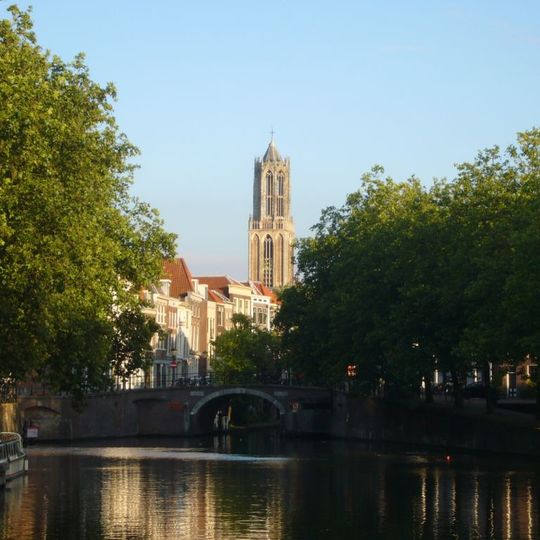
Utrecht, Administrative province in central Netherlands
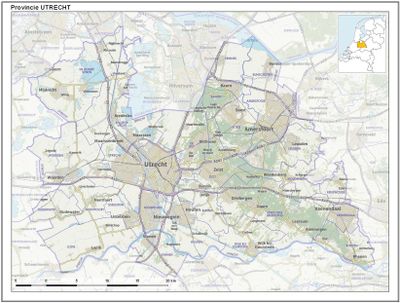
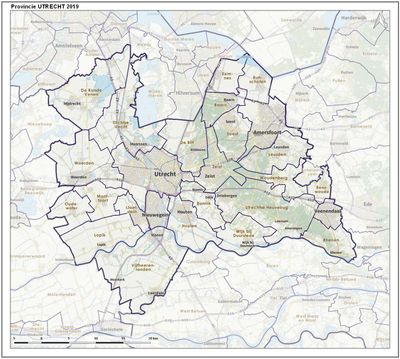
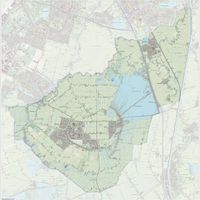
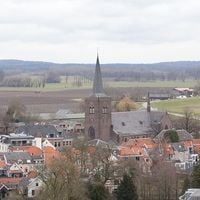
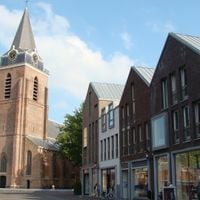
Utrecht is an administrative province in central Netherlands, stretching between Noord-Holland and Zuid-Holland to the west and Gelderland to the east. The territory covers 26 municipalities and is governed by a provincial council of 49 elected members based in Utrecht city.
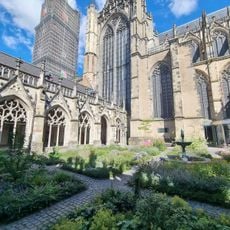
The area became a Prince-Bishopric in 1024 within the Holy Roman Empire, developing into a center of ecclesiastical power. Later it played a central role in the Dutch Revolt against Spanish rule, with Utrecht city serving as one of the main sites of resistance.
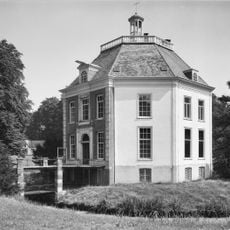
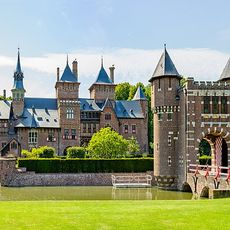
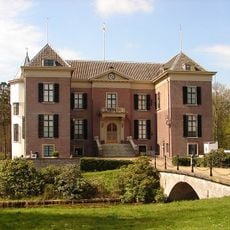
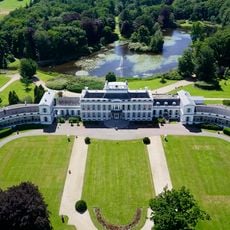
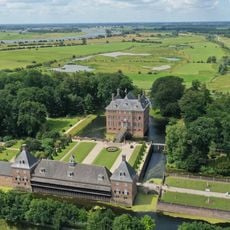
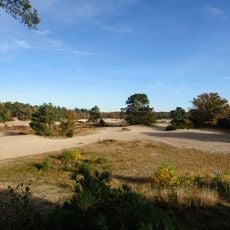
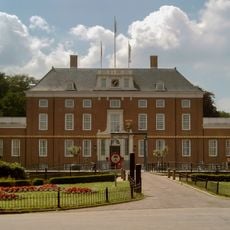
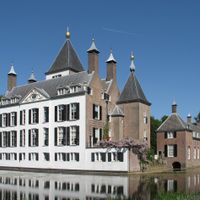
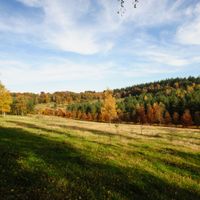
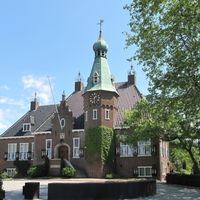
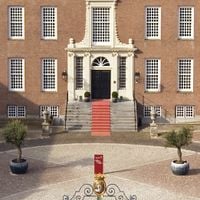
The northern section takes in the Gooi area, where woodlands and heathlands shape the landscape. Dozens of manor houses from the 17th and early 18th century stand scattered across the region, built as country retreats by Amsterdam merchants who sought green space beyond the city walls.
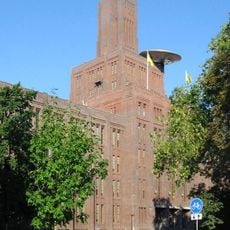
The provincial council meets at the administrative building on Archimedeslaan 6 in Utrecht city, where visitors can find the political center of the region. Public access to council sessions and information about administrative processes is available on weekdays.
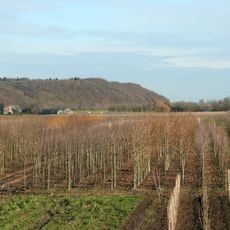
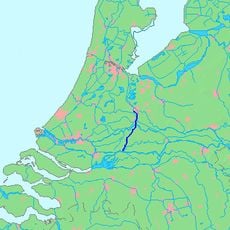
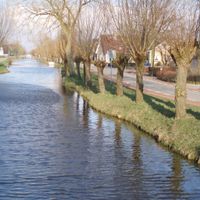
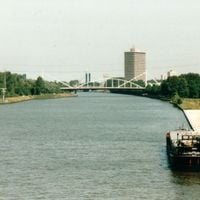
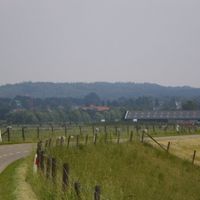
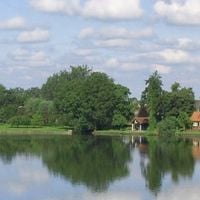
The province contains the Utrecht Hill Ridge, an ice age terminal moraine that runs as a gentle elevation through an otherwise flat landscape. Five rivers flow through the territory and create a network of waterways connecting the fertile river valleys to one another.
The community of curious travelers
AroundUs brings together thousands of curated places, local tips, and hidden gems, enriched daily by 91,369 contributors worldwide.