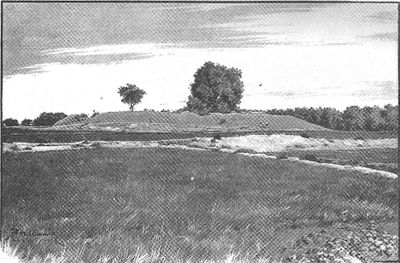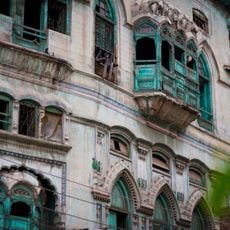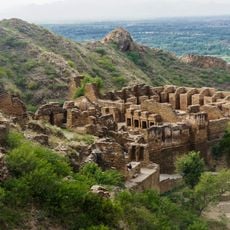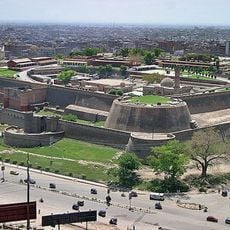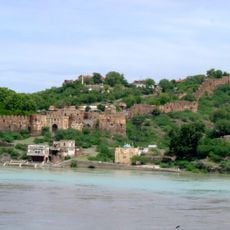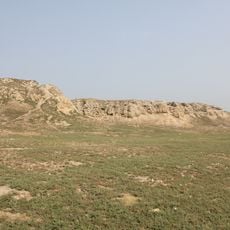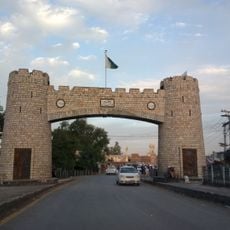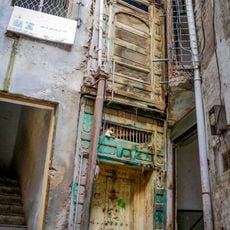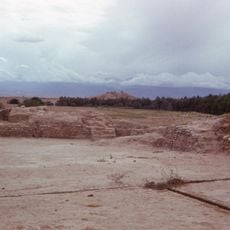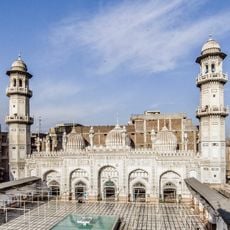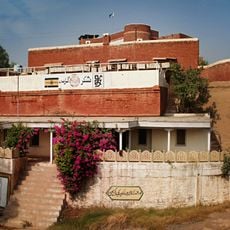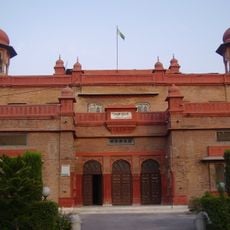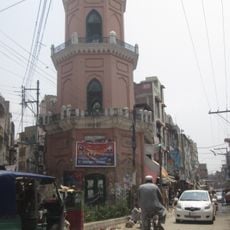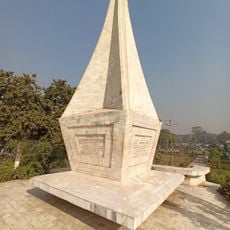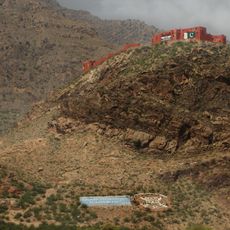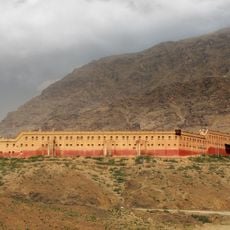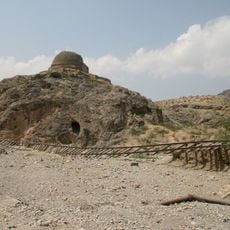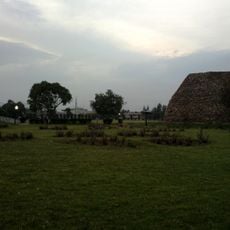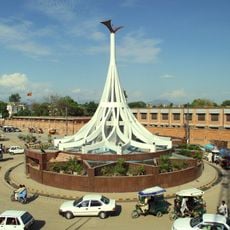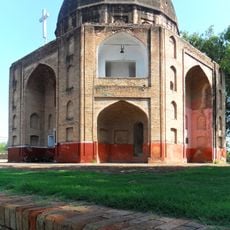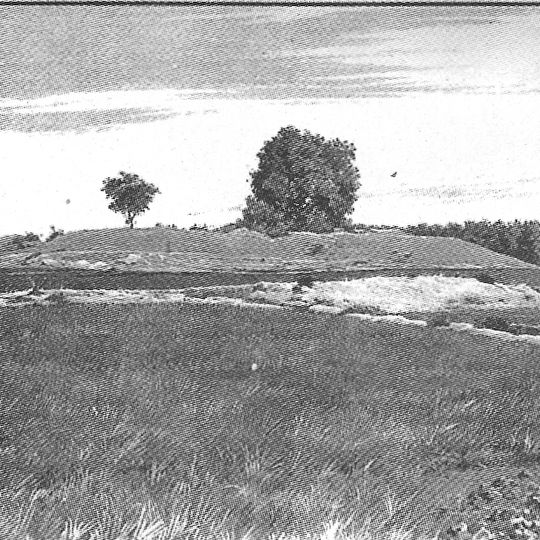
Kanishka stupa, Buddhist stupa in Shaji-ki-Dheri, Peshawar, Pakistan.
The Kanishka stupa was a massive religious structure with a cruciform foundation and four staircases, while corner bastions reinforced the perimeter. Inside lay a vessel holding sacred remains, emphasizing its role as a central shrine.
The structure rose under Emperor Kanishka between 150 and 300 CE, a period when his realm spread Buddhism across much of Asia. A major excavation in 1908 uncovered a copper vessel with valuable artifacts, confirming the site's historical importance.
The stupa takes its name from Emperor Kanishka, a powerful ruler who championed Buddhism across Central Asia. Today, the remaining site draws pilgrims and visitors seeking connection to the ancient religious past.
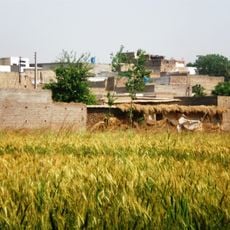
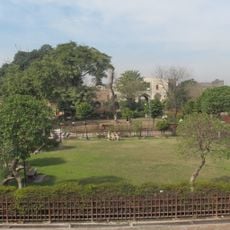
The site lies several kilometers outside Peshawar and is reachable by basic roads, with open and visible surroundings. Visitors should expect uneven ground and wear weather-appropriate clothing, as the location remains partially exposed to the elements.
The vessel discovered during excavation bears fine inscriptions in an ancient script and displays skilled carvings of Buddhist deities and flying geese. These detailed decorations reveal the craftsmanship and spiritual symbolism woven into every aspect of the monument.
The community of curious travelers
AroundUs brings together thousands of curated places, local tips, and hidden gems, enriched daily by 91,526 contributors worldwide.