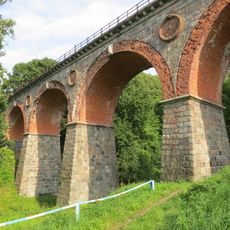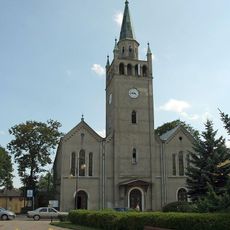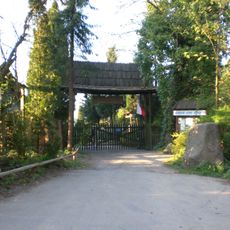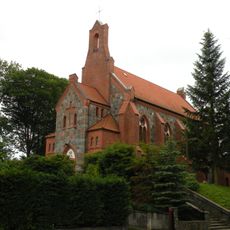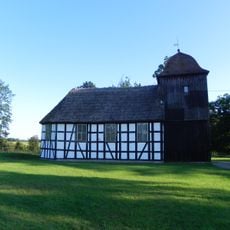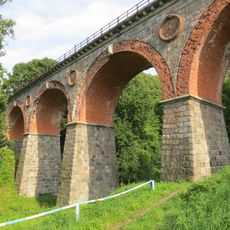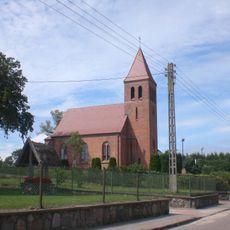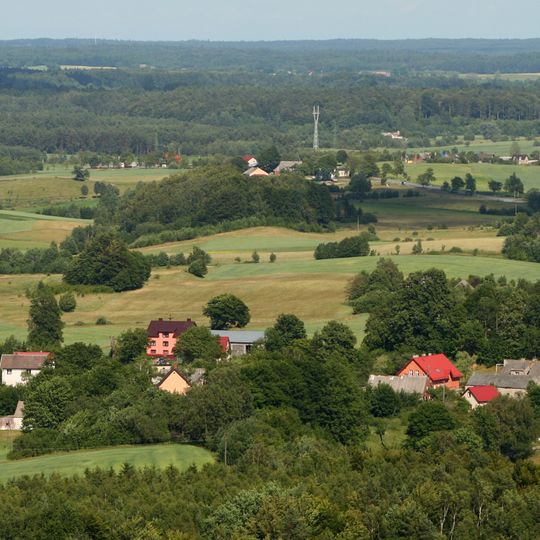
Kashubia, Historical region in northern Poland.
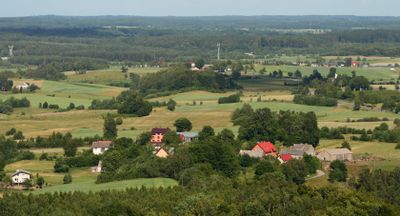
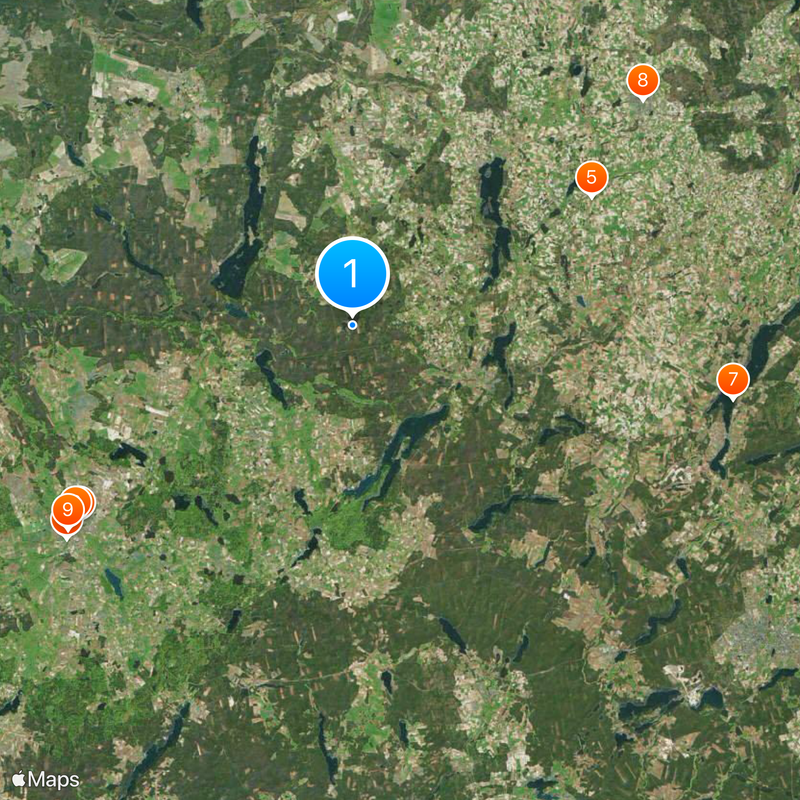
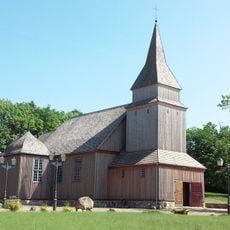
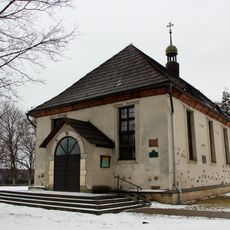
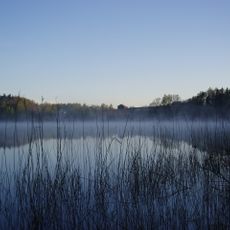
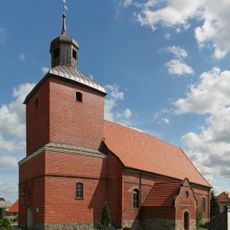
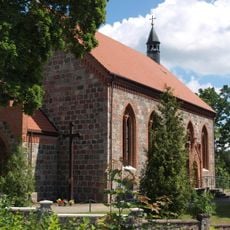
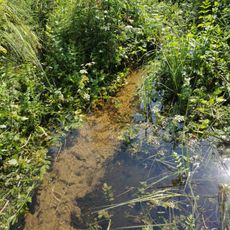
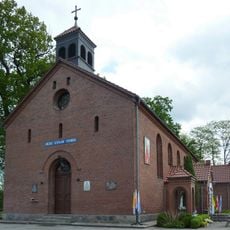
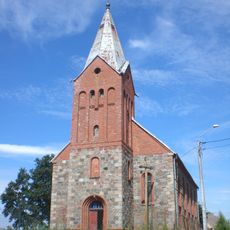
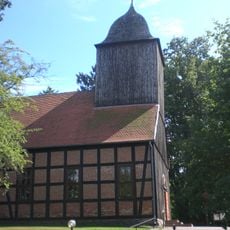
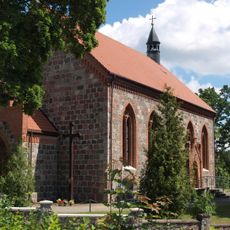
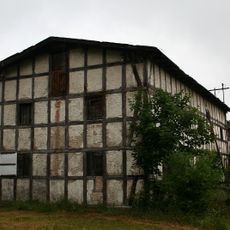
Kashubia is a historical region in northern Poland stretching between Gdańsk and the Pomeranian Lake District, covering wooded hills and roughly 500 glacial lakes. The landscape is marked by farming villages with wooden churches, grain barns, and centuries-old oaks.
The area preserved a distinct Slavic identity until the 13th century, when German settlers arrived and the region came under the administration of the Teutonic Order. After several border shifts between Prussia and Poland, a mixed population developed with its own folk culture.
The Kashubian language, a West Slavic tongue with its own grammar and vocabulary, is still spoken in villages and at local markets. Visitors often notice the blue floral patterns on traditional costumes and house fronts that have been passed down through generations.
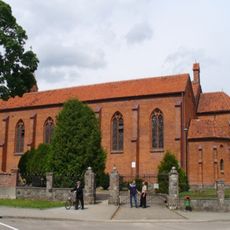
Marked walking and cycling routes link churches, open-air museums, and village workshops for pottery and weaving. The lakes offer opportunities for canoeing and sailing, while the forests attract mushroom foragers in autumn.
The embroidery follows a color grammar: blue shows the sky, green the forests, yellow the amber of the Baltic coast. Black threads stand for earth and connect all elements in geometric patterns on tablecloths and aprons.
The community of curious travelers
AroundUs brings together thousands of curated places, local tips, and hidden gems, enriched daily by 91,955 contributors worldwide.