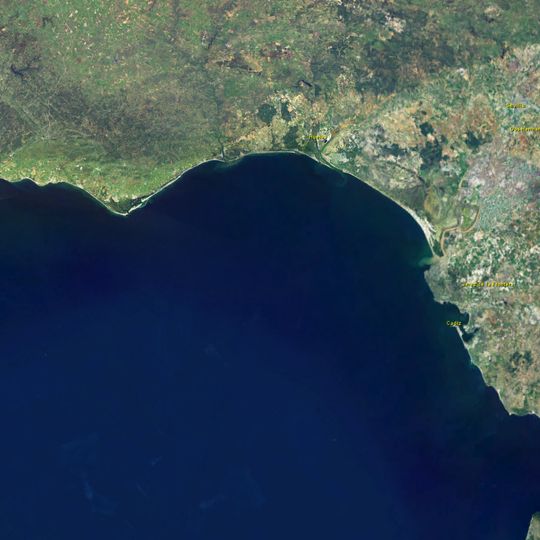
Gulf of Cádiz, Atlantic Ocean gulf between southern Portugal and southwestern Spain
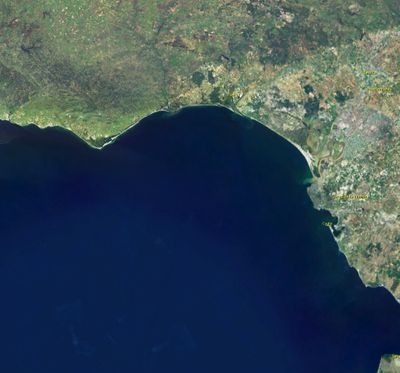
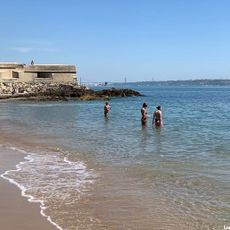
The Gulf of Cádiz is a body of water between southern Portugal and southwestern Spain, stretching from Cape Saint Vincent to the Strait of Gibraltar. Its coastline features steep cliffs, sandy beaches, and several river mouths that create a varied landscape.
This body of water was shaped by tectonic movements millions of years ago, the same forces that created the Strait of Gibraltar and formed the southwestern Iberian coast. These geological processes made it a natural meeting point between the Atlantic and the Mediterranean.
The fishing villages along these coasts have depended on the sea for generations, shaping the daily rhythm of nearby towns and settlements. Their maritime traditions are visible in the harbors, where boats arrive and catch is processed according to methods passed down over centuries.
The gulf is accessible for boating and trade among the southern ports, with calmer conditions during certain seasons. Visitors should be aware that weather patterns and tidal currents in this area can be variable.
Deep on the seafloor sit unusual mud structures that resemble volcanoes and create a special environment for rare marine life. These sites are home to specialized worms, snails, and clams found nowhere else in the world.
The community of curious travelers
AroundUs brings together thousands of curated places, local tips, and hidden gems, enriched daily by 90,836 contributors worldwide.