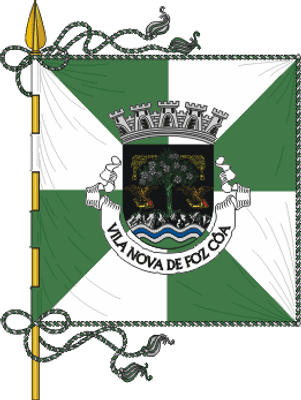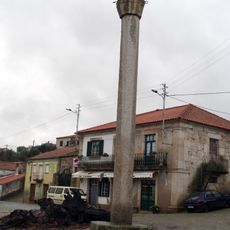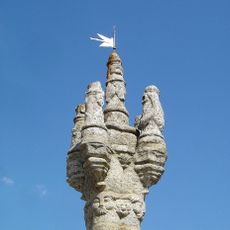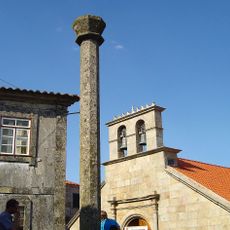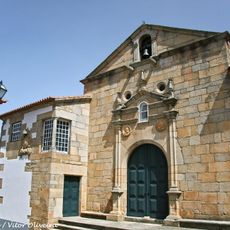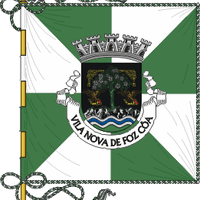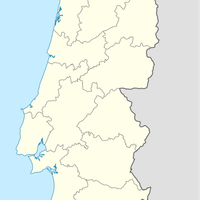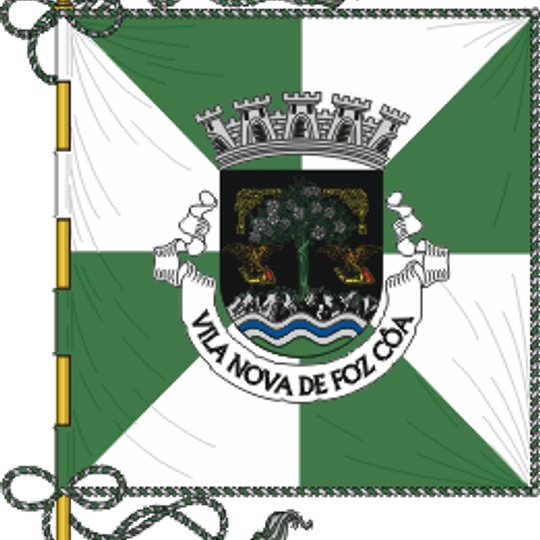
Vila Nova de Foz Côa, municipality and city in Portugal
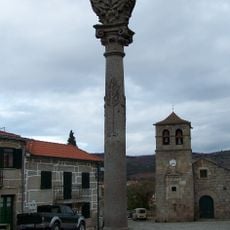
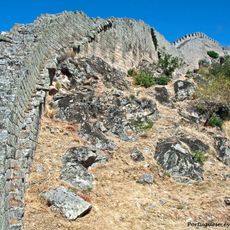
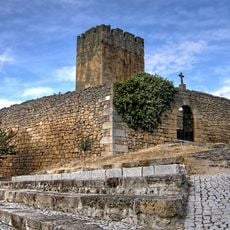
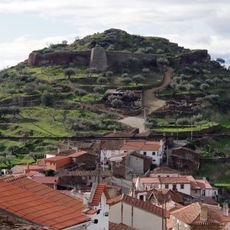
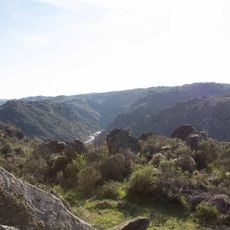
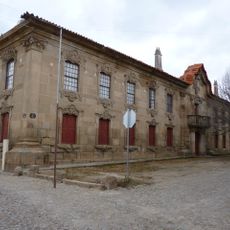
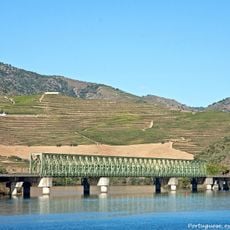
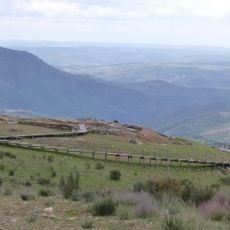
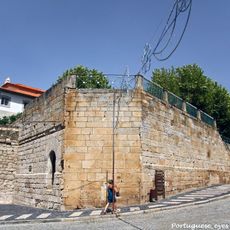
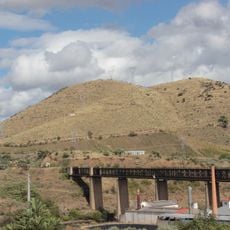
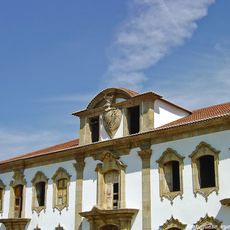
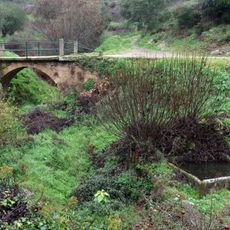
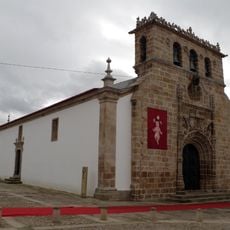
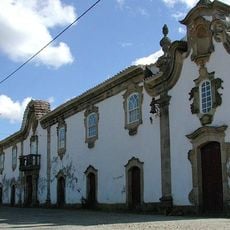
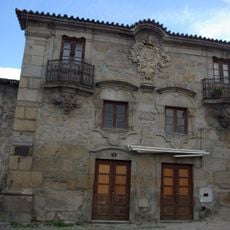
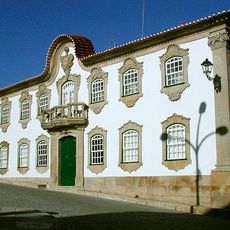
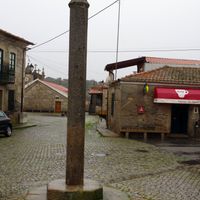
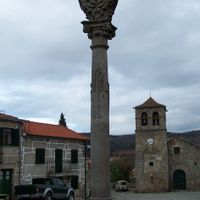
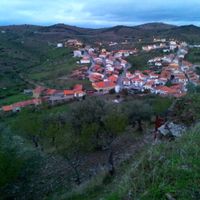
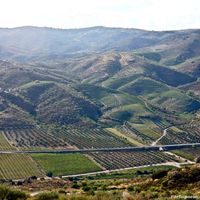
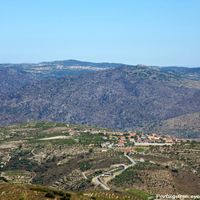
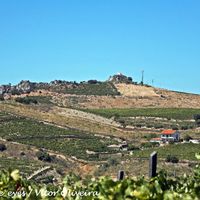
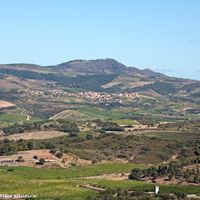
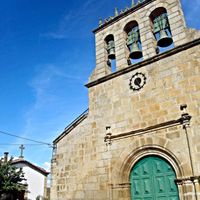
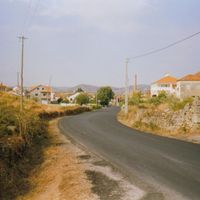
Vila Nova de Foz Côa is a city in Guarda District within the Douro Subregion, situated south of the Douro River. The Côa River cuts through the landscape, carving deep gorges into the hilly terrain dotted with vineyards and almond groves, while small streets wind through a historic center featuring the Matriz church in Manueline style and several chapels.
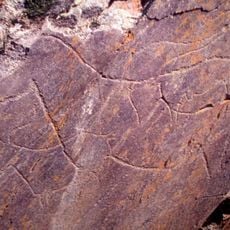
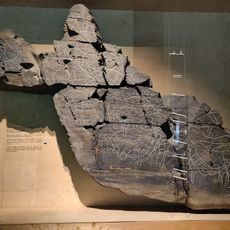
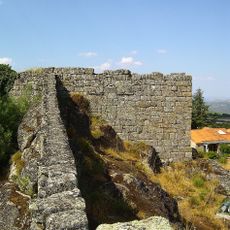
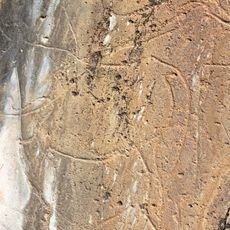
The region has been inhabited since the Paleolithic period, as shown by thousands of rock engravings in the Vale do Côa, declared a UNESCO World Heritage Site in 2001. The town developed through Roman and medieval settlement and only gained city status in 1997, reflecting its long history as a rural agricultural place.
The town reflects its inhabitants' connection to ancient traditions, especially through veneration at the main church and small chapels scattered throughout the center. Festivals like the Festa da Amendoeira em Flor show how the community celebrates both nature and local customs together, keeping old ways of life alive.
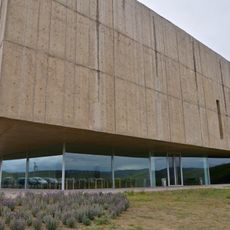
Visitors find the best conditions during spring and autumn months when weather is mild and the landscape colorful, while summer heat exceeds 30°C (86°F) and winters bring rain and cold. The center is compact and walkable on foot, but the Museu do Côa and park trails require good footwear and fitness due to many stairs and elevation changes.
A planned dam was stopped in the 1990s to protect the rock engravings of Vale do Côa, which underscored the importance of this artistic treasure worldwide. This rare decision to halt modern development in favor of archaeological heritage made the town a symbol for balancing progress with preservation.
The community of curious travelers
AroundUs brings together thousands of curated places, local tips, and hidden gems, enriched daily by 91,143 contributors worldwide.