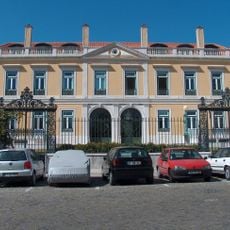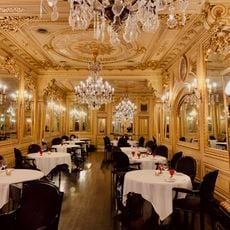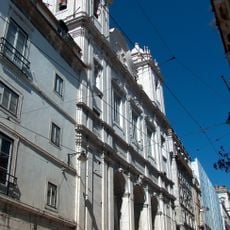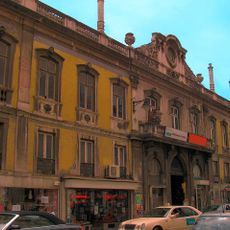
Seven Hills of Lisbon, Hill group in Lisbon, Portugal
The seven hills of Lisbon shape the city's landscape with steep streets, staircases, and many viewpoints spread across the urban area. Together they form the underlying structure that defines how the city is built and how people move through it.
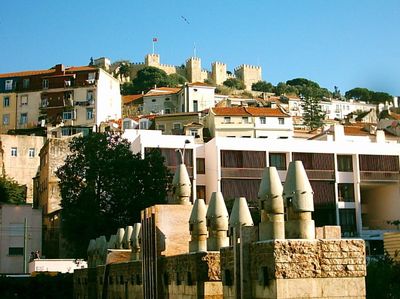
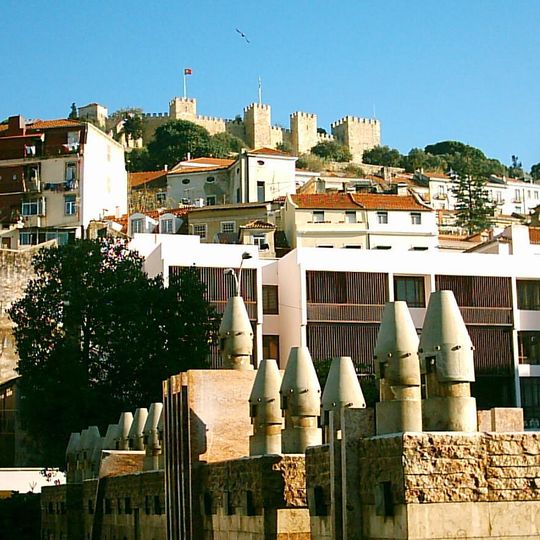
These seven hills served as strategic defense points since Roman times, with the hill of São Jorge becoming the location of a medieval castle in the 11th century. This early role in protecting the city shaped how Lisbon developed over the centuries.
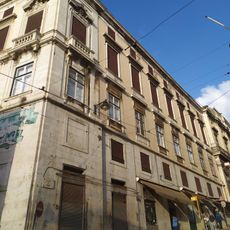
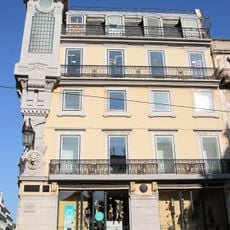
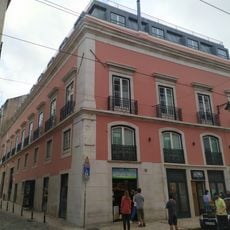
Each hill developed its own neighborhood with distinct character, from medieval winding streets in Alfama to the geometric grid of Baixa from the 18th century. This spatial separation helped each area maintain its own identity and local traditions that visitors can still experience today.
Visitors can explore these hills using public transportation, especially the yellow tram 28E, which connects many key points across these elevations. The steep streets and numerous staircases require comfortable walking shoes and a relaxed pace.
Each of the seven named hills—São Vicente, Santo André, São Jorge, Sant'Ana, São Roque, Chagas, and Santa Catarina—offers a different angle on the Tagus River. These varied viewpoints let visitors see the connection between the city and the water from many positions.
The community of curious travelers
AroundUs brings together thousands of curated places, local tips, and hidden gems, enriched daily by 91,382 contributors worldwide.