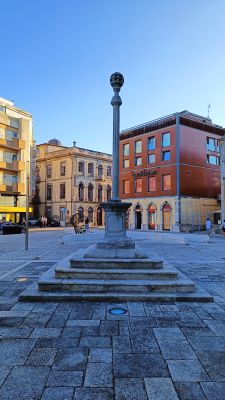
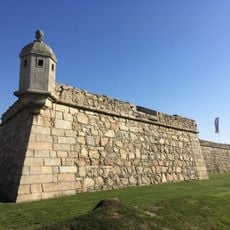
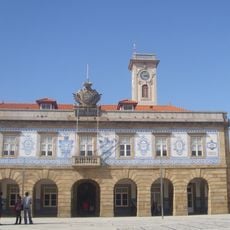
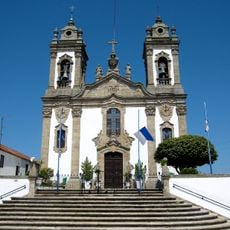
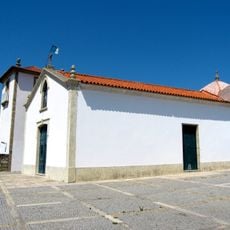
Pelourinho da Póvoa de Varzim, Whipping post and pillory in Verdelhos, Portugal
The Verdelhos pillory is a stone column standing in a public square in the small village of Verdelhos, in central Portugal. The structure is made of local stone, has a simple cylindrical shape, and still shows the iron rings used to hold prisoners in place.
The pillory as a form of public punishment appeared in Portugal from around the 12th century and became a symbol of a town's right to govern itself. Before the 15th century, executions sometimes took place at these posts, but over time the practice shifted toward public shaming and flogging.
In Portugal, the pillory, known locally as "picota," was typically placed in front of the town hall as a visible sign of local authority. It served as a daily reminder that the community had the right to enforce its own laws and punish those who broke them.
The pillory stands in the central square of Verdelhos and is easy to reach on foot from anywhere in the village. A daytime visit works best, as natural light brings out the texture of the old stone and makes it easier to read any nearby signs or markings.
Some pillories in Portugal had a small iron cage structure fitted at the top, known as a gatehouse, where the condemned person was locked in full view of passersby. This detail was designed to make sure that no one in the village could miss the punishment being carried out.
The community of curious travelers
AroundUs brings together thousands of curated places, local tips, and hidden gems, enriched daily by 60,000 contributors worldwide.