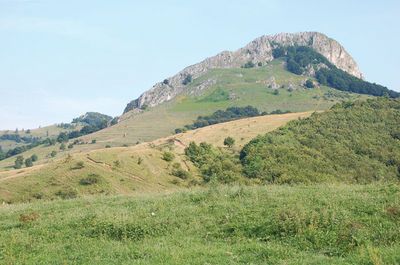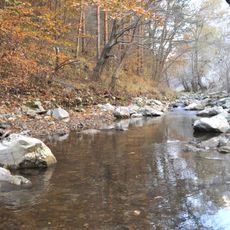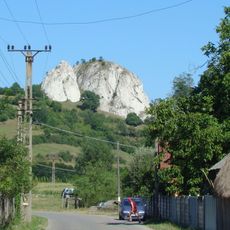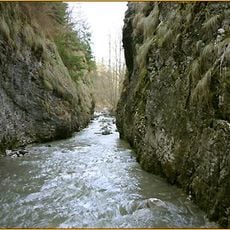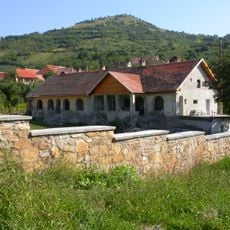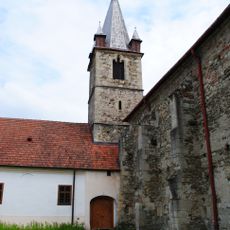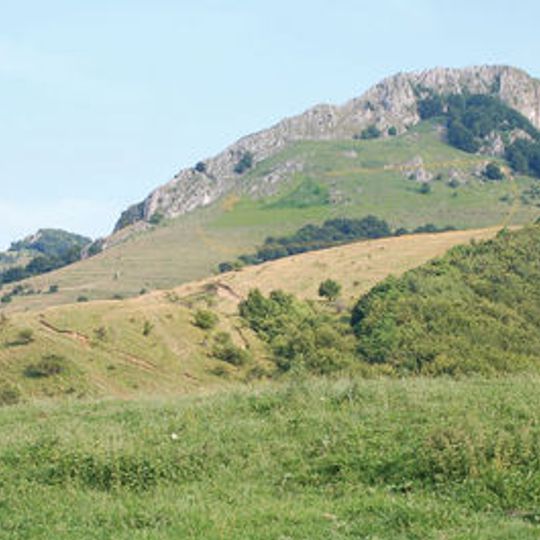
Apulon, Dacian fortress in Craiva, Romania.
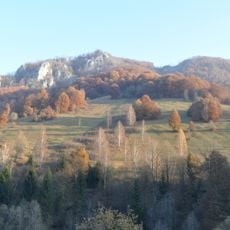
Apulon is a Dacian fortress on a limestone ridge in Alba County, Romania, sitting above 3,300 feet (1,000 m) in elevation. Stone walls and defensive structures from the ancient occupation are still visible on the site today.
The site functioned as an important center of the Dacian world from the 2nd century BC to the 1st century AD. After the Dacian Wars, the area came under Roman influence, and later excavations uncovered finds from both periods.
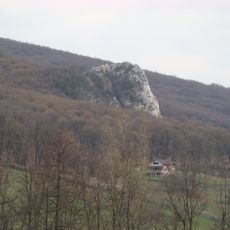
Apulon sits on a limestone ridge that is still visible from the valleys below and once served as a control point over the surrounding area. Finds of glass, jewelry and imported pottery suggest that those who lived here were in contact with distant trading partners.
The site is at high elevation and is easiest to visit in mild weather when the paths are more manageable. Sturdy footwear is a good idea since the ground is uneven and parts of the ancient stonework remain exposed.
Some researchers believe that Apulon corresponds to the place the ancient geographer Ptolemy recorded as Apoulon in his writings, though this identification has never been confirmed. The position on the ridge would make such a match plausible at least from a geographic point of view.
The community of curious travelers
AroundUs brings together thousands of curated places, local tips, and hidden gems, enriched daily by 91,430 contributors worldwide.