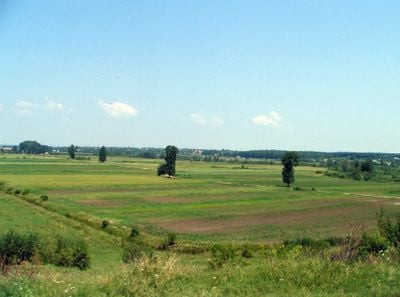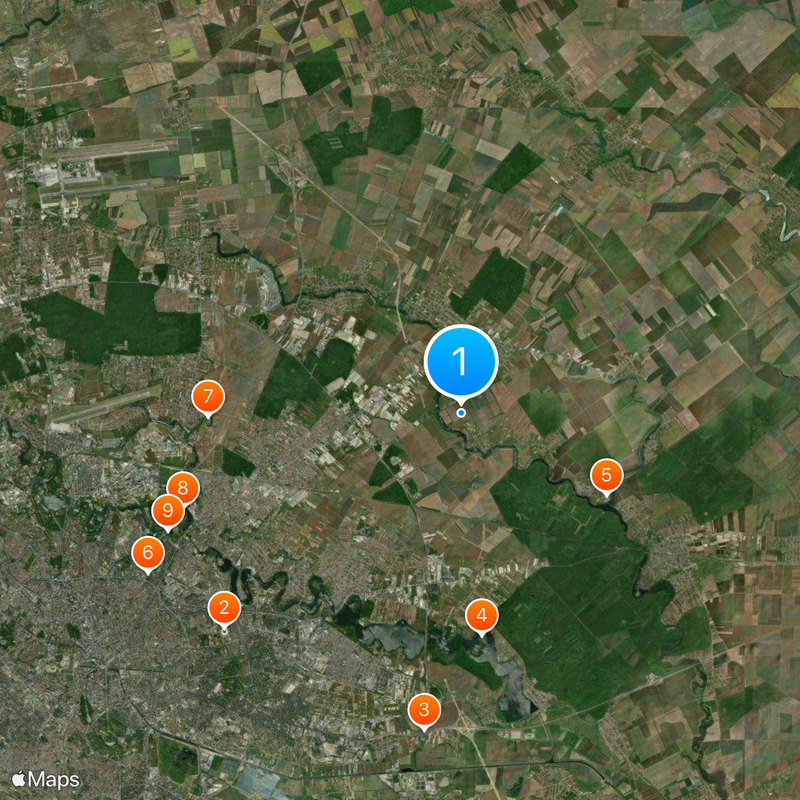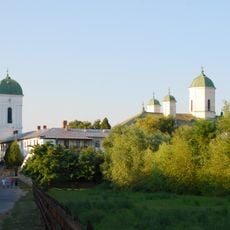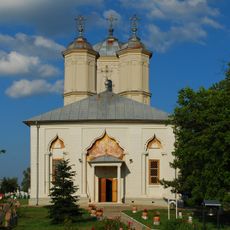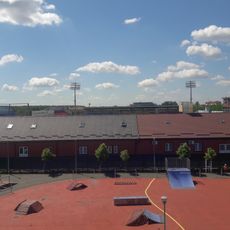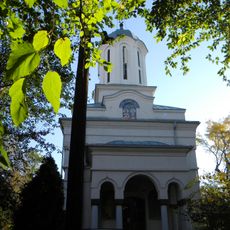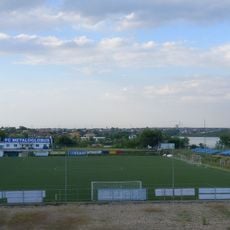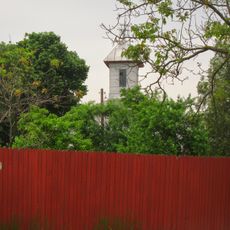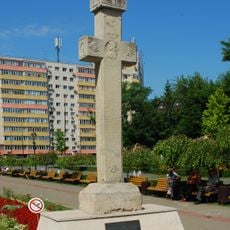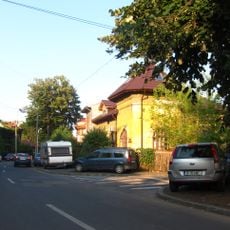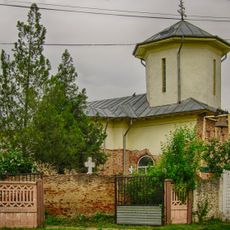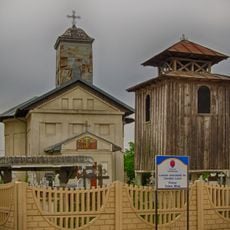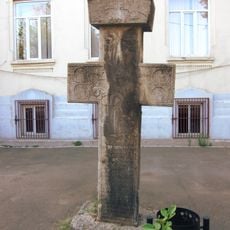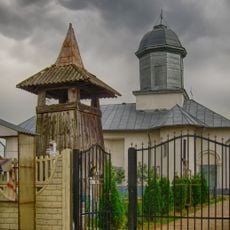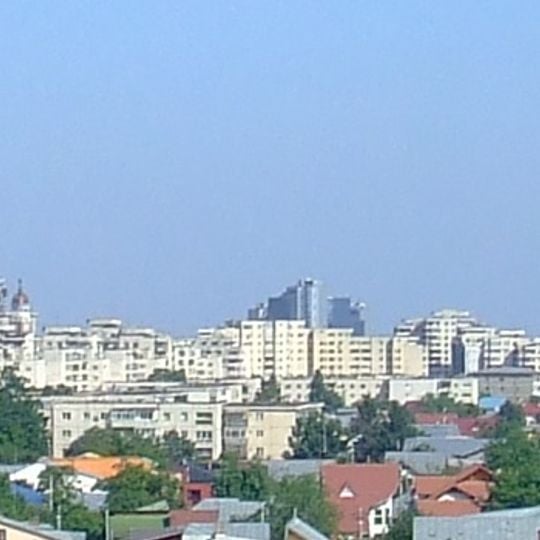
Wallachian Plain, Lowland region between Carpathian Mountains and Danube River, Romania.
The Wallachian Plain covers southern Romania from the Carpathian foothills to the Danube, forming a wide stretch of gently rolling terrain. Rivers cross the lowland from north to south, leaving behind rich soil and shallow valleys between low hills.
People settled the plain in ancient times, leaving traces of Dacian and Roman presence followed by Slavic groups. The medieval principality of Wallachia emerged here and shifted between Ottoman control and independence for centuries.
The name Wallachia connects the area to its medieval principality past and shapes village customs and place names across the lowland. Many communities maintain traditions around wheat and sunflower cultivation, which define much of the rural landscape.
Roads and rail lines cross the lowland and link cities and towns, though some sections suit driving better than walking. Visitors should plan for longer distances between settlements, as rural areas are wide and open.
The lowland divides into five sections with their own geographic traits, including the wide Bărăgan steppe in the east. Some of these areas differ notably in soil type and farming methods.
The community of curious travelers
AroundUs brings together thousands of curated places, local tips, and hidden gems, enriched daily by 60,000 contributors worldwide.