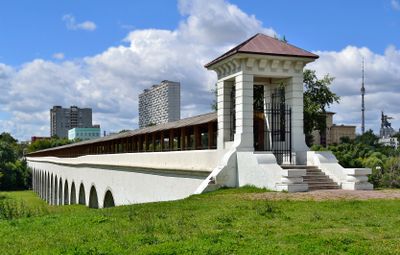
Rostokino Aqueduct, Stone aqueduct in Rostokino District, Moscow, Russia
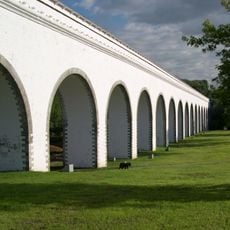
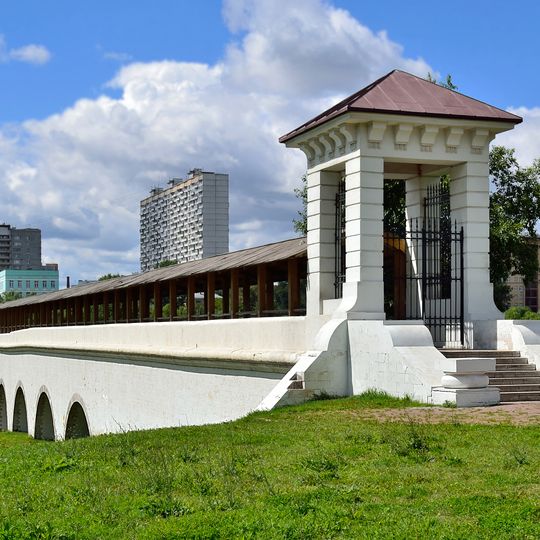
Rostokino Aqueduct is a stone structure spanning 356 meters across the Yauza River with 21 arches that rise about 19 meters above water level. The construction demonstrates early 19th century engineering using solid masonry throughout its length.
Catherine the Great commissioned this structure in 1780 as part of Moscow's first centralized water system, with construction completed under Alexander I in 1804. The project marked a turning point in how the city managed its water supply.
The structure earned the nickname Million Rouble Bridge because of its construction cost, an extraordinary sum for early 19th century Russia. Visitors can see how this engineering achievement reflects the wealth and ambition of the time.
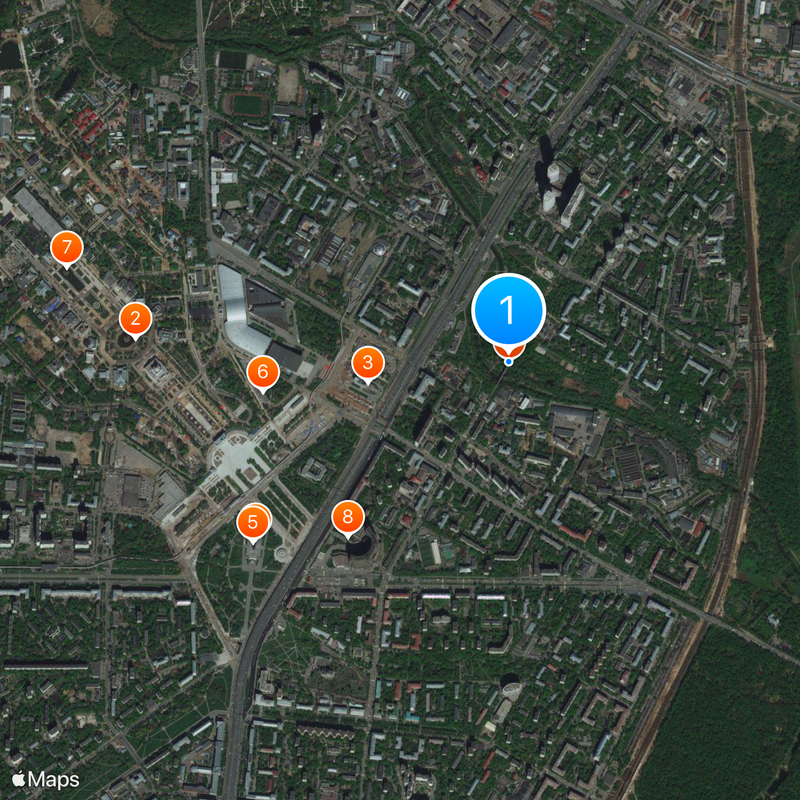
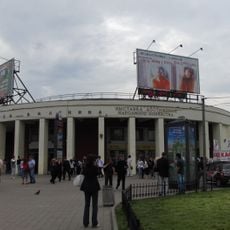
The best way to reach the aqueduct is from Prospekt Mira metro station, where you can walk to the structure behind building 184. Expect uneven ground and stairs on both sides if you want to walk underneath the arches or along the nearby paths.
The aqueduct functioned as a water conduit until 1937, carrying water through iron pipes installed in the 1850s. These pipes replaced the original stone channel system, turning the structure into a hybrid of two different engineering eras.
The community of curious travelers
AroundUs brings together thousands of curated places, local tips, and hidden gems, enriched daily by 60,000 contributors worldwide.