Cherepakha Islet, Artificial island and cultural heritage site in Gulf of Taganrog, Russia
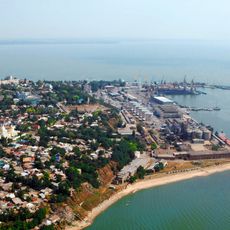
Cherepakha is an artificial islet in the Gulf of Taganrog built on a foundation of rock fill supported by oak piles beneath the Sea of Azov. The island measures approximately 59 by 38 meters and has remained in place since its original construction.
Peter the Great ordered the construction of this military fortification between 1701 and 1706 to strengthen Azov Flotilla defenses. The islet was built during a period of Russian expansion into southern waters.
The name Cherepakha comes from the Russian word for turtle, inspired by the countless shells mixed into the island's foundation. This naming reflects how the builders incorporated local marine materials into their work.
The islet becomes visible during low tide combined with easterly winds, making it accessible for activities like fishing. Visit timing depends heavily on tidal conditions and wind patterns in the region.
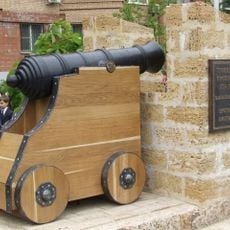
The central citadel contained 127 cannons spread across roughly 1200 square meters of space. A stone building eventually replaced the original wooden garrison quarters, showing how the fortification evolved.
The community of curious travelers
AroundUs brings together thousands of curated places, local tips, and hidden gems, enriched daily by 92,557 contributors worldwide.