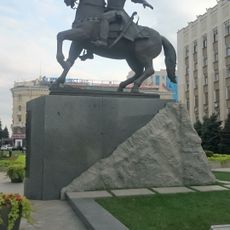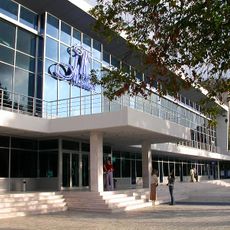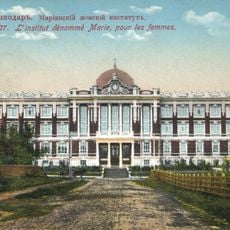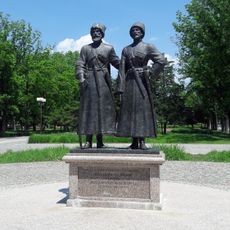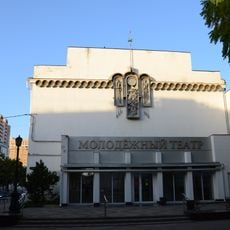
Krasnodarskiĭ gosudarstvennyĭ istoriko-arkheologicheskiĭ muzeĭ-zapovednik im. E.D. Felit︠s︡yna, State history and archaeology museum complex in Krasnodar, Russia.
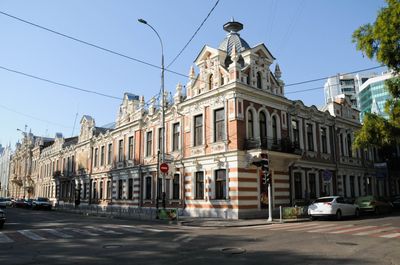
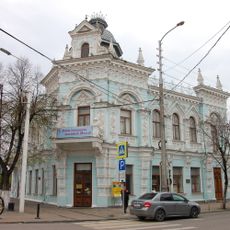
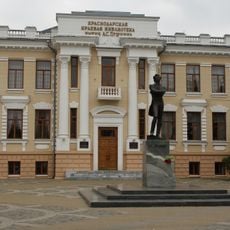
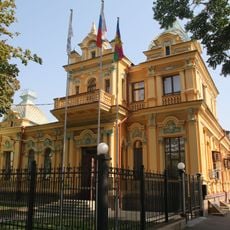
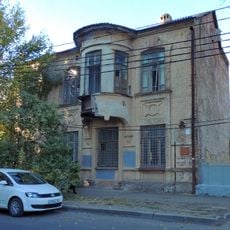
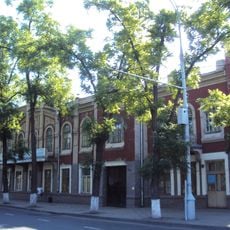
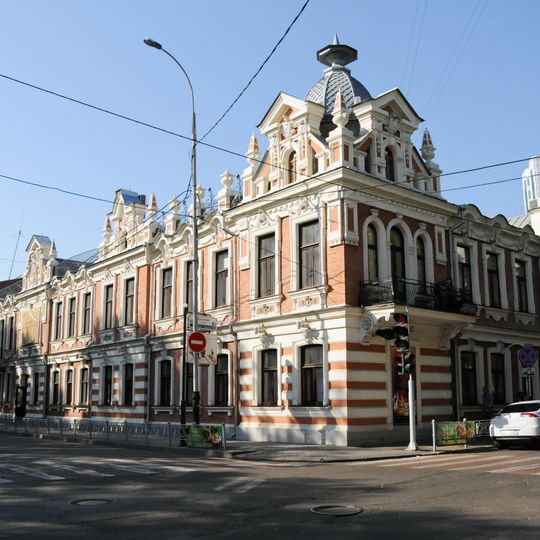
The Felitsyn State Historical and Archaeological Museum-Reserve is based in the former Bogarsukov mansion at 67 Gimnazicheskaya Street in Krasnodar, where it has been housed since July 1961. Its holdings number 428,400 items, and since 1977 it has operated as a museum-reserve with branches in Anapa, Taman, Temryuk and Timashevsk.
Founded in 1879 by researcher Evgeny Dmitrievich Felitsyn at the Kuban Regional Statistical Committee, the museum became one of the first cultural institutions in the North Caucasus region.
The museum's name honours Evgeny Felitsyn, who founded it in 1879 as the Military Ethnographic and Natural-Historical Museum. Its branches include the Anapa museum at the Gorgippia reserve, the Taman complex with the Hermonassa-Tmutarakan site and Mikhail Lermontov's house-museum, and the Timashevsk museum of the Stepanov family.
Located at 67 Gimnazicheskaya Street, the museum offers guided tours, educational programs, and research facilities accessible to visitors through official website scheduling and telephone contact information.
During the six-month occupation of 9 August 1942 to 12 February 1943, the museum's collection was confiscated in the name of Rosenberg's staff: most of the Scythian gold and stonework from burial mounds, ethnographic items and more than 3,000 books were taken. The museum reopened to visitors on 5 March 1943, and in 1943 staff completed a study of the iodine-bearing springs near Goryachy Klyuch, interrupted by the occupation.
The community of curious travelers
AroundUs brings together thousands of curated places, local tips, and hidden gems, enriched daily by 94,705 contributors worldwide.