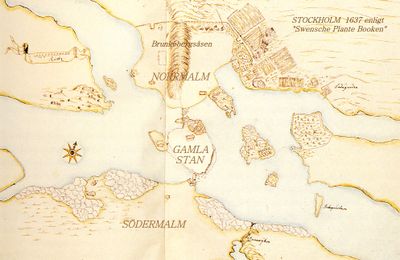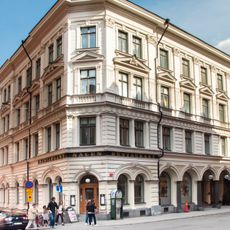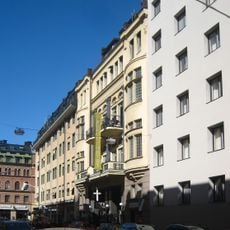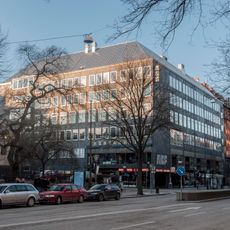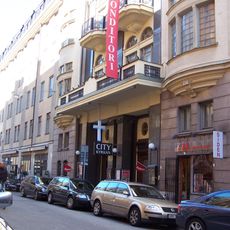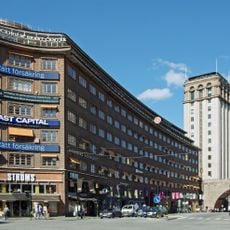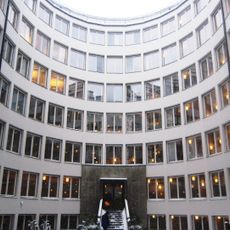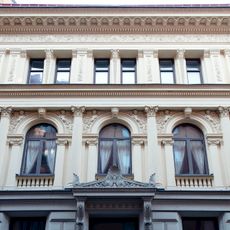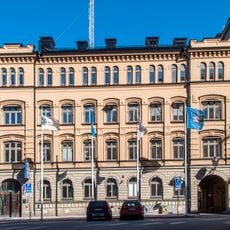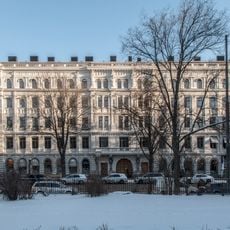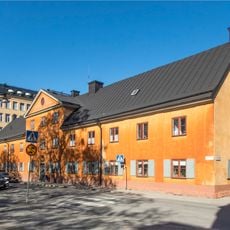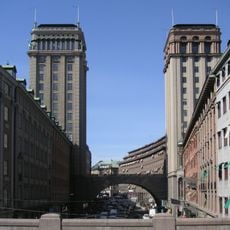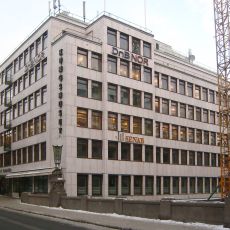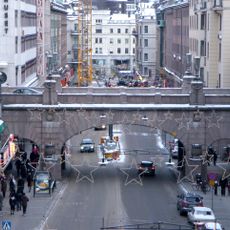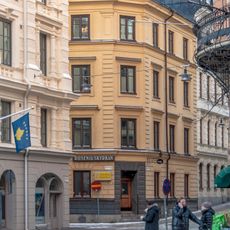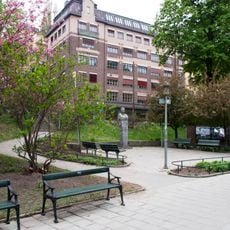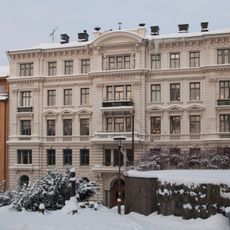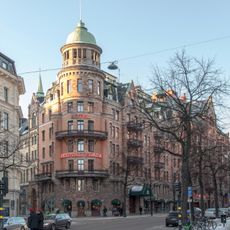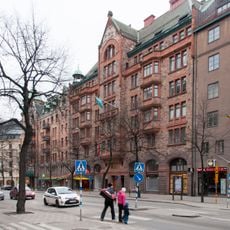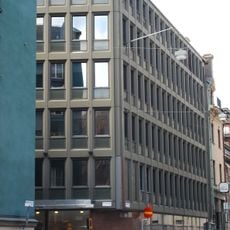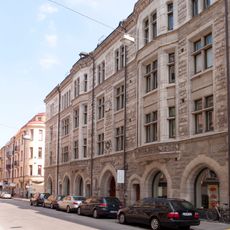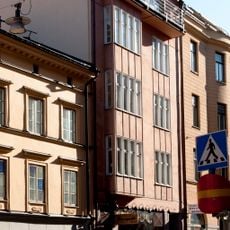
Brunkebergsåsen, Glacial esker in Norrmalm district, Sweden.
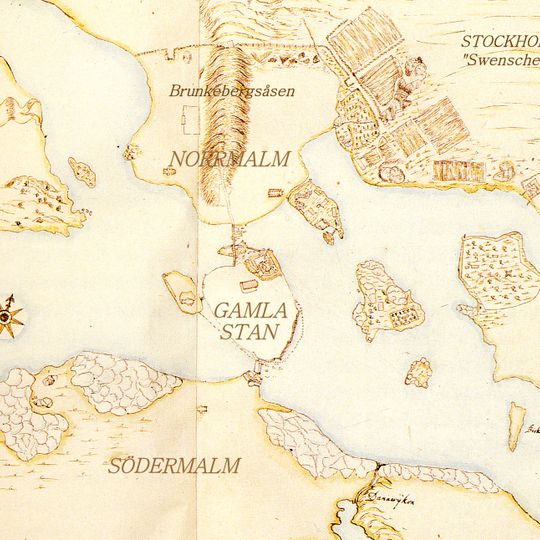
Brunkebergsåsen is an esker that forms a long ridge running north to south through Stockholm's Norrmalm district, part of the larger Stockholmsåsen geological formation. The ridge creates a noticeable height change across the urban landscape that shapes how the area is built and accessed.
The esker was created during the last ice age when glaciers shaped the landscape and left this distinctive ridge behind. Since the 1600s, urban development has substantially altered the formation through major excavations and restructuring to accommodate the city's growth.
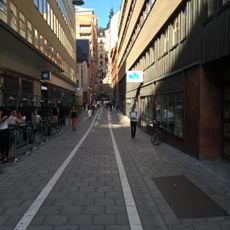
The ridge forms a physical boundary within Norrmalm that locals navigate around daily, creating distinct zones with different characters and uses. Walking through the area, you notice how the terrain influences where buildings sit and how streets connect.
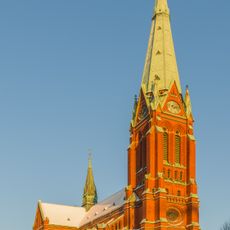
The remaining visible parts of the ridge are easiest to see near Johannes Church, in Observatorielunden park, and in Vanadislunden, which are connected by walking paths. These green spaces offer good vantage points to understand the height differences and how the terrain shapes the district.
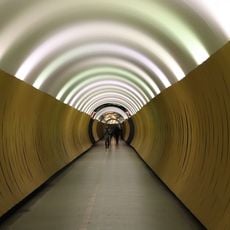
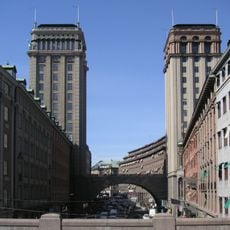
The Brunkebergstunneln tunnel and Kungsgatan street cut directly through the esker, showing how engineers designed infrastructure that worked with the geological barrier rather than removing it entirely. These projects demonstrate clever adaptation to a landscape that proved difficult to change.
The community of curious travelers
AroundUs brings together thousands of curated places, local tips, and hidden gems, enriched daily by 60,000 contributors worldwide.