Thiel Gallery, Art museum in Djurgården, Stockholm, Sweden
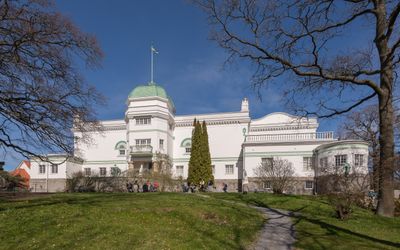
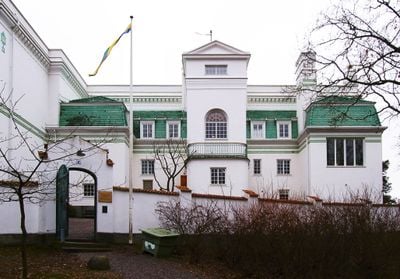
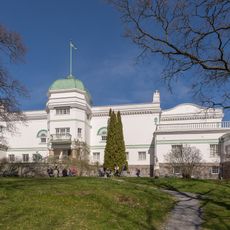
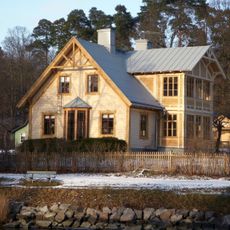
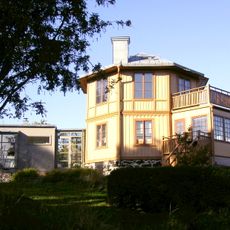
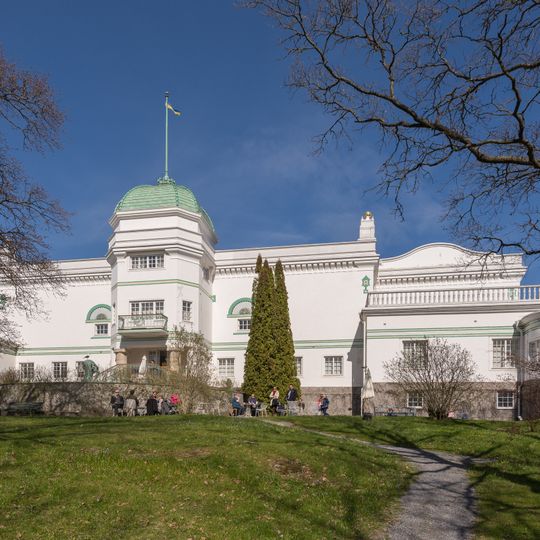
Thiel Gallery occupies Villa Eolskulle, an Art Nouveau house with white walls and thin green horizontal bands, designed by Ferdinand Boberg and completed in 1907. Its left section rises into a rounded green-domed tower flying a yellow and blue flag; below are arched windows with green surrounds and a balcony with a white balustrade. A long wing with a balustraded parapet extends to the right, and a central entrance porch projects forward above a stone base.
The building was completed in 1907, designed by architect Ferdinand Boberg as a residence and gallery for banker Ernest Thiel. The Swedish state purchased the property and collection in 1924, transforming the private mansion into a public museum.
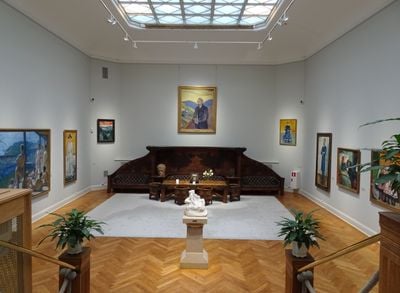
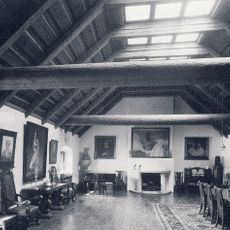
Ernest Thiel bought his first large painting in 1896, Bruno Liljefors's Morgonstämning vid havet, for 2,000 kronor. His collecting grew from friendships with artists such as Eugène Jansson, Carl Larsson and Bruno Liljefors, whom he supported financially. The 1907 Fjæstad sofa, carved from a single piece of wood, stands in the collection.
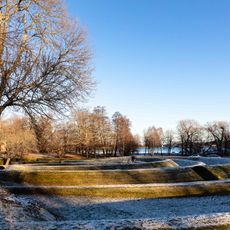
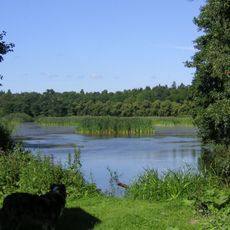
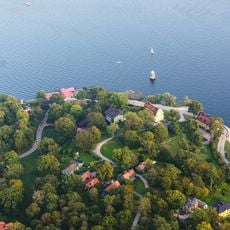
The museum sits at the highest point of Blockhusudden on southern Djurgården, within the Royal National City Park. Tram line 7 and bus 67 stop nearby, and the walk from the stop is short. The 1907 villa has several floors connected by stairs, with no lift.
One room displays Friedrich Nietzsche's death mask alongside prints by Edvard Munch, creating an unusual pairing of philosophy and visual art. Below Rodin's sculpture The Shadow rests Ernest Thiel's ashes, making the gallery itself a kind of memorial space to its founder.
The community of curious travelers
AroundUs brings together thousands of curated places, local tips, and hidden gems, enriched daily by 93,904 contributors worldwide.