Spånga-Tensta city district, Administrative district in northwestern Stockholm, Sweden.
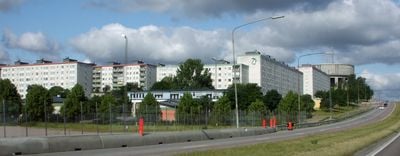
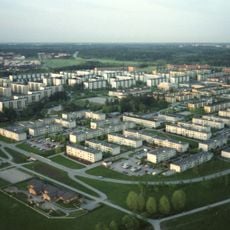
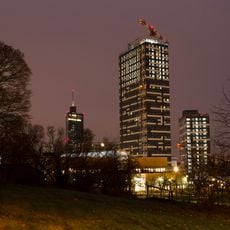
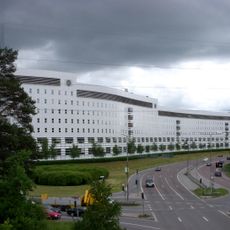
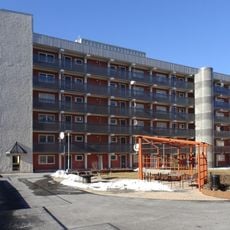
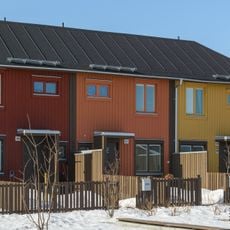
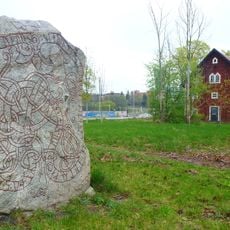
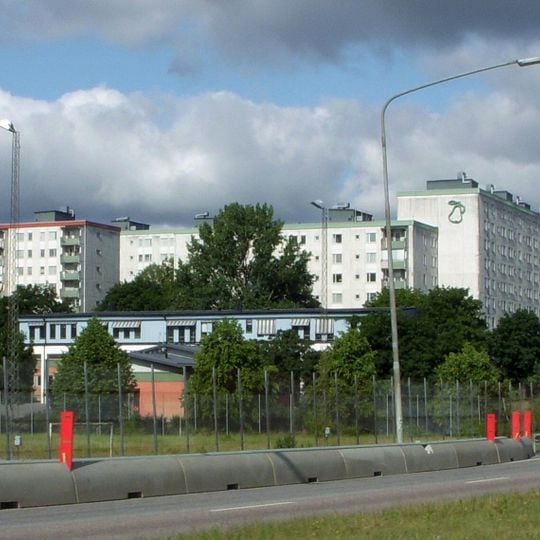
Spånga-Tensta is a city district in northwestern Stockholm made up of six neighborhoods: Bromsten, Flysta, Solhem, Lunda, Sundby, and Tensta. The area shifts between zones of detached houses with gardens and blocks of flats built mostly during the 1960s and 1970s, laid out along wide roads.
The area was mostly farmland until the mid-20th century, when Sweden launched a large national housing program that brought rapid construction to the outskirts of Stockholm. Tensta was built as part of this effort, known as the Million Programme, which aimed to produce a million new homes across the country within a decade.
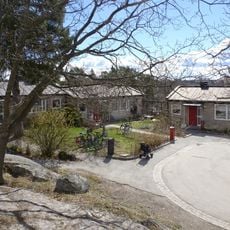
Tensta is one of Stockholm's most known multicultural neighborhoods, and that comes through when you walk its streets: shops selling goods from around the world, cafés with an international crowd, and conversations in many languages. A few kilometers away, the villa streets of Spånga feel like a typical Swedish suburb, with detached houses and quiet tree-lined roads.
Spånga railway station sits on a commuter line with direct trains to central Stockholm, and several bus routes link the different neighborhoods within the district. The villa areas near Spånga are easy to walk through, while the larger housing blocks around Tensta are best reached by bus.
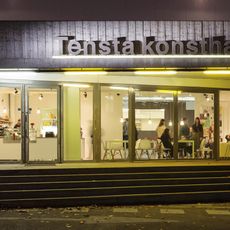
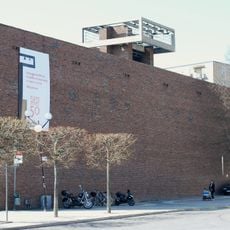
Although Tensta is often thought of as just a housing area, it is home to the Tensta Konsthall, one of Stockholm's few contemporary art centers that deliberately reaches out to a local audience that rarely travels to the city center. The gallery regularly shows work by artists connected to migration and to the histories of places like Tensta itself.
The community of curious travelers
AroundUs brings together thousands of curated places, local tips, and hidden gems, enriched daily by 90,884 contributors worldwide.