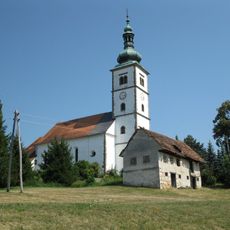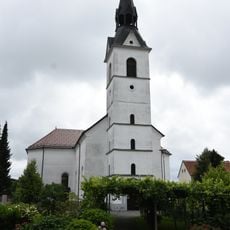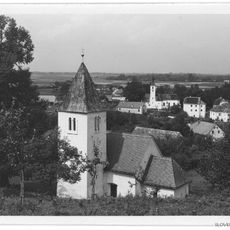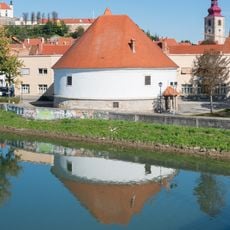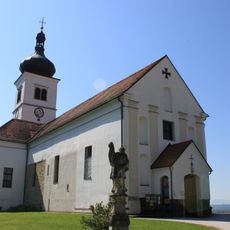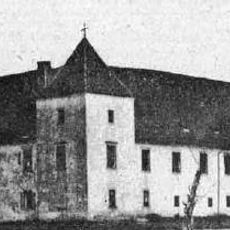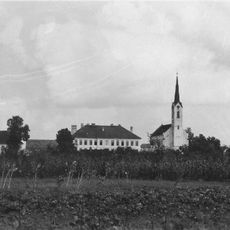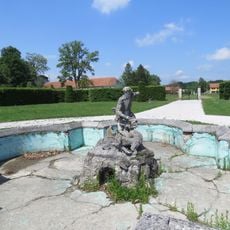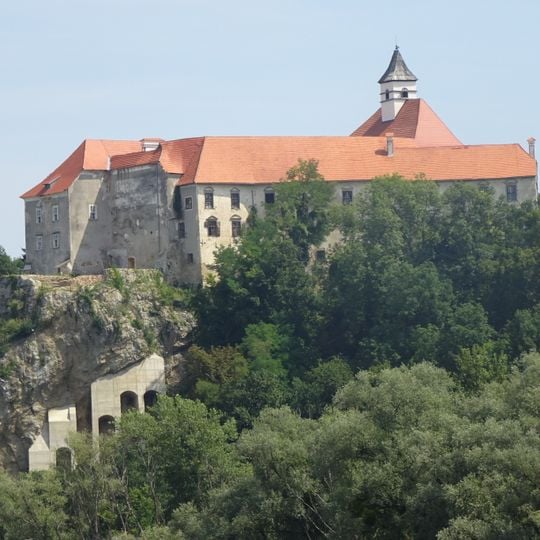
Borl Castle, Medieval castle in Cirkulane, Slovenia.
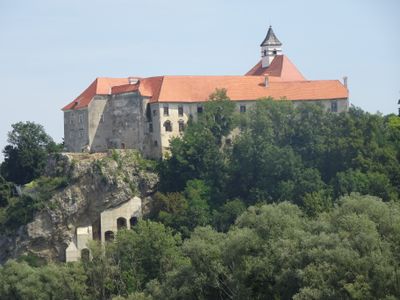
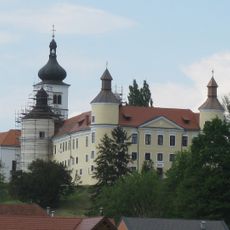
Borl sits on a limestone cliff above the Drava River and combines medieval, Renaissance, and Baroque features in its design. The building rises in multiple levels, showing a mix of different construction phases in its walls and architectural details.
First mentioned in 1255, when King Béla IV granted it in fief to Frederick of Pettau, the castle passed to the Ptuj lords and, after 1438, to owners including the Schaunberg counts, the Szekely barons (1494–1595) and the Sauer counts (1639–1801). The Peace of Bratislava of 1337 traded it to Hungary. From 1941 to 1943 the Gestapo ran a prison in the castle and its former stables; a memorial room and plaque followed in 1956.
The castle displays preserved wall paintings, sculptures, and furnishings that reflect how Slovenian nobility valued art across different periods. These works continue to shape the interior character of the building today.
The site is easy to miss from above since it sits on an elevated cliff, so take time to view it from different angles. A memorial room inside documents the location's wartime history.
The tower forming the castle's base has a stone wall twelve metres thick, the thickest castle wall in this part of Europe. The inner arcaded courtyard holds a Baroque cistern cut into the rock. A legend claims a tunnel runs under the Drava to Muretinci Castle, but it has never been found.
The community of curious travelers
AroundUs brings together thousands of curated places, local tips, and hidden gems, enriched daily by 93,463 contributors worldwide.