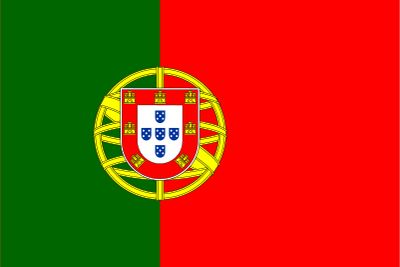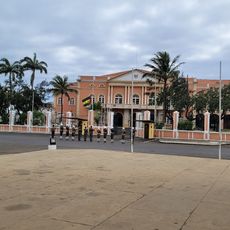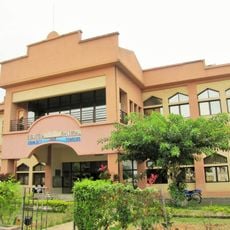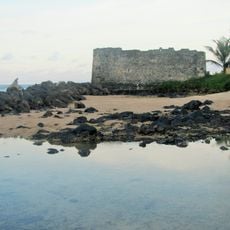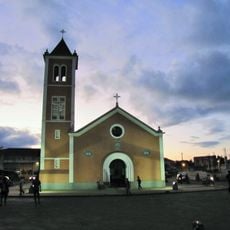
Portuguese São Tomé and Príncipe, Portuguese colony in Gulf of Guinea, Africa.
Portuguese São Tomé and Príncipe was an island territory in the Gulf of Guinea consisting of two main inhabited islands about 150 kilometers apart. The islands were known for large-scale sugar production starting in the 16th century, followed by extensive coffee and cocoa plantations that became the economic mainstay.
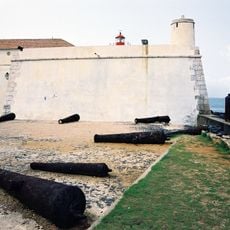
Portuguese explorers found these uninhabited islands in 1470 and settled them with convicts and Jewish children sent from Portugal. The territory gradually transformed from a penal colony into a prosperous plantation-based island society over the following centuries.
A mixed Afro-Portuguese population developed over time as Portuguese settlers married local African women and built communities together. This society created its own traditions and took on significant roles in local governance and daily island life.
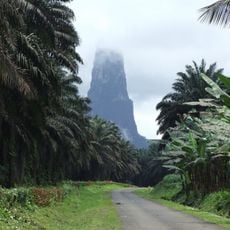
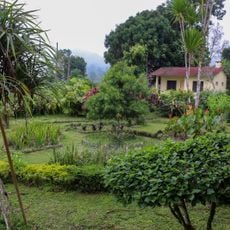
The islands had volcanic soil that was well-suited for agricultural production and supported different crops at different periods. The territory sits in tropical equatorial waters off Central Africa, which meant the climate significantly shaped living and working conditions throughout its history.
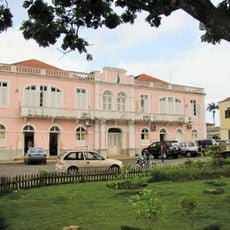
The territory moved its capital three times during the colonial period, shifting from São Tomé to Santo António and back again to São Tomé until independence. These relocations show how administrative and economic priorities shifted across different eras of colonial rule.
The community of curious travelers
AroundUs brings together thousands of curated places, local tips, and hidden gems, enriched daily by 90,906 contributors worldwide.