Dibsi Faraj, Archaeological tell in Aleppo Governorate, Syria
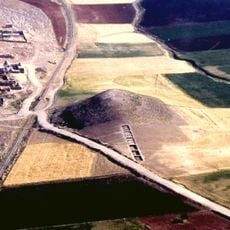
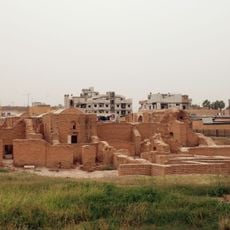
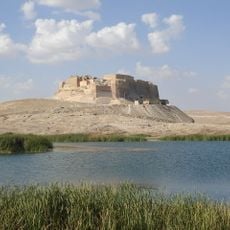
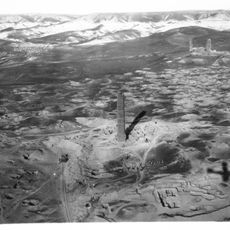
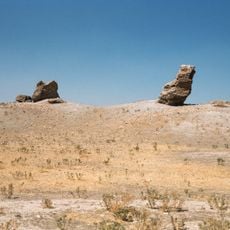
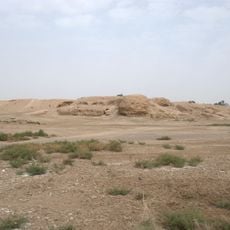
Dibsi Faraj is an archaeological tell in Aleppo Governorate that covers a large area with remains of a multi-layered settlement spanning different historical periods. Excavations revealed residential areas, defensive walls, and significant public buildings that show how the settlement was organized.
The settlement functioned as an urban center during Roman and Byzantine times and remained important through the early Islamic period. Archaeological teams from American institutions documented the site's layers during investigations in the early 1970s.
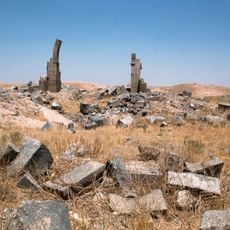
The ruins reveal traces of a settled community that worshipped, bathed, and organized itself through both religious and administrative spaces that shaped how people lived together across centuries.
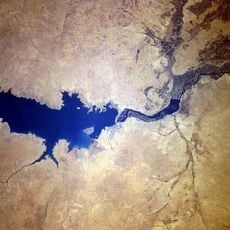
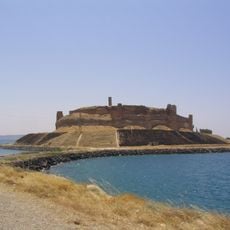
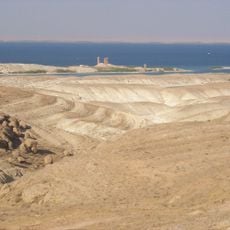
The site now lies submerged beneath Lake Assad, created when the Tabqa Dam was built, making a physical visit to the remains impossible. Visitors interested in learning about the settlement can find information in museums and academic publications that document the excavation findings.
The settlement was known by different names depending on which power controlled it: Athis in the early Roman period, Neocaesarea in Byzantine times, and Qasrin during early Islamic rule. These name changes trace the shifting cultural and political influences that shaped life at the site.
The community of curious travelers
AroundUs brings together thousands of curated places, local tips, and hidden gems, enriched daily by 91,982 contributors worldwide.