Phrygia, Historical kingdom in central Anatolia, Turkey
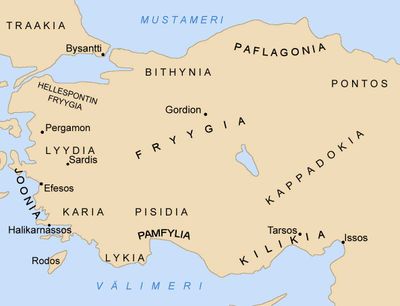
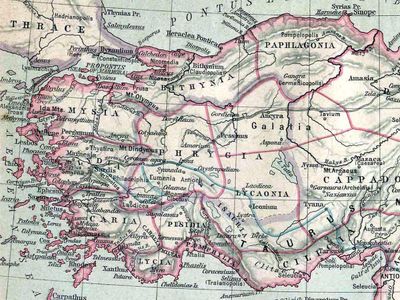
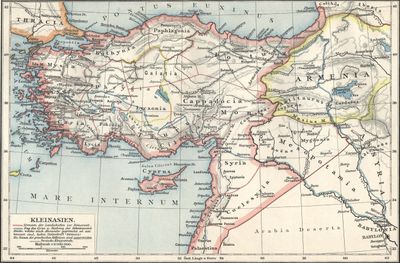
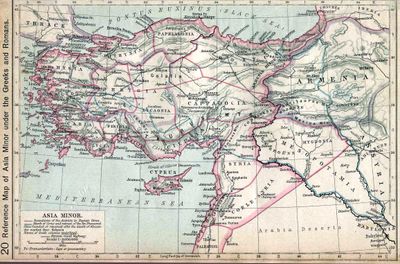
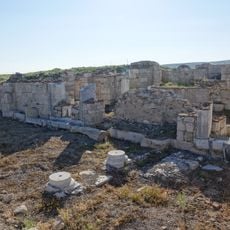
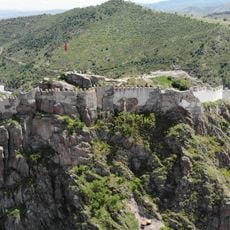
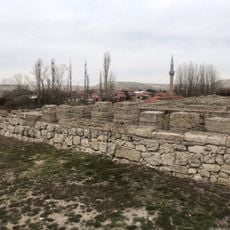
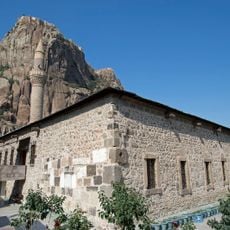
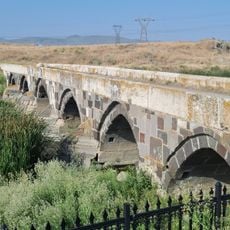
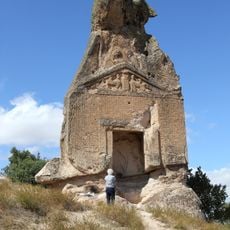
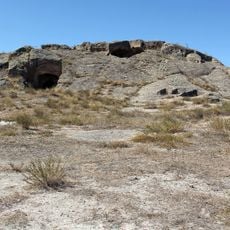
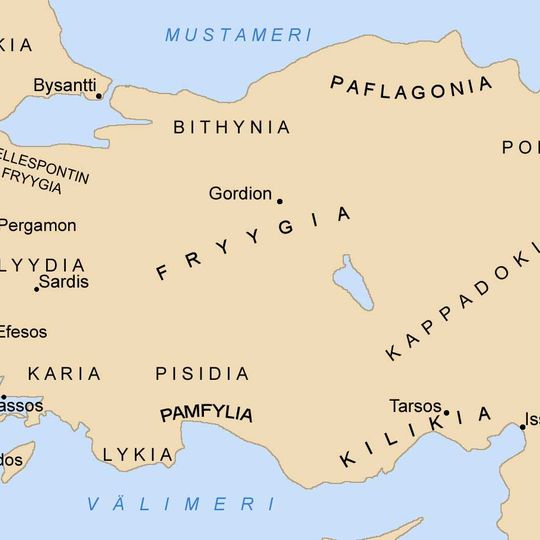
Phrygia was an ancient kingdom on the Anatolian plateau, situated between the modern cities of Afyon, Eskişehir, and Ankara, with its heart along the Sangarios River. The territory covers a broad highland plain in west-central Anatolia and includes several archaeological sites from that era.
The Phrygian kingdom lasted from the 12th to the 7th century BC and reached its greatest extent under King Midas in the 8th century BC. In 675 BC, invasions by the Cimmerians from the north brought the kingdom down and ended Phrygian rule in the region.
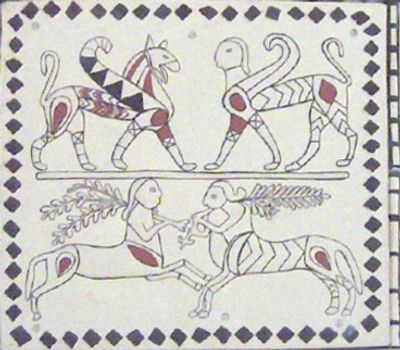
The Phrygians developed advanced metalwork, woodcarving, and embroidery skills, producing high-quality carpets and wool products sought after by Greek centers.
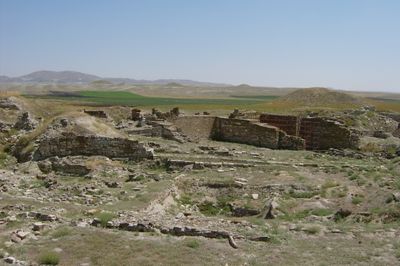
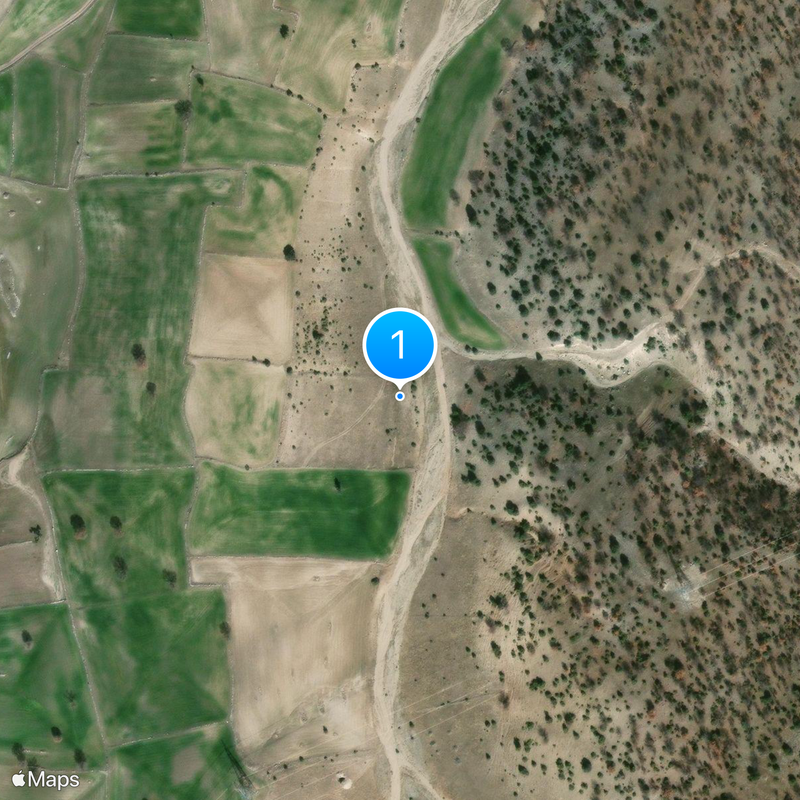
The main archaeological site at Gordion sits about 100 kilometers (62 miles) southwest of Ankara and displays remains of the former capital, including stone tombs and shrines. Many finds from the excavations are now kept in the Museum of Anatolian Civilizations in Ankara, which opens regularly throughout the week.
The burial mound of Midas measures 53 meters (174 feet) in height and 300 meters (984 feet) in width, making it one of the largest surviving tumuli from antiquity. Inside the chamber, archaeologists found elaborately decorated wooden furniture and bronze vessels that testify to the wealth of Phrygian rulers.
The community of curious travelers
AroundUs brings together thousands of curated places, local tips, and hidden gems, enriched daily by 92,430 contributors worldwide.