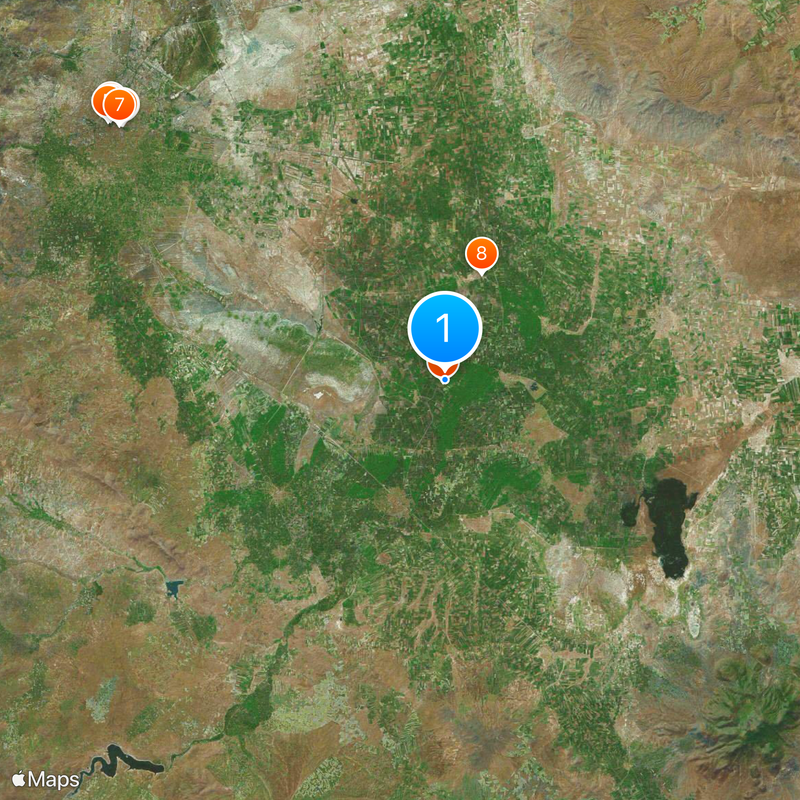
Çatalhöyük, Neolithic archaeological site in Konya Province, Turkey.
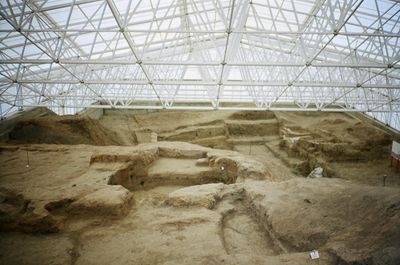
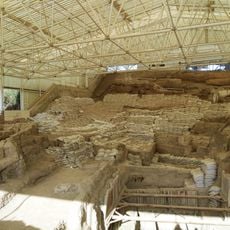
Çatalhöyük is a prehistoric Neolithic settlement in Konya Province, consisting of densely packed mud-brick houses built directly adjacent to each other. The buildings were accessed through openings in their roofs rather than street-level doors, creating a honeycomb-like layout without streets.
The settlement emerged around 7500 BCE and remained inhabited until 5700 BCE, representing one of the earliest examples of agricultural communities in human history. People here began cultivating grains and domesticating animals, marking an important transition from nomadic to settled life.
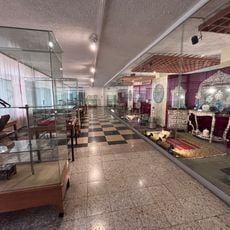
The inhabitants created detailed wall paintings and female figurines inside their homes, demonstrating advanced artistic capabilities during the Neolithic period. These objects are now visible in museums and partly as reconstructions on site, offering insight into early religious or ritual practices.
Visitors can access the excavated areas and observe the reconstructed dwellings through elevated walkways that protect the archaeological remains. The site is partially covered, providing shade in hot weather, and the paths are generally suitable for most visitors to navigate.
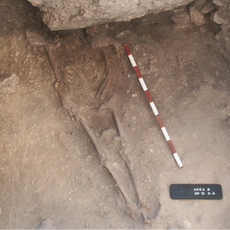
Each house contained designated areas for specific activities, with inhabitants burying their dead beneath the floors of their living spaces. This practice shows a close connection between the living and their ancestors in the daily life of the community.
The community of curious travelers
AroundUs brings together thousands of curated places, local tips, and hidden gems, enriched daily by 90,871 contributors worldwide.