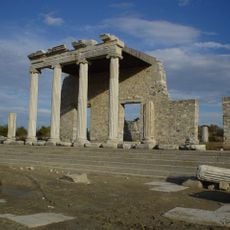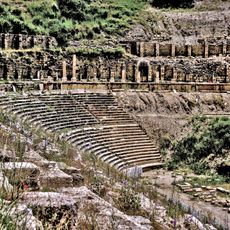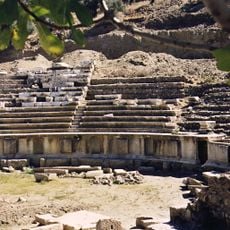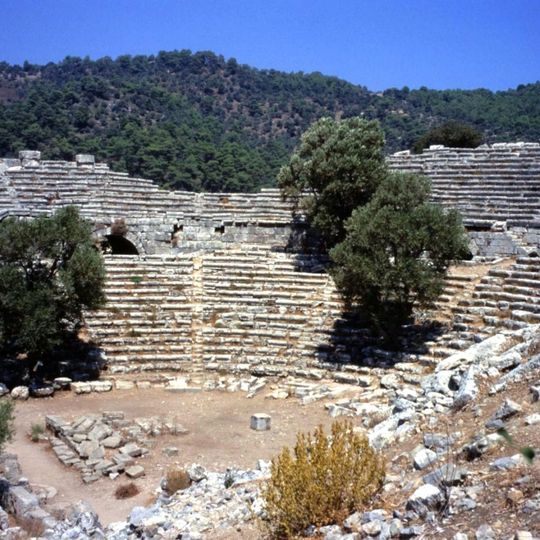
Caria, Historical region in southwestern Anatolia, Turkey
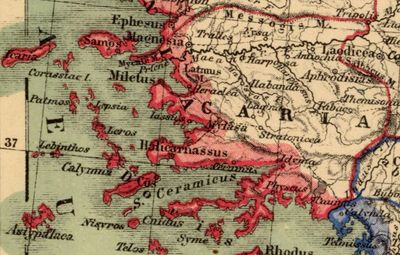
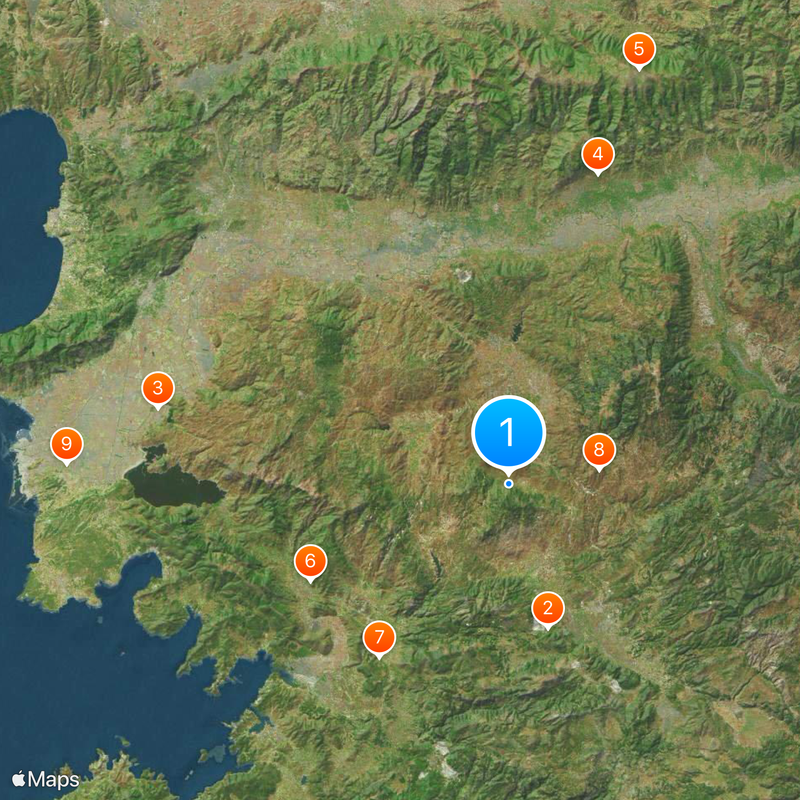
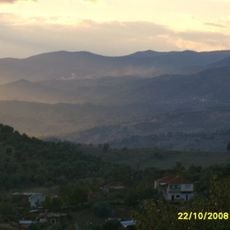
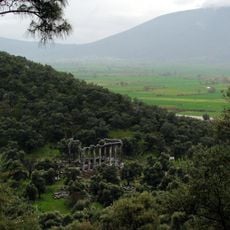
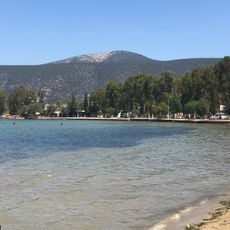
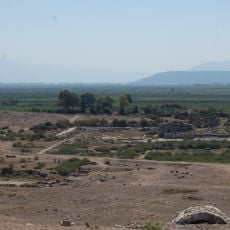
Caria is a historical region in southwestern Anatolia, Turkey, stretching along the Aegean coast from the Bodrum Peninsula to the mouth of the Meander River. The landscape alternates between rugged mountains, narrow coastal bays, and wide valleys where olive groves and pine forests grow.
The territory developed between the eighth and seventh centuries BCE as a distinct entity with cities like Halicarnassus and Mylasa as centers. After conquest by the Persians in the sixth century BCE, the area remained under shifting rule until it eventually became part of the Roman Empire.
Inhabitants called themselves after their legendary ancestor Kar and kept their own language despite Greek influence, until it gradually disappeared in the third century BCE. The territory was known for its seafarers and mercenaries who served across the Mediterranean.
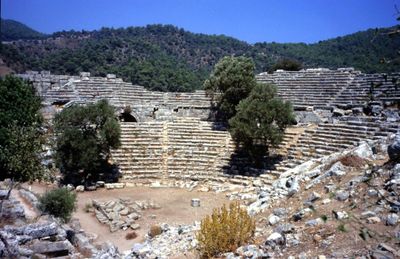
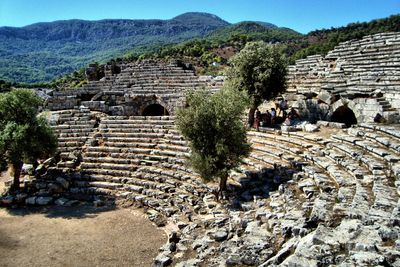
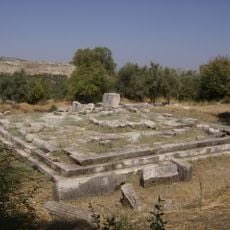
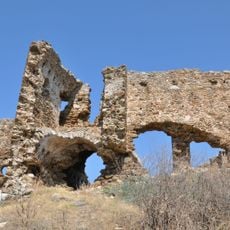
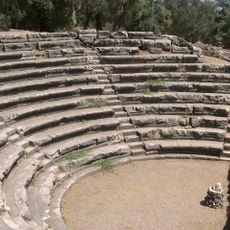
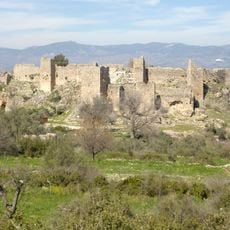
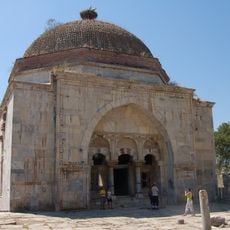
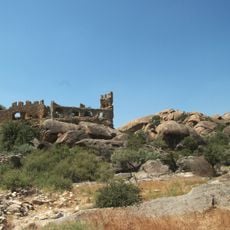
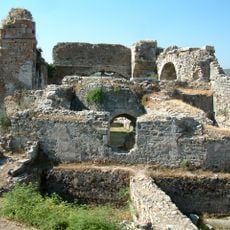
Many remains lie inland between the coastal towns of Bodrum and Fethiye, reachable via winding mountain roads with viewpoints over the sea. In summer, the temple sites can become very hot, so visiting in the early morning or late afternoon is advisable.
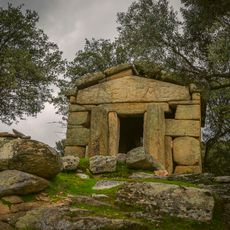
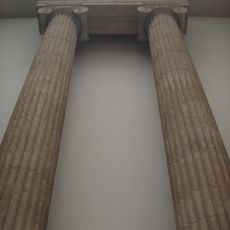
Some rock-cut tombs near the town of Dalyan can only be reached by boat and were carved directly into steep cliffs above the river. These monumental facades show Ionic columns and triangular pediments still visible today from the water.
The community of curious travelers
AroundUs brings together thousands of curated places, local tips, and hidden gems, enriched daily by 91,685 contributors worldwide.