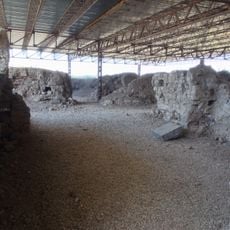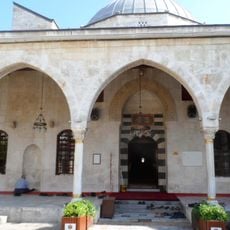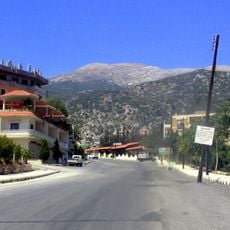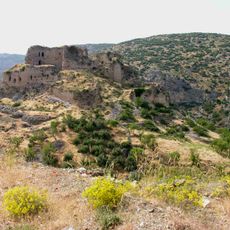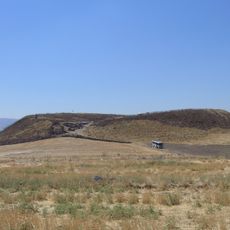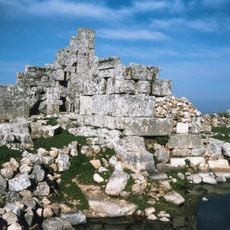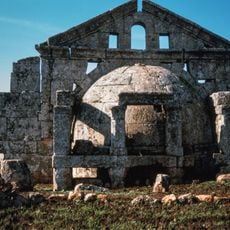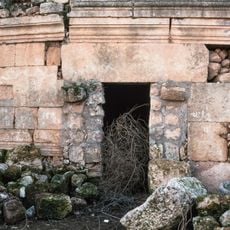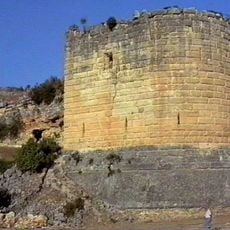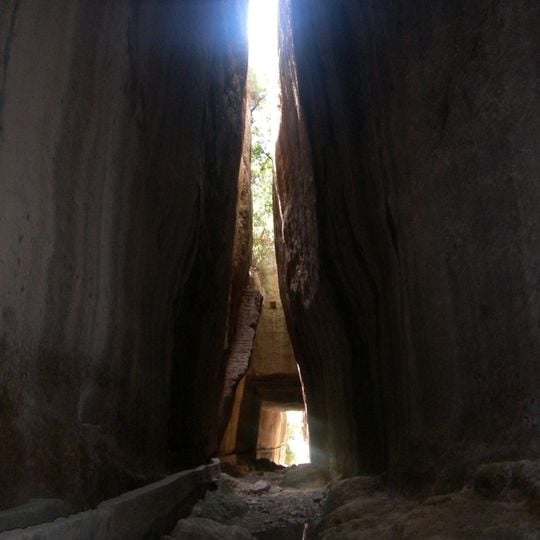
Vespasian Titus Tunnel, Roman water tunnel in Hatay Province, Turkey.
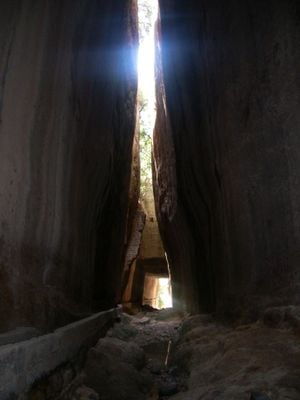
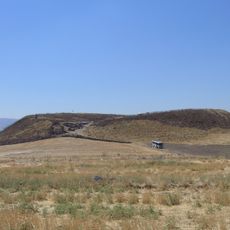
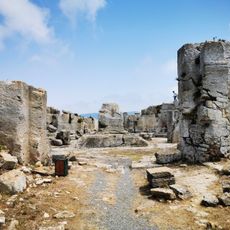
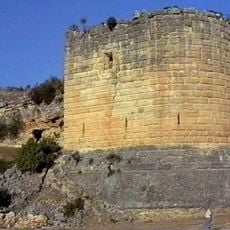
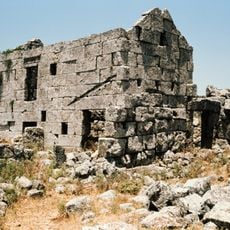
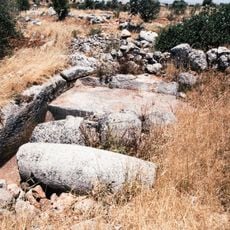
The Vespasian Titus Tunnel is a Roman water tunnel stretching roughly 1.5 kilometers through solid rock, constructed with large stone blocks fitted together without mortar. The system includes multiple sections with a dam, approach channels, and discharge paths that direct water from the mountains.
Construction began under Emperor Vespasian in the 1st century AD and continued through later reigns before completion under Emperor Antoninus Pius in the 2nd century. This extended building campaign demonstrates Rome's sustained commitment to managing water resources in the eastern provinces.
Inscriptions carved into the rock walls display the names of emperors involved in overseeing this water project across generations. These marks offer visitors a tangible connection to how Romans left their imprint on the landscape.
Access to the tunnel involves walking through uneven surfaces and narrow passages, so visitors should wear sturdy footwear and bring a flashlight. Visiting during dry weather is advisable to avoid slippery conditions inside the passages.
This water system served the dual purpose of protecting the ancient harbor of Seleucia Pieria from mountain floods while also supplying water to nearby settlements. This combination of flood defense and water supply in a single project was rarely attempted by Roman engineers elsewhere.
The community of curious travelers
AroundUs brings together thousands of curated places, local tips, and hidden gems, enriched daily by 90,904 contributors worldwide.