Cape Santiago, Coastal promontory in Gongliao District, Taiwan
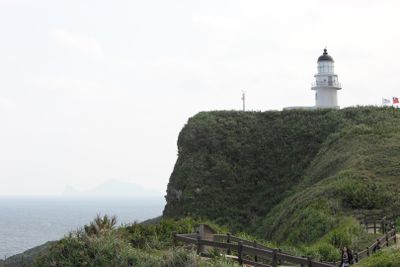
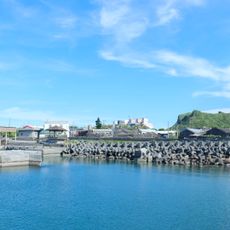
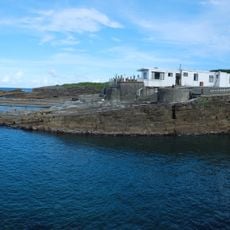
Cape Santiago is a coastal promontory at Taiwan's northeastern tip with steep cliffs and dramatic rock formations jutting into the Pacific Ocean. The terrain features weathered stone walls, natural sea caves, and jagged outcrops shaped by centuries of wave erosion and wind exposure.
Spanish navigators arrived at this location in 1626 and named the nearby settlement Santiago, a designation that eventually extended to the entire cape. This early European presence left a lasting mark on local naming conventions despite the settlement itself not enduring long-term.
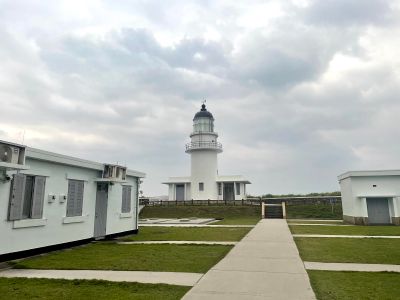
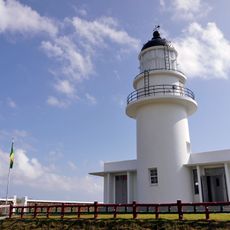
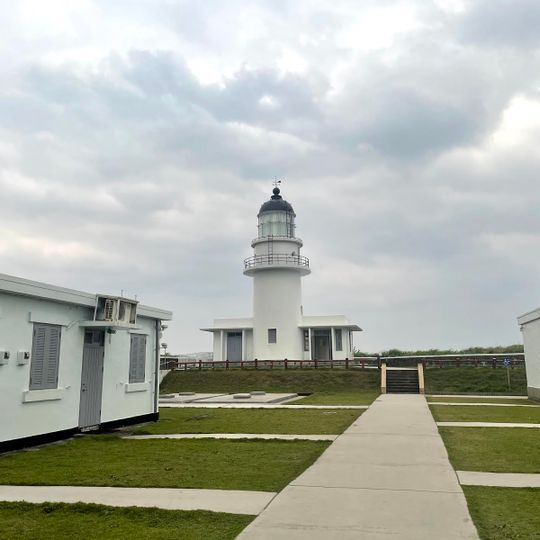
The cape maintains a maritime connection through its 1931 lighthouse, which guides vessels along the northeastern Taiwan coast.
A lighthouse at the cape welcomes visitors and provides views across the coastline. Regular bus services connect the location to Taipei Main Station and Fulong Station for convenient access.
The lighthouse uses a second-order Fresnel lens that projects white light signals visible from far out at sea to guide passing vessels. This optical technology from 1931 still operates daily, making it one of the oldest functioning aids to navigation on Taiwan's coast.
The community of curious travelers
AroundUs brings together thousands of curated places, local tips, and hidden gems, enriched daily by 60,000 contributors worldwide.