History of Mariupol, grafveld in Oekraïne
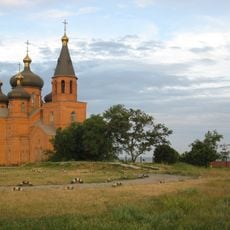
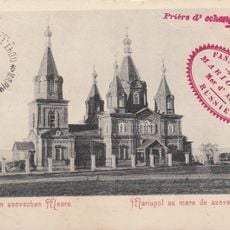
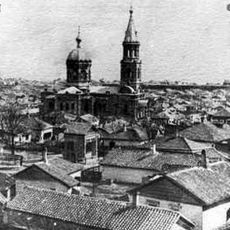
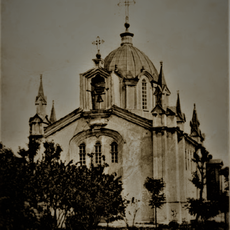
The history of Mariupol refers to the historical development of a port city in southeastern Ukraine, founded in the 18th century and gradually shaped into a major industrial center. The city sits on the Sea of Azov and its layout reflects layers from different periods, from its colonial origins to the Soviet era.
In 1778, Greek refugees established the city as a trading port on the Sea of Azov after relocating from Crimea. The arrival of heavy industry in the 19th century then turned this port town into one of the main industrial centers of the region.
The name Mariupol traces back to the Greek community that founded the city, and this origin is still felt in street names and local traditions today. Some neighborhoods carry traces of the Greek settlement culture, visible in architecture and local customs.
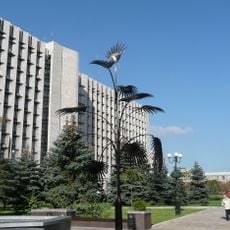
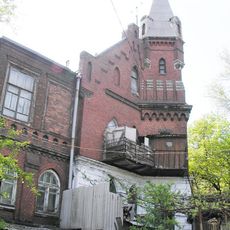
Different neighborhoods reveal distinct phases of the city's growth, from older residential areas to industrial zones built in later periods. Taking time to walk between these areas helps visitors notice the shifts in building styles and street layout.
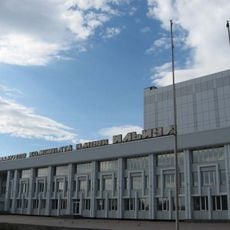
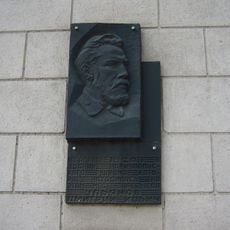
During the Soviet era, the city was renamed Zhdanov after a Communist Party leader, and carried that name for several decades before reverting to its original form after the fall of the Soviet Union. This means that generations of residents grew up knowing their city under a completely different name.
The community of curious travelers
AroundUs brings together thousands of curated places, local tips, and hidden gems, enriched daily by 92,182 contributors worldwide.