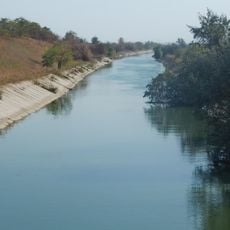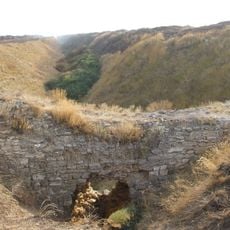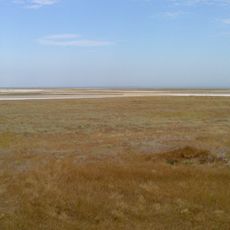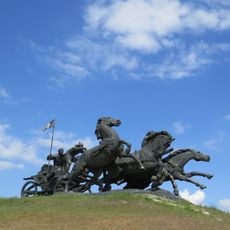
Askania-Nova, Biosphere reserve in Kherson Oblast, Ukraine
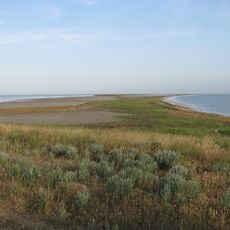
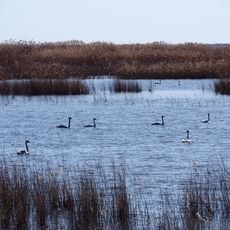
Askania-Nova is a biosphere reserve in Kherson Oblast, Ukraine, covering more than 33,000 hectares of undisturbed steppe. The area includes research stations, an arboretum, and wide grasslands where native and introduced animal species roam freely.
In 1828 Nicholas I sold the land to Duke Ferdinand Friedrich of Anhalt-Köthen, who founded a sheep-breeding colony; in 1841 he named it Askania-Nova after his family estate. The Falz-Fein family bought it in 1856, and Friedrich Falz-Fein opened a zoo in 1874 and a botanical garden in 1887. In 1898 he declared a protected virgin steppe, inspired by botanist Josyp Pachosky. In 1919 it became a people's reserve, and in 1921 a state steppe reserve.
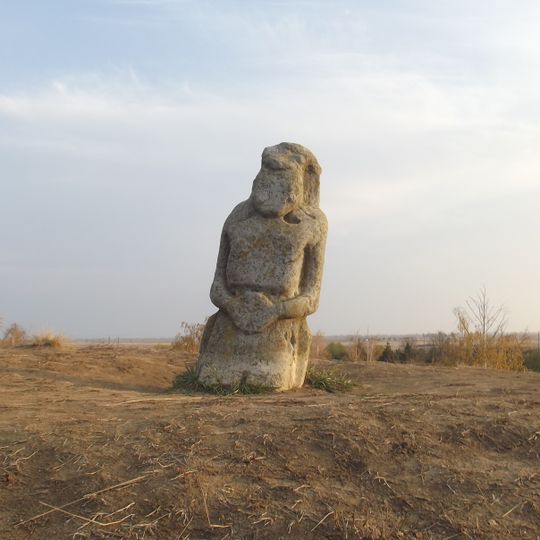
The name comes from Duke Ferdinand Friedrich of Anhalt-Köthen, who in 1841 called the steppe after his family estate of Ascania in Germany. The reserve's 1920s name, Chapeli, derives from the Ukrainian word for a steppe hollow, still used for the Great Chapelsky Pid. Visitors can see the stone balbals of 11th–13th-century nomads found on the site.
The reserve is best visited during the warmer months when the steppe is in bloom and animals are active. Guests should wear sturdy footwear as paths cross open terrain and can be uneven.
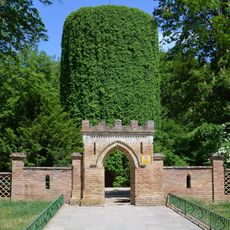
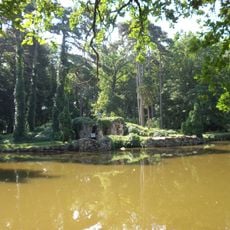
The arboretum holds over 1,000 species of woody plants, even though the steppe is naturally treeless. This artificial collection shows how different plants from Europe, Asia, and America can grow in this dry landscape.
The community of curious travelers
AroundUs brings together thousands of curated places, local tips, and hidden gems, enriched daily by 93,470 contributors worldwide.