Hebrides, Archipelago off western Scotland.
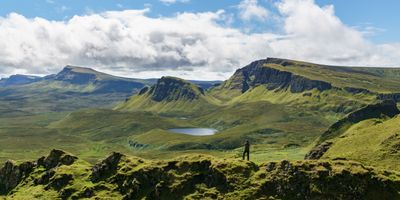
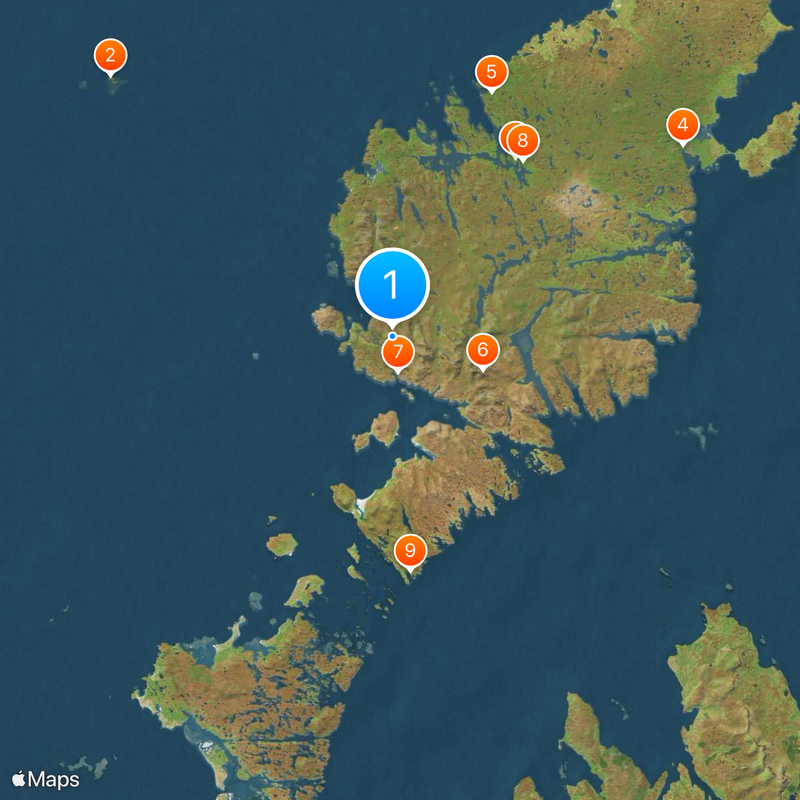
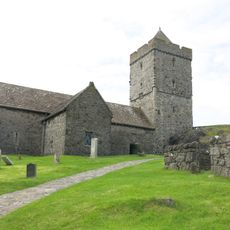
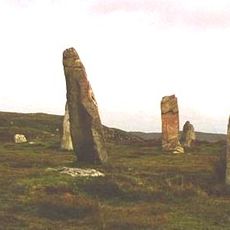
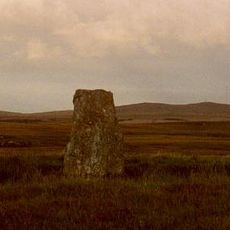
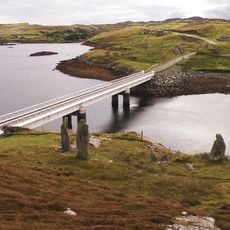
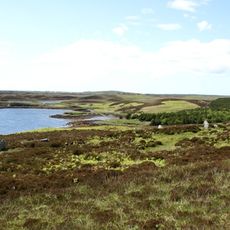
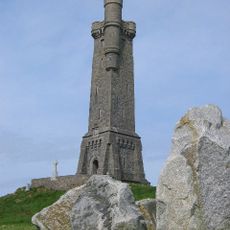
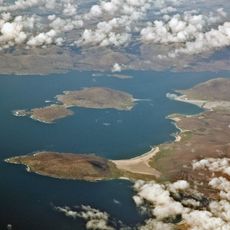
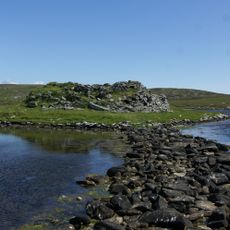
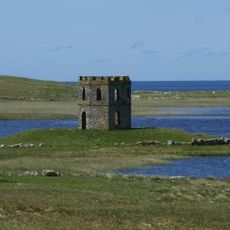
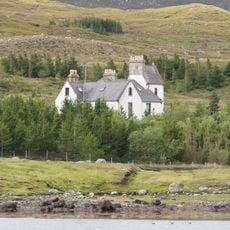
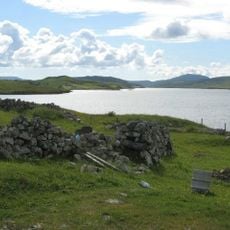
The Hebrides are an archipelago off the western coast of Scotland, split into the Inner and Outer Hebrides by the waters of the Minch and the Sea of the Hebrides. The largest inhabited islands include Lewis and Harris, Skye, Mull and Islay, each shaped by open moorland, rocky shorelines and wide sandy beaches.
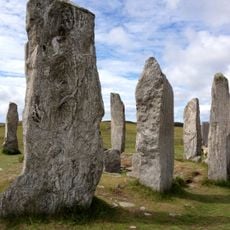
Norse settlers arrived on these islands in the 8th century and left their mark on place names, building traditions and local speech. Scottish rule returned in the 13th century, when a treaty ended Norwegian control over the islands.
Gaelic is still spoken daily in the western islands and appears on road signs and in radio broadcasts. In weaving workshops on the Outer Hebrides, Harris Tweed is made by hand on looms, while distilleries on Islay produce whiskies with a strong peaty character that sets them apart from most others in Scotland.
Ferries run throughout the year between the islands and the Scottish mainland, with Oban, Mallaig and Ullapool as the main departure points. Crossings depend on weather conditions, so flexible planning helps, particularly in winter when seas can be rough.
Staffa, an uninhabited island, rises from the sea on columns of hexagonal basalt, and Fingal's Cave on its shore inspired Mendelssohn to write his Hebrides Overture after a visit in 1829. The cave was already drawing travelers from across Europe before the overture made it widely known.
The community of curious travelers
AroundUs brings together thousands of curated places, local tips, and hidden gems, enriched daily by 92,543 contributors worldwide.