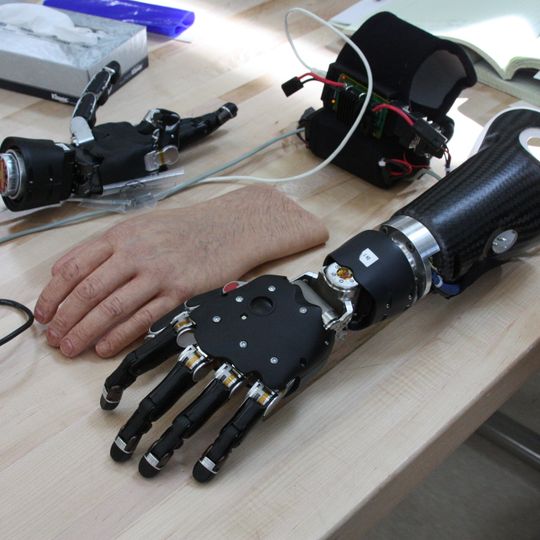
Johns Hopkins University Applied Physics Laboratory, Research laboratory in Laurel, United States
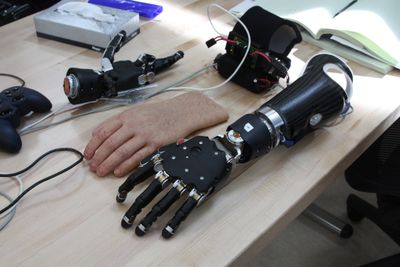
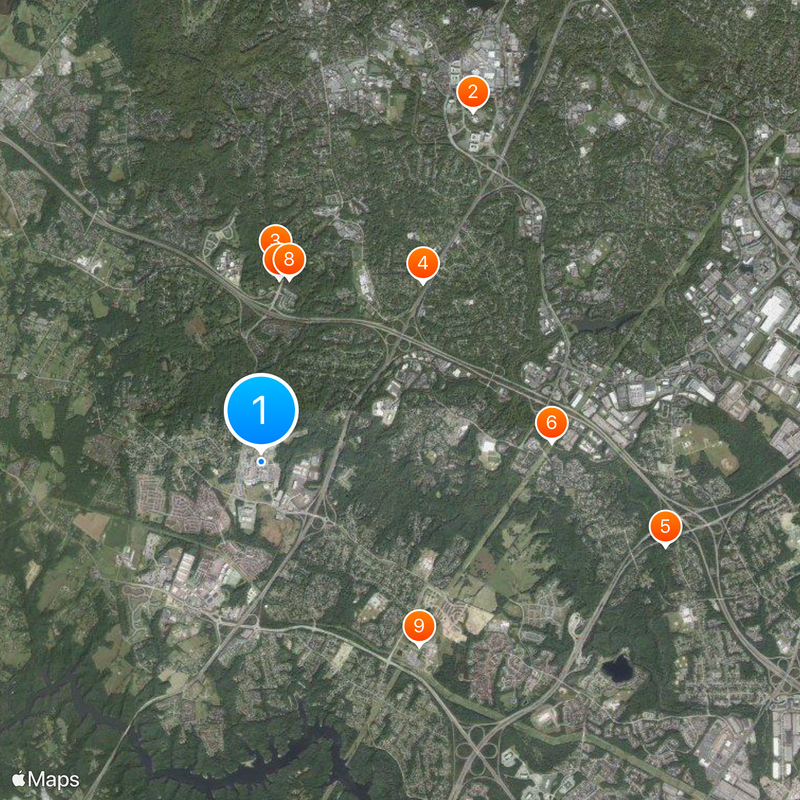
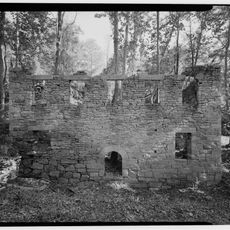
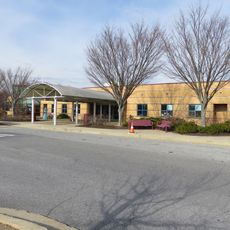
Johns Hopkins University Applied Physics Laboratory is a research center in Laurel with multiple buildings and specialized testing spaces dedicated to scientific and technological development. The facility contains laboratories designed for advanced research in space exploration, defense systems, and cybersecurity among other fields.
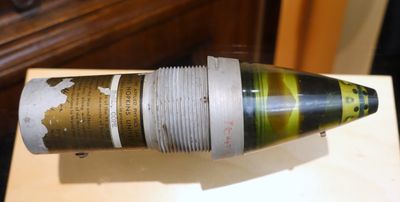
The laboratory was founded in 1942 when it began developing proximity fuses for anti-aircraft defense during World War II. After the war ended, it shifted focus toward space exploration and other emerging fields of technology research.
Thousands of engineers and scientists work within these buildings collaborating on research that shapes national security and space exploration. The diversity of expertise creates an environment where cutting-edge problem-solving happens through everyday interaction between different disciplines.
The facility is a secure location with restricted public access; visits are generally not possible without official authorization. Those interested in learning about the laboratory's work can find information through Johns Hopkins University's official channels or educational outreach programs.
The laboratory directed the New Horizons spacecraft, which captured the first detailed photographs of Pluto in 2015. This accomplishment shows how groundbreaking space missions are managed from a facility most people never see.
The community of curious travelers
AroundUs brings together thousands of curated places, local tips, and hidden gems, enriched daily by 91,653 contributors worldwide.