Jamestown, Colonial settlement certificate in Virginia, US
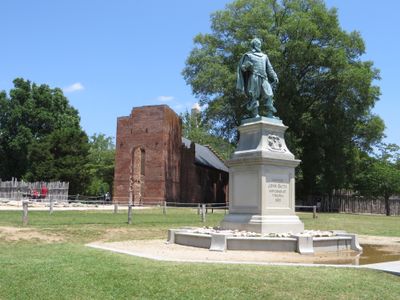
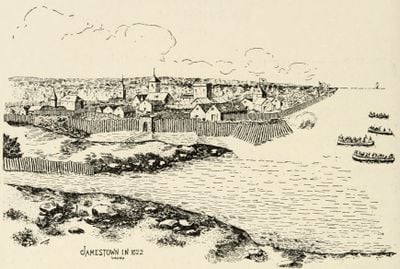
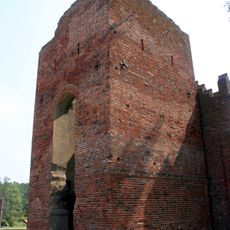
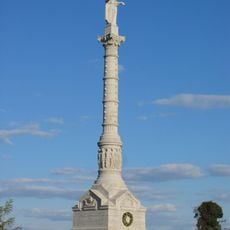
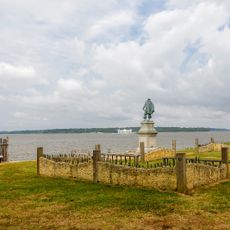
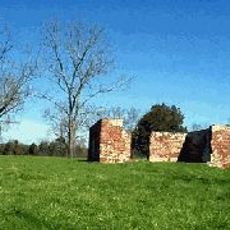
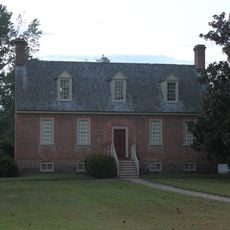
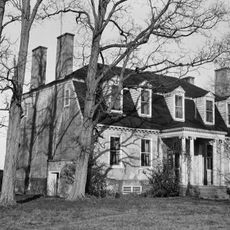
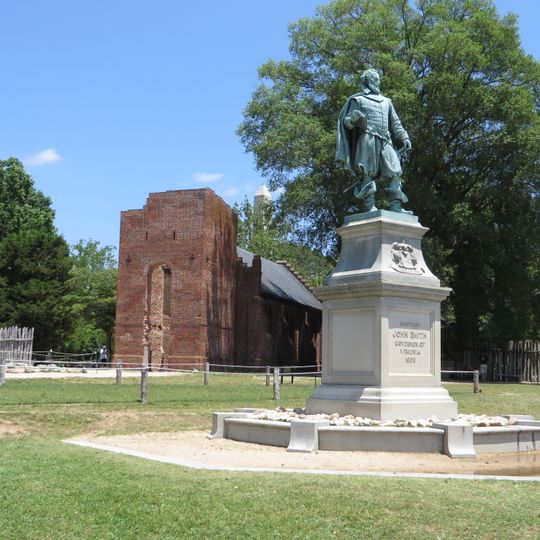
Jamestown is a historic settlement on the James River in Virginia, recognized as the first permanent English community in North America. The site includes reconstructed fort structures, archaeological areas, and museum buildings that document life in the 17th century.
The Virginia Company founded this settlement in 1607 as a commercial venture for resource extraction and trade expansion. Famine, disease, and tensions with the Powhatan marked the early years, but tobacco cultivation later secured the economic survival of the colony.
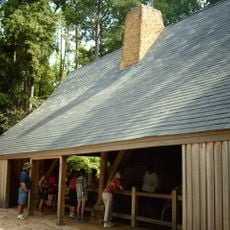
The first English settlers built wooden churches, storehouses, and fortified homes here, establishing a permanent European presence on the North American coast. Their encounters with the Powhatan shaped early colonial life and led to a complex exchange of goods, knowledge, and conflict.
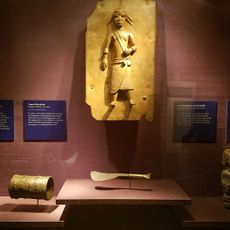
The site offers guided tours through reconstructed buildings, archaeological exhibits, and demonstrations of historical craft techniques that provide insights into settler daily life. Visitors should wear sturdy footwear and plan several hours to explore the expansive grounds.
Archaeologists discovered the remains of a well from 1610 on the site, containing skeletons of settlers who died during the famine period. The excavations also uncovered personal items such as jewelry, tools, and writing instruments that testify to the harsh life of the early years.
The community of curious travelers
AroundUs brings together thousands of curated places, local tips, and hidden gems, enriched daily by 90,827 contributors worldwide.