American Museum of Natural History, Natural history museum in Upper West Side, Manhattan, United States
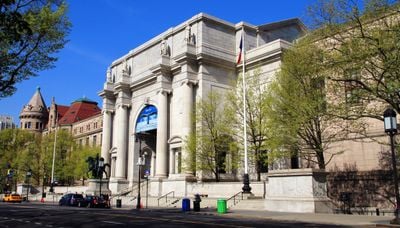
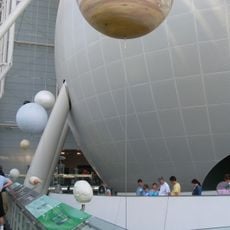
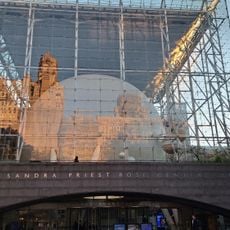
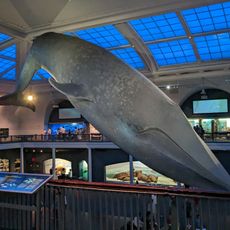
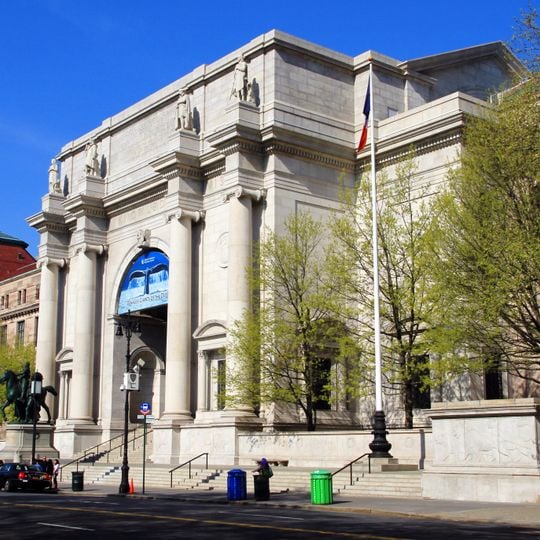
The American Museum of Natural History is a natural history museum on the Upper West Side of Manhattan that spans numerous interconnected buildings. Over 34 million objects sit in the collections, housed across dozens of permanent exhibition halls covering different scientific fields.
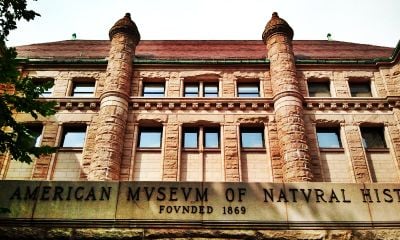
Albert Bickmore proposed a natural history museum for New York in 1861, and the state chartered the American Museum of Natural History on April 6, 1869, with John David Wolfe as first president. It opened in Central Park's Arsenal on May 22, 1871, then moved to its own Calvert Vaux and J. Wrey Mould building in Manhattan Square on December 22, 1877.
Visitors of all ages come here to walk through halls and see displays of nature that range from planets to insects. School groups use the rooms regularly, and on weekends families fill the corridors as they explore the cases together.
The institution opens every day from 10 in the morning until around half past five in the evening, and admission is accessible to all visitors. City residents can show identification and decide how much they wish to pay, which makes the visit more flexible for locals.
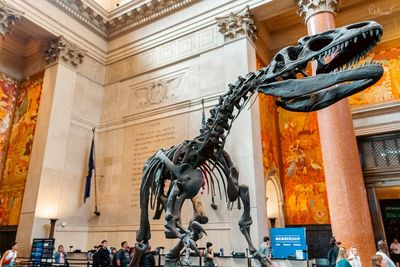
On the fourth floor stand the bones of a Tyrannosaurus Rex and the replica of an Argentine titanosaur, both among the most recognized exhibits. The reptile from Argentina was built so large that its head extends out of the room and greets visitors in the stairwell.
The community of curious travelers
AroundUs brings together thousands of curated places, local tips, and hidden gems, enriched daily by 92,178 contributors worldwide.