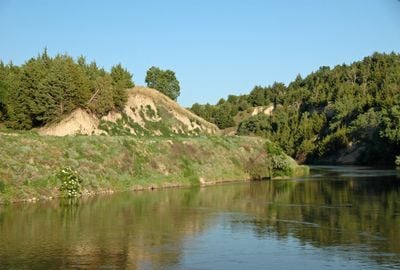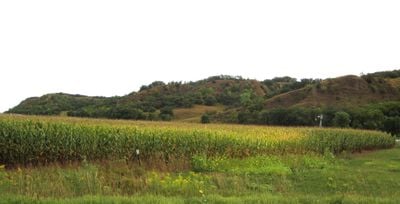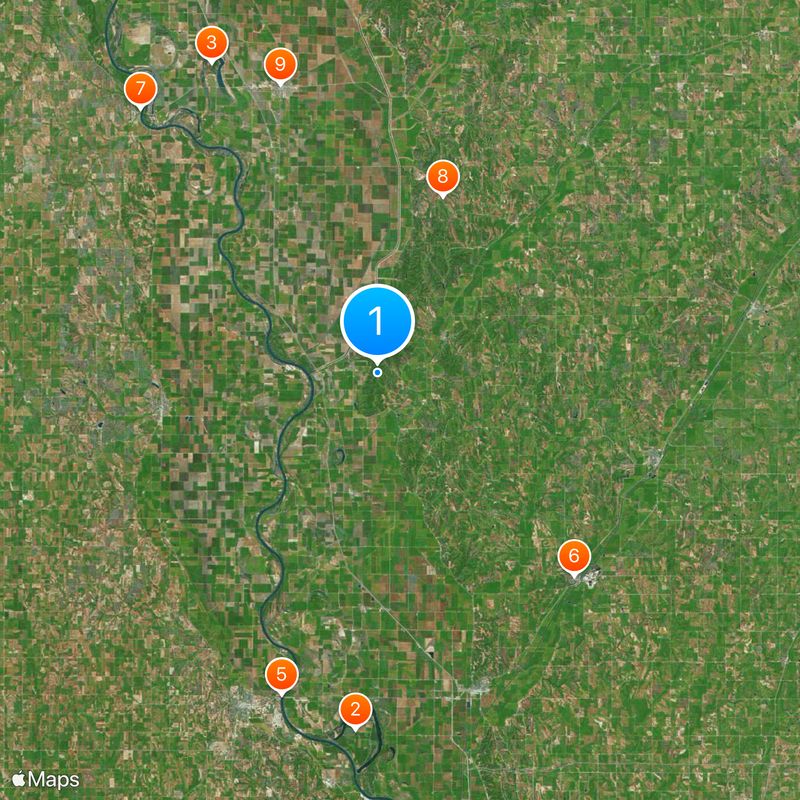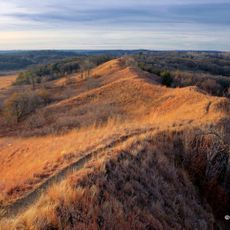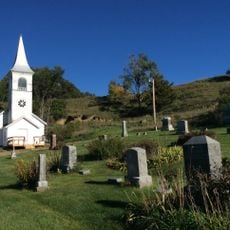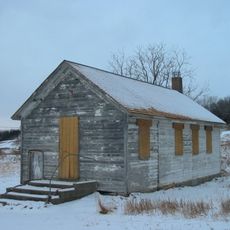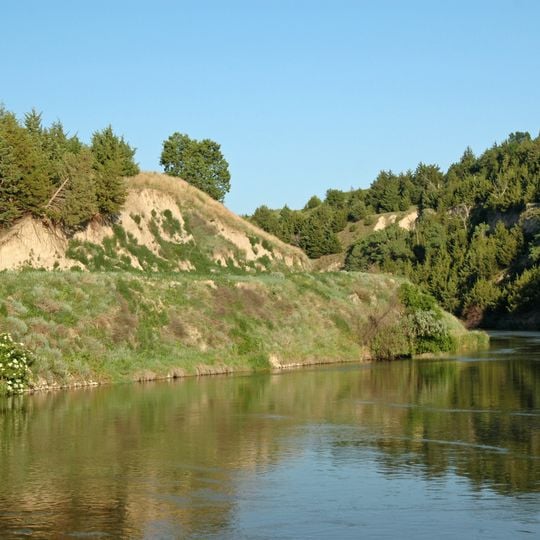
Loess Hills, National Natural Landmark in western Iowa, United States.
The Loess Hills spread along the Missouri River Valley in western Iowa, formed by windblown silt that has accumulated into steep ridges and deep gullies. This landscape creates rolling terrain with striking erosion patterns that shift with the seasons and weather.
Native peoples lived in these hills for thousands of years, leaving behind artifacts and settlement sites that archaeologists still study today. The landscape itself was shaped by ancient wind and water long before human arrival.
Local communities throughout the region have built visitor centers and museums that tell stories about how wind and water shaped these hills. These places help people understand what makes this landscape special and why it matters to the region today.
Multiple trailheads with parking areas give easy access to explore the hills on foot, with routes ranging from short walks to full-day hikes. The terrain can be muddy and steep after rain, so proper footwear and water are important for any outing.
The windblown silt deposits here occur in only one other place on Earth, creating a global significance that most visitors do not realize when they arrive. Understanding this shared geological connection helps visitors grasp just how rare and special this landscape truly is.
The community of curious travelers
AroundUs brings together thousands of curated places, local tips, and hidden gems, enriched daily by 92,535 contributors worldwide.