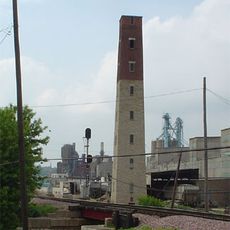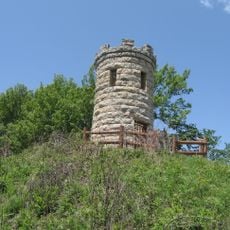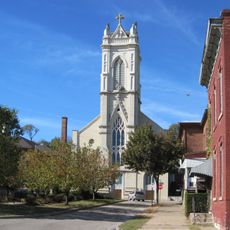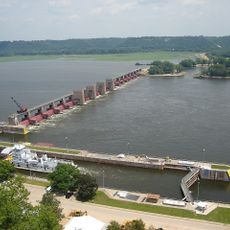
Dubuque, Port city in eastern Iowa, United States.
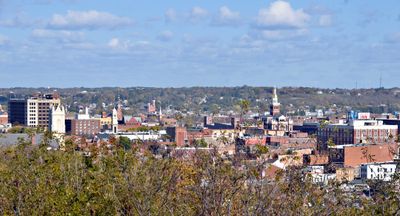
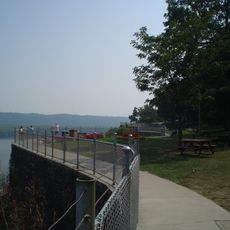
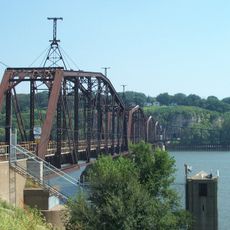
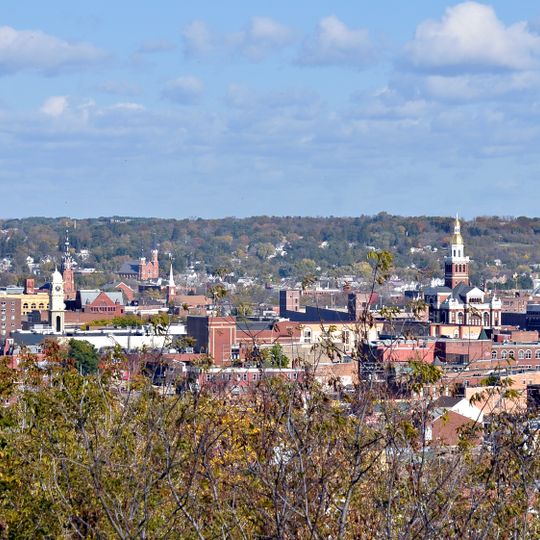
Dubuque is a city along the Mississippi River in eastern Iowa, where streets climb across terraced hillsides and descend toward the waterfront. The layout follows the natural contours of limestone bluffs, creating a mix of steep residential lanes and wider avenues near the river.
Julien Dubuque founded the first European settlement here in 1785 after negotiating lead mining rights with the Mesquakie people. The community expanded rapidly in the 19th century as demand for lead ore attracted more settlers and river traffic increased.
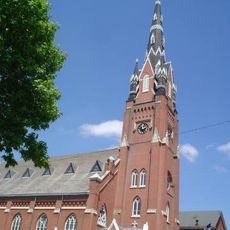
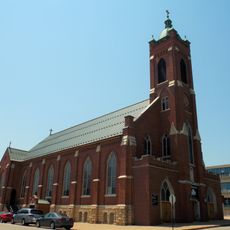
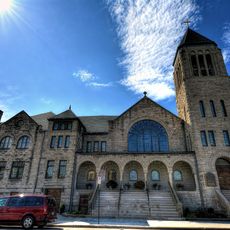
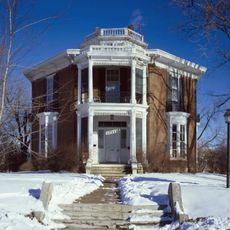
Locals often refer to the area simply as "the Key City," a nickname tied to its role as a gateway for trade and settlement during westward expansion. Many neighborhoods still show traces of the German and Irish communities who built churches, breweries, and homes on the steep hillsides.
The hillside streets are steep in places, so comfortable shoes help when walking between upper and lower neighborhoods. Parking near the river is easier to find than on the bluffs, where spaces are limited during busy weekends.
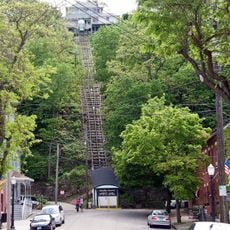
The Fenelon Place Elevator was built in 1882 and is considered the shortest and steepest scenic railway in the world, lifting passengers 57 meters (189 feet) vertically. A local banker originally constructed it to shorten his daily commute between his hilltop home and his office near the river.
The community of curious travelers
AroundUs brings together thousands of curated places, local tips, and hidden gems, enriched daily by 91,318 contributors worldwide.