Tippecanoe River, River system in northern Indiana, United States.
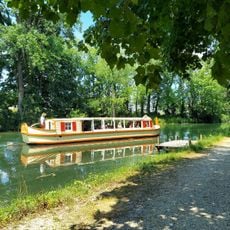
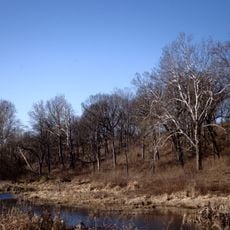
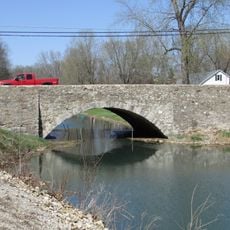
The Tippecanoe River is a river system in northern Indiana that flows for about 166 miles through forests and open fields before joining the Wabash River. Along its course, it passes through and connects to many natural lakes across the region.
The Battle of Tippecanoe took place in 1811 near the river's junction, where General William Henry Harrison defeated Shawnee forces led by The Prophet. This clash marked a turning point in relations between settlers and Native Americans in the area.
The river's name comes from a Miami-Illinois word meaning buffalo fish, showing how indigenous peoples once valued this waterway. Locals still use this name, keeping alive the memory of that ancient connection to the land.
Two hydroelectric dams built in the 1920s have created lakes that provide recreation and power generation for the region. Visitors can boat, fish, and swim in these lakes while exploring the forests and shores that surround them.
The river system shelters a remarkable diversity of freshwater mussels that thrive in its waters and catch the attention of naturalists. Few visitors realize how important these creatures are to the health of the waterway.
The community of curious travelers
AroundUs brings together thousands of curated places, local tips, and hidden gems, enriched daily by 92,528 contributors worldwide.